The Great Debate: Art Toys vs. Craft Kits for Kids – Fostering Creativity or Following Instructions?
In the bustling aisles of toy stores and the endless scroll of online marketplaces, parents and educators are constantly faced with a dilemma: should they buy that colorful box of "art toys" promising unfettered imagination, or the neatly packaged "craft kit" that guarantees a finished product? This question is far from trivial. The choice between art toys and craft kits for children touches on fundamental beliefs about childhood development, the nature of creativity, and the role of structured versus open-ended play. While both categories fall under the broad umbrella of creative activities, they represent two distinct philosophies of learning and expression. This article delves deep into the differences, benefits, and potential drawbacks of art toys versus craft kits, offering a comprehensive guide for anyone looking to nurture a child’s creative spirit.
Defining Art Toys and Craft Kits
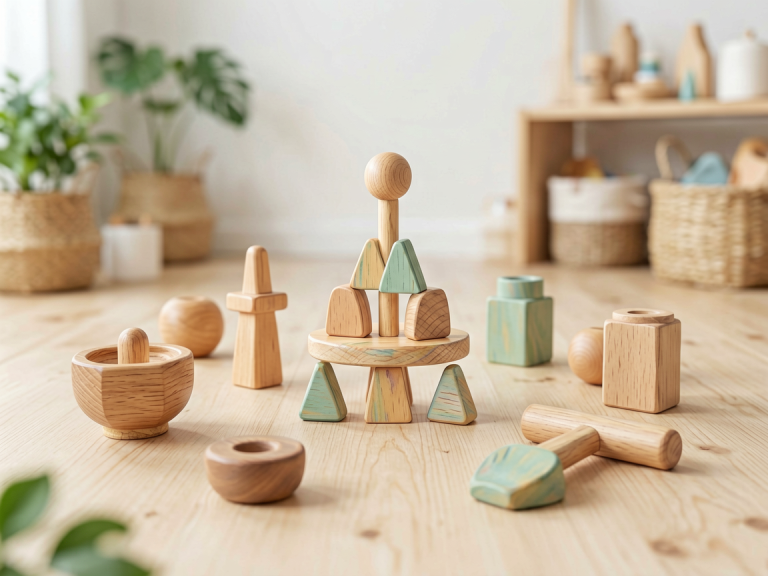
Before we can compare, we must first define our terms. Art toys, in the context of children’s play, refer to materials and tools that are inherently open-ended. They have no predetermined outcome. Classic examples include a set of watercolor paints with blank paper, clay or modeling dough, a box of crayons and sketchbooks, or a collection of loose parts like beads, feathers, and fabric scraps. The child is the director; the final creation is entirely their own. The value lies in the process: the experimentation with color, texture, and form, the trial and error, and the pure joy of making something from nothing.
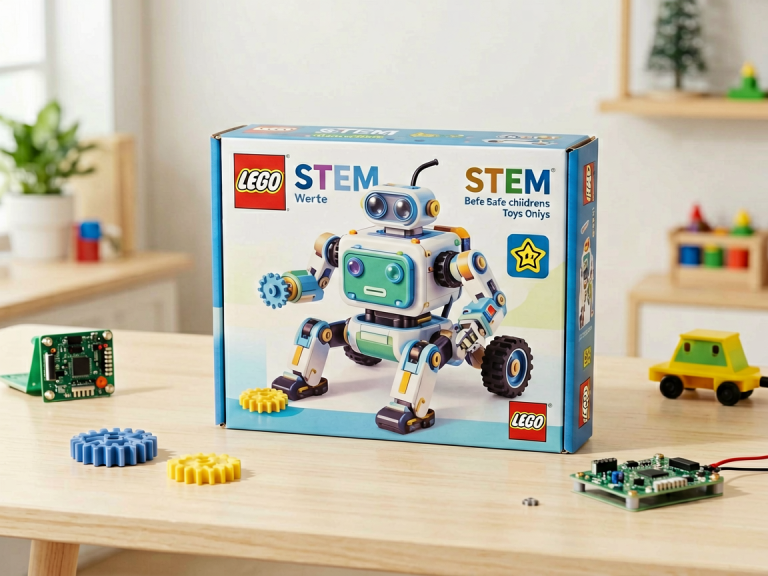
Craft kits, on the other hand, are packaged activities with a specific, often illustrated, end goal. They come with all necessary materials and step-by-step instructions. Examples abound: a friendship bracelet loom kit, a paint-by-numbers set, a wooden birdhouse to assemble and decorate, or a pre-cut felt unicorn sewing kit. The child’s task is to follow instructions, replicate a sample, and achieve a finished piece that looks like the picture on the box. The satisfaction comes from successfully completing a project and seeing a tangible, predictable result.
At first glance, both seem to foster creativity. But the nature of that creativity is fundamentally different. Art toys encourage divergent thinking—the ability to generate many unique solutions to a problem. Craft kits encourage convergent thinking—the ability to follow a path to a single correct answer. Both are valuable, but they cultivate different cognitive muscles.
The Creative Process: Open-Ended vs. Directed
The most critical distinction lies in the creative process itself. With art toys, the child is in full command. There is no "right" way to do it. A child given a lump of clay might build a dinosaur, then squash it into a pancake, then create a bowl, then abandon it entirely to make a snake. The freedom to change course at any moment is central to the experience. This process builds resilience, as the child must cope with their own decisions—the painting that gets muddy, the sculpture that collapses. They learn to adapt, to see "mistakes" as opportunities, and to trust their own instincts. Research in developmental psychology consistently shows that open-ended play fosters executive function skills like self-regulation, planning, and cognitive flexibility.
Craft kits, conversely, present a clear roadmap. The child learns to follow sequential instructions, pay attention to detail, and delay gratification until the project is complete. For many children, especially those who feel anxious about blank pages, a craft kit provides a safe entry point into creative work. The structured approach reduces frustration and offers a sense of accomplishment that might otherwise be elusive. However, the downside is that the child may become overly reliant on external validation ("Did I do it right? Does it look like the picture?") and may not develop the confidence to strike out on their own. The creative challenge is externalized—the challenge is in the kit, not in the child’s own mind.
It is also worth noting that some modern craft kits try to bridge this gap by including "free play" elements or suggesting multiple variations. But at their core, most kits are designed for replicability. The true artistic journey, however, is rarely replicable.
Developmental Benefits: Different Skills for Different Ages
The argument for art toys is especially strong in early childhood, roughly ages two to six. During these years, the brain is rapidly developing neural connections through sensorimotor exploration. Squeezing paint through fingers, mixing colors on a page, and sculpting with playdough are not just fun; they are crucial for fine motor development, hand-eye coordination, and sensory integration. Art toys also support emotional regulation. A child who is angry can slash red paint across a canvas; a child who is calm might paint slow blue strokes. This non-verbal outlet is a powerful tool for self-expression long before a child can articulate complex feelings.
Craft kits, on the other hand, often require skills that younger children have not yet mastered. Cutting on a line, threading a needle, or precisely gluing small pieces can lead to frustration if the child’s motor skills are not ready. However, for older children—say, ages seven and up—craft kits can be excellent for building patience, attention span, and procedural thinking. They also teach practical skills like measuring, sewing, or basic woodworking. The sense of pride in a completed, functional object (e.g., a woven keychain or a painted model) should not be underestimated. It can boost self-esteem and provide a concrete reward for sustained effort.
Moreover, craft kits often have a social component. Siblings or friends can work on identical kits side by side, comparing progress and helping each other. Art toys, by nature, are more solitary and introspective. However, they can also be collaborative—a group mural project or a shared bin of recycled materials can inspire collective creativity. The key is that the social dynamic differs: craft kits encourage cooperation toward a common goal (each person makes their own version of the same thing), while art toys encourage co-creation of something unique.
Practical Considerations: Cost, Mess, and Engagement
From a parent’s perspective, practical factors often tip the balance. Art toys are generally cheaper in the long run. A set of watercolors and a pad of paper can be used for dozens of sessions, and the materials are often consumable in the best sense—they get used up. But they also tend to be messier. Paints spill, clay gets stuck in carpets, and glitter is the herpes of the craft world. Art toys demand that parents embrace a certain level of chaos and invest in an easy-to-clean space.
Craft kits are more contained. The materials are pre-packaged, the mess is generally limited, and the time commitment is often clear (e.g., “45 minutes to complete”). This makes them attractive for travel, rainy days, or situations where parents need a structured activity that can be cleaned up quickly. However, craft kits are often more expensive per use. A single kit might cost ten to twenty dollars and be used only once. Once the project is done, the leftover materials are often too specific for other uses. The novelty wears off quickly, and children may lose interest before finishing.
Another practical consideration is the child’s attention span and personality. Some children thrive on open-ended play; others feel lost without a blueprint. A wise approach is to offer both types of activities and observe which resonates more. A child who loves following recipes in the kitchen might adore a craft kit, while a child who invents elaborate stories with random objects might flourish with art toys. Neither is inherently superior.
The Role of Parents and Educators: Balancing Structure and Freedom
Perhaps the most important insight is that the dichotomy between art toys and craft kits is not a battle to be won, but a balance to be struck. The best creative environment for a child includes a variety of experiences. Parents can use craft kits to teach a specific skill (e.g., how to use a glue gun safely or how to sew a button) and then encourage the child to apply that skill in their own art projects. Similarly, a child who loves painting might enjoy a craft kit that introduces a new technique, like watercolor resist or paper marbling.
Educators have a particular responsibility here. In school settings, the pressure for measurable outcomes often favors craft kits—every child produces a similar product that can be displayed on the bulletin board. But this approach can stifle individuality. Progressive classrooms integrate "choice time" or "maker centers" with art toys, allowing children to self-direct. The key is to frame craft activities not as the end goal but as a springboard for creativity. For instance, after completing a paper lantern kit, the teacher might ask children to personalize their lanterns with their own drawings or to brainstorm new ways to use the leftover materials.
Ultimately, the conversation about art toys versus craft kits should steer clear of absolutism. A child who only ever uses craft kits may become a proficient follower but not a confident creator. A child who only ever uses art toys may struggle with frustration tolerance and project completion. The ideal is a curated mix, where the adult’s role shifts from director to facilitator, offering tools, asking open-ended questions, and celebrating both the process and the product.
Conclusion: Beyond the Box
In the end, the choice between art toys and craft kits is not simply about what to buy—it is about what kind of learning experience we want to offer our children. Art toys say, "You have a unique voice; let it speak." Craft kits say, "Here is a beautiful thing you can make; follow this map." Both messages are valuable, but they are not interchangeable. A childhood enriched by both open-ended and structured creative activities is a childhood that learns to navigate the tension between freedom and discipline, between imagination and execution.
As we walk through the toy store or scroll online, let us not be swayed by bright packaging or marketing slogans. Instead, let us think about the child in front of us. What do they need today? A blank canvas to dream on? Or a blueprint to follow, a puzzle to solve, a finished treasure to hold? The answer will change day by day. And that is exactly as it should be. The true art of parenting—and of teaching—is knowing when to hand over the instructions and when to simply supply the paint.