Roar-some Adventures: The Ultimate Guide to Dinosaur Toys for Preschoolers
Introduction
Every preschooler who loves dinosaurs knows that these prehistoric creatures are more than just big, scaly animals—they are gateways to imagination, learning, and endless play. For parents, caregivers, and educators, finding the perfect toys for a little dinosaur enthusiast can be both exciting and daunting. The market is flooded with options, from plastic figures to interactive puzzles, and each promises to spark curiosity. But what truly makes a great dinosaur toy for a child aged three to five? This guide dives deep into the world of dinosaur-themed play, exploring how these toys support early development, which types are most engaging, and how to choose safe, durable, and educational options. Whether your child wants to reenact a T-Rex chase or build a Jurassic world with blocks, this article will help you make informed decisions that turn playtime into a roaring success.
Why Dinosaur Toys Matter for Preschool Development
Preschoolers are at a critical stage of cognitive, social, and motor skill development. Dinosaur toys, when chosen thoughtfully, offer far more than simple entertainment. They become tools for learning about science, history, and even empathy.
*Cognitive Growth*: Dinosaurs naturally introduce concepts of size, comparison, and classification. A child learning to sort a toy T-Rex from a Stegosaurus is practicing categorization, a key early math skill. When they ask, “Why did dinosaurs go extinct?” they are engaging with cause-and-effect reasoning. Many dinosaur toys come with simplified facts—like a dinosaur’s diet or habitat—that plant seeds for later scientific understanding.
*Language Development*: Preschoolers love learning the long, dramatic names of dinosaurs: “Tyrannosaurus rex,” “Triceratops,” “Brachiosaurus.” Repeating these words builds phonological awareness and vocabulary. Meanwhile, imaginative play with dinosaur figures encourages storytelling: “The Pterodactyl flew over the volcano to save the baby dino!” Such narratives help children construct sentences, use sequencing, and express emotions.
*Motor Skills*: Small plastic dinosaurs are excellent for fine motor practice. Picking up a tiny figure, fitting it into a playset, or pressing a button to make it roar strengthens hand muscles and coordination. Larger ride-on dinosaur toys or dinosaur-themed trampolines improve gross motor skills, balance, and spatial awareness.
*Social and Emotional Learning*: Dinosaurs can be fierce, but in play, children often assign them gentle personalities. A child might say, “My T-Rex is sad because he has no friends,” and then create a solution by adding a friendly Brontosaurus. This type of role-playing builds empathy and problem-solving. Playing with others also teaches sharing, turn-taking, and cooperation—especially with group activities like dinosaur puzzles or collaborative block-building.
*Curiosity and Wonder*: Perhaps most importantly, dinosaur toys ignite a sense of wonder. Preschoolers are naturally curious about the world, and dinosaurs represent a mysterious, vanished era. This fascination can lead to a lifelong love of learning—whether through books, museum visits, or simple backyard fossil hunts.
Types of Dinosaur Toys for Preschoolers
Not all dinosaur toys are created equal. Here is a breakdown of the most popular categories, each serving different developmental purposes.
*Action Figures and Miniature Sets*
The classic plastic dinosaur figure remains a staple. Look for sets with multiple species (herbivores and carnivores), realistic yet child-friendly details, and sizes that fit small hands (about 2–5 inches tall). Brands like Schleich and Papo offer durable, non-toxic figures with soft edges. These are perfect for open-ended imaginative play—building a dino world in a sandbox, on a rug, or inside a cardboard box. Avoid figures with tiny detachable parts (like separate teeth) that could be choking hazards for children under three.
*Puzzles and Matching Games*
Dinosaur puzzles range from simple peg puzzles for two-year-olds to 12–24 piece floor puzzles for five-year-olds. They teach spatial reasoning, patience, and pattern recognition. Some puzzles are double-sided with dinosaur facts on the back, blending play with education. Matching card games with dinosaur images help memory and concentration. For preschoolers, choose puzzles with large, chunky pieces and bright, clear illustrations.
*Playsets and Dioramas*
Playsets elevate dinosaur play by adding context. A volcano playset that “erupts” (with safe, battery-operated smoke or light effects) or a dinosaur habitat with trees, rocks, and water elements encourages narrative building. Many sets include fences, caves, or even a Jurassic Park–style jeep. The best playsets are modular and expandable—children can combine multiple sets to create a sprawling prehistoric landscape. Look for sets made of sturdy plastic or wood, with no sharp edges.
*Educational Kits and STEM Toys*
For slightly older preschoolers (ages 4–5), STEM-oriented dinosaur toys introduce early science concepts. Examples include fossil excavation kits where children use a hammer and brush to “dig” out a plastic skeleton from a plaster block. Others include snap-together dinosaur bones that teach anatomy, or simple coding toys shaped like dinosaurs (e.g., a robotic T-Rex that follows a path). These toys foster patience, fine motor control, and basic engineering thinking. Always supervise excavation kits, as the plaster dust can be messy and the tools may be small.
*Plush Toys and Soft Dinosaurs*
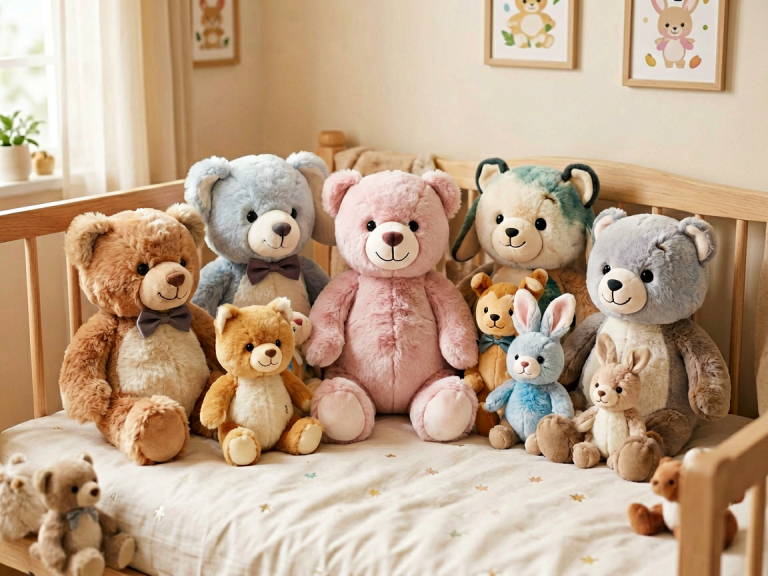
Stuffed dinosaur toys are perfect for comfort and emotional bonding. A soft, cuddly Stegosaurus can be a bedtime companion. Look for plush that is machine-washable, has embroidered eyes (not plastic button eyes), and is filled with hypoallergenic material. Some plush dinosaurs come with sound effects—a gentle roar when squeezed—which adds delight. Avoid anything with long fur or loose fibers that could be ingested.
*Ride-On Toys and Tricycles*
For active toddlers, ride-on dinosaur toys combine movement with fantasy. These are often plastic dinosaurs with wheels, handlebars, and a seat. Children can “gallop” around the yard like a dinosaur. Some have foot pedals; others are push-along. Ensure the ride-on has a wide base for stability and a weight limit appropriate for your child. Rubber wheels minimize indoor noise and scuff marks.
*Books and Interactive Storytelling Toys*
While not strictly a toy, dinosaur-themed books with sound buttons, flaps, or texture patches are powerful learning tools. Interactive books that let children press a button to hear a dinosaur roar or feel a bumpy “stegosaurus spine” engage multiple senses. Look for board books with simple text and vibrant illustrations. For children who love being read to, consider a dinosaur-themed audiobook or a talking plush that recites dinosaur facts.
Safety Considerations for Young Children
Safety is paramount when selecting toys for preschoolers. Dinosaurs, with their horns, spikes, and tiny parts, require careful evaluation.
*Choking Hazards*: Any toy with parts small enough to fit inside a toilet paper tube (1.5 inches in diameter) is a potential choking risk for children under three. This includes small dinosaur figures with detachable limbs, tiny eggs, or loose teeth. Always check the manufacturer’s age recommendation—many dinosaur toys are labeled for ages 3+ precisely for this reason.
*Materials and Toxicity*: Look for toys made from non-toxic, BPA-free plastic, lead-free paint, and phthalate-free vinyl. Wooden toys should be finished with child-safe, water-based sealants. If a toy has a battery compartment, ensure it is secured with a screw—button batteries are extremely dangerous if swallowed.
*Sturdiness and Durability*: Preschoolers are rough on toys. A flimsy dinosaur figure that breaks easily can create sharp edges. Opt for thicker plastic or solid wood pieces. For playsets, check that hinges and doors are secure. Plush toys should have reinforced seams so stuffing doesn’t escape.
*Noise Levels*: Some dinosaur toys produce loud roars or electronic sounds that can exceed safe decibel levels (above 85 dB). Test the sound before purchase or look for toys with volume control. Permanent hearing damage can occur from prolonged exposure to loud toys held close to the ear.
*Choking/Strangulation Hazards*: Avoid any toy with long cords, ribbons, or strings longer than 12 inches, as these pose strangulation risks for young children. This applies to pulled-along dinosaur toys or those with hanging accessories.
Tips for Choosing the Best Dinosaur Toys
With so many options, how do you narrow down the perfect toy? Consider these practical tips.
*Follow Your Child’s Interests*: Does your preschooler love the giant, scary ones (T-Rex, Spinosaurus) or the gentle giants (Brachiosaurus, Diplodocus)? Do they prefer realistic modeling or cartoonish, friendly dinosaurs? Observe their play and talk to them. A child obsessed with digging for fossils will love an excavation kit, while one who enjoys dramatic play will prefer a playset.
*Balance Education and Fun*: The best toys subtly teach without feeling like a lesson. A puzzle that shows a dinosaur skeleton on one side and a full-color scene on the other is more engaging than a dry flashcard. But don’t force learning—sometimes pure imaginative play is the most educational of all.
*Consider Longevity*: Toys that grow with the child offer better value. For example, a set of basic dinosaur figures can be used for simple matching games at age three and for complex storytelling at age five. Playsets with interchangeable parts allow for creativity across years.
*Read Reviews and Check Recalls*: Before buying, search for product recalls. The U.S. Consumer Product Safety Commission (CPSC) and similar agencies in other countries list recalled toys. Online reviews from other parents can reveal common issues (e.g., paint chipping, breakage, or overly loud sounds).
*Avoid Overwhelming Gifts*: One elaborate dinosaur playset may be more meaningful than a dozen cheap figures. A single, high-quality toy encourages deeper engagement. For a birthday or holiday, consider a “dinosaur bundle” that includes a book, a figure, and a small puzzle rather than many separate items.
Recommended Brands and Products
While individual preferences vary, some brands consistently produce high-quality dinosaur toys for preschoolers.
*Schleich*: Known for hand-painted, realistic figures with incredible detail. Their “Dino” line includes stegosaurus, triceratops, and pteranodon figures that are sturdy and safe for ages 3+. They also offer playsets like the “Dinosaur Research Station.”
*LEGO DUPLO*: For building enthusiasts, LEGO DUPLO dinosaur sets feature large, child-safe bricks. The “T-Rex and Triceratops” set (10938) includes a T-Rex with a movable jaw and two child figures. These sets encourage fine motor skills and creativity.
*Melissa & Doug*: This brand excels in wooden puzzles and pretend play. Their “Dinosaur Floor Puzzle” (48 pieces) is large and colorful, perfect for cooperative play. They also offer a “Take-Along Dino Puzzle” for travel.
*VTech*: For electronic interactivity, VTech’s “Toot-Toot Dinosaur” train sets combine dinosaurs with tracks and sound effects. Their “KidiZoom” camera can be paired with dinosaur-themed games.
*National Geographic*: Their “Dinosaur Dig Kit” for kids 4+ includes real fossils (like a shark tooth) and plastic figures. It is an excellent introduction to paleontology, though adult supervision is required for the dig block.
*B. Toys*: This brand offers whimsical, colorful dinosaur plush and pull-along toys. Their “B. games” dinosaur memory game uses chunky tiles perfect for small hands.
Conclusion
Toys for preschoolers who love dinosaurs are more than just plastic and fabric—they are passports to a world of wonder, discovery, and growth. By choosing safe, developmentally appropriate, and engaging toys, you empower your child to learn through play. Whether you select a simple rubber T-Rex for the bathtub or a sophisticated excavation kit for a rainy afternoon, remember that the best toy is one that sparks joy and curiosity. So go ahead, let your little paleontologist roar, stomp, and dig. The prehistoric adventure is just beginning—and with the right toys, it will leave footprints on their imagination for years to come.