The Best Building Toys for Preschoolers: Unlocking Creativity and Developmental Milestones
Building toys are far more than just playthings for preschoolers. At this critical stage of cognitive, physical, and social-emotional development, the right construction sets can transform a child’s play into a powerful learning experience. From honing fine motor skills to fostering spatial reasoning, problem-solving, and even early math concepts, building toys offer a foundation for lifelong skills. But with a seemingly endless array of options on the market, which ones truly stand out? This article explores the best building toys for preschoolers, categorizing them by type, developmental benefit, and age-appropriateness.
Why Building Toys Matter for Preschoolers
Before diving into specific products, it is essential to understand why building toys are particularly valuable for three-to-five-year-olds. During the preschool years, children are rapidly developing their hand-eye coordination, finger dexterity, and the ability to plan and execute tasks. Construction play encourages them to think in three dimensions, experiment with balance and gravity, and learn cause-and-effect relationships. It also promotes persistence: when a tower falls, the child learns to rebuild with a different strategy. Socially, building toys can be shared with siblings or peers, teaching negotiation, turn-taking, and collaboration. Furthermore, as children describe their creations, they expand their vocabulary and narrative skills. Given these profound benefits, selecting the right building toy is a decision that merits careful thought.
Classic Wooden Blocks: The Timeless Foundation
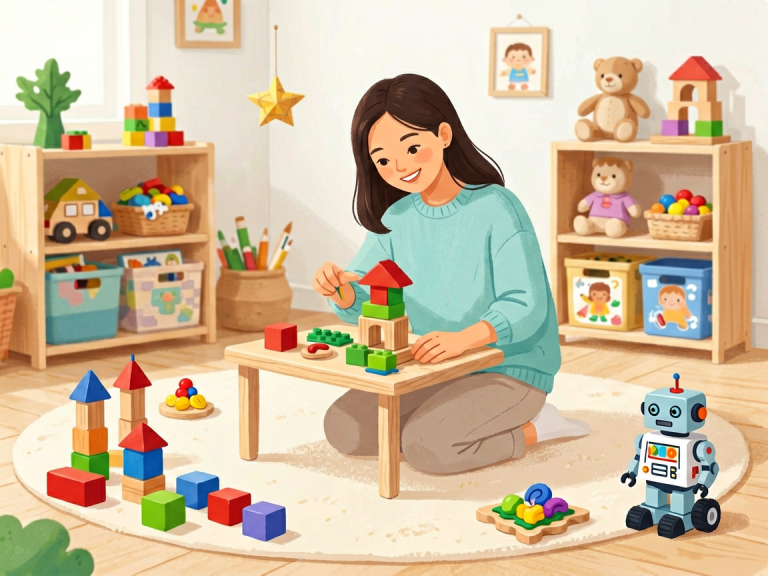
Wooden blocks are the quintessential building toy, and for good reason. They have been a staple in homes and preschools for generations because they offer unlimited open-ended play. Unlike sets with predetermined instructions, plain wooden blocks allow children to follow their own imagination. They can stack, line up, arrange in patterns, and create simple structures such as houses, bridges, and towers.
The best wooden block sets for preschoolers are made from sustainably sourced, smooth-sanded hardwood with no sharp edges or toxic paints. Look for sets that include a variety of shapes—cubes, rectangles, cylinders, triangles, arches, and even half-circles. Sets with natural wood finish or non-toxic, water-based colors are ideal because they are safe if chewed and do not splinter easily. Brands such as Hape, Melissa & Doug, and Grimm’s offer high-quality options. The simplicity of wooden blocks is their greatest strength: they do not light up or make sounds, forcing children to create their own narratives. A child might build a “castle for a dragon” one day and a “garage for cars” the next. This type of play builds cognitive flexibility, a crucial component of creative thinking.
Moreover, wooden blocks naturally teach physics concepts. Stacking a cylinder on a cube feels different from balancing a triangle. The child learns that a tall, narrow tower is less stable than a short, wide one. When the blocks inevitably tumble, the child experiences failure in a safe, low-stakes environment, building resilience. For parents seeking a toy that will last for years and encourage solo or cooperative play, a set of wooden blocks is an unbeatable choice.
Magnetic Building Sets: Engineering Meets Art
Magnetic building toys have surged in popularity because they add a thrilling “click” and allow structures to defy gravity in ways that traditional blocks cannot. For preschoolers, magnetic tiles or rods and balls offer a unique tactile experience. The magnets inside the pieces provide a satisfying resistance, and children quickly discover that certain configurations stick while others repel. This is an early lesson in polarity and magnetic force—a subtle introduction to STEM concepts.
The most recommended magnetic building sets for preschoolers are those with large, chunky pieces that are easy for small hands to grasp. Magnatiles and Picasso Tiles are two leading brands. They feature translucent, colorful geometric shapes (squares, triangles, rectangles) that snap together along the edges. Children can build 3D structures such as cubes, pyramids, castles, and even simple vehicles. The transparency of the tiles adds an extra dimension: light passes through them, creating beautiful shadows and color mixing when placed in a sunny window. For preschoolers, magnetic tiles are forgiving—pieces do not slide off easily, reducing frustration. They also encourage pattern recognition and symmetry.
A step further in complexity are magnetic rod-and-ball sets like Magformers or GeoMag. These use magnetic spheres and rods with magnetic ends, allowing for much more intricate structures such as bridges, arches, and moving joints. However, for the youngest preschoolers (age 3), small balls can be a choking hazard, so parental supervision is crucial. For children aged 4 and older, these sets offer an excellent challenge that teaches structural engineering principles. The best approach is to start with magnetic tiles and then introduce rod sets as the child’s dexterity and understanding improve.
Large Interlocking Blocks: Giant-Scale Play
Nothing captures a preschooler’s imagination like being able to build something as big as they are. Large, lightweight interlocking blocks—often made from durable plastic—allow children to construct forts, towers, walls, and even pretend houses that they can physically enter. Brands like B. toys (the B. play XXL blocks) or Mega Bloks First Builders offer gigantic pieces that are roughly the size of a brick. These blocks are hollow and extremely light, making them safe for active play. They connect easily with large pegs and holes, so even a three-year-old can snap them together without frustration.
The developmental benefits of these oversized blocks are unique. They encourage gross motor skills—lifting, carrying, balancing, and stepping over structures. They also stimulate spatial awareness on a macro scale. A child who builds a “wall” learns about height, width, and stability in a very physical way. Additionally, these blocks lend themselves to cooperative play: two or three children can work together to create a “castle” or “car” big enough to climb inside. This type of dramatic play fosters language development as children invent scenarios and assign roles. Another popular option is Cardboard giant blocks (like those from FlexiBlocks), which are eco-friendly and can be decorated with crayons or markers, adding an artistic element. However, cardboard is less durable than plastic, so for heavy use, plastic blocks are recommended.
Soft Foam Blocks: Safe Exploration for Toddlers and Young Preschoolers
For the very youngest preschoolers—particularly ages two and three—safety is paramount. Children at this age are still developing balance and coordination, and they are likely to fall onto or knock over structures. Soft foam blocks made from dense, non-toxic foam (often covered with wipeable vinyl) provide a perfect solution. They are lightweight, easy to grip, and completely safe even if a child tumbles onto them. Sets such as Babycare Soft Building Blocks or Skip Hop Foam Blocks often come in chunky shapes with numbers, letters, or animal images printed on them. This adds a literacy or numeracy component: a child can build a tower while also identifying the letter “A” or the number “3.”
Foam blocks are also excellent for sensory play. They have a gentle, spongy texture that calms some children. Because they are quiet and do not make loud clattering sounds, they are ideal for classroom settings or apartment living. The biggest drawback is that they cannot hold complex structures as well as wood or plastic; tall towers are wobbly. However, for stacking, sorting, and knocking down, foam blocks are a wonderful introduction to building. They also help develop language skills if the blocks feature pictures of animals or everyday objects, encouraging children to talk about what they see.
Themed Construction Sets: Bringing Stories to Life
While open-ended blocks are essential, many preschoolers are captivated by building toys that connect to familiar themes—trains, farms, castles, or space. Themed building sets combine structural play with narrative role-play. One of the most enduring examples is Duplo, LEGO’s larger brick line designed for ages 1.5 to 5. Duplo bricks are twice the size of standard LEGO bricks, reducing choking risks and making them easier for small fingers to handle. Duplo sets come with specialized pieces: a fire station set includes a firefighter figure, a ladder, and a hose; a farm set comprises animals, a barn, and a tractor. These themed elements encourage children to build a scene and then act out stories.
The educational value of Duplo goes beyond just building. Following the simple picture instructions (if provided) teaches sequencing and following directions. But Duplo also remains open-ended—after building the official model, children can mix pieces from multiple sets to create anything they imagine. This hybrid of guided and free play is ideal for preschoolers who crave structure but also need room for creativity. Similar themed options include Paw Patrol or Disney Mega Bloks sets, which feature characters and vehicles. However, parents should be mindful: heavily licensed sets can sometimes limit imaginative play if the child feels they must only recreate scenes from the show. A good strategy is to buy a standard bucket of Duplo bricks along with one or two themed sets, providing a balance.
Considerations for Choosing the Right Building Toy
With so many excellent options, how does a parent or educator choose? The best building toy for a preschooler depends on several factors: the child’s age, developmental stage, interests, and the play environment (home vs. daycare). Here are key guidelines:
- Age and safety: For children under three, large wooden blocks or soft foam blocks are safest. Avoid small pieces that can be swallowed. For ages four and up, magnetic tiles and Duplo are excellent.
- Sensory preferences: Some children are drawn to the smooth feel of wood; others prefer the click of magnets or the texture of foam. Observe your child’s play style.
- Durability and storage: Wooden blocks last for decades. Magnetic tiles can crack or lose magnetism over time if abused. Foam blocks may dent. Consider how rough the play typically is. Also, think about storage—many sets come with a box or bag, which helps teach tidying up.
- Open-ended vs. structured: Both types are valuable. A mix of wooden blocks (open-ended) and a Duplo set (partially structured) offers the best of both worlds.
- Budget: High-quality wooden blocks and magnetic tiles can be more expensive but are often investment pieces that last through multiple siblings. Budget-friendly alternatives like cardboard blocks or basic foam sets work well for short-term use.
Ultimately, the best building toy is one that engages the child’s curiosity and invites repeated play. It should be safe, age-appropriate, and most importantly, fun. When a preschooler spends an hour stacking, clicking, and rebuilding, they are not just playing—they are constructing the foundation of a strong, creative mind.
Conclusion: Building a Brighter Future, One Block at a Time
Building toys for preschoolers are not merely amusements; they are educational tools that cultivate the skills necessary for future academic success and life-long learning. From the timeless wooden block to the innovative magnetic tile, each toy offers a unique blend of motor skill development, cognitive challenge, and imaginative storytelling. By selecting a variety of building toys that grow with the child—starting with large foam blocks and advancing to magnetic sets and Duplo—parents can provide a rich play environment that adapts to evolving abilities. As children build towers, vehicles, and imaginary worlds, they are also building confidence, patience, and problem-solving strategies. So the next time you see a preschooler carefully balancing block upon block, remember: they are architects of their own development. Choose the right tools, and watch their imaginations soar.