How to Choose Screen-Free Toys: A Comprehensive Guide for Modern Parents
In an age where digital devices dominate almost every aspect of our lives, finding truly screen-free toys for children has become both a challenge and a necessity. From interactive tablets to smart talking dolls, the toy industry has increasingly blurred the line between physical play and digital engagement. Yet a growing body of research in child development, neuroscience, and education confirms that the best early learning experiences often happen away from screens. Choosing screen-free toys is not about rejecting technology altogether; it is about intentionally selecting tools that foster creativity, social skills, fine motor development, and independent thinking. This article provides a detailed framework to help parents, educators, and caregivers make informed decisions when navigating the vast landscape of non-digital playthings.
Understanding the Importance of Screen-Free Play
Before diving into selection criteria, it is essential to understand why screen-free toys matter. The American Academy of Pediatrics recommends that children under 18 months avoid screen time altogether (except for video chatting), and children aged 2 to 5 should have no more than one hour per day of high-quality programming. Yet many modern toys come with built-in screens, apps, or Wi-Fi connectivity that encourage passive consumption rather than active creation. Screen-free toys, by contrast, demand that children use their imagination, manipulate physical objects, and interact with the real world. They support the development of executive function skills—such as impulse control, working memory, and cognitive flexibility—because children must figure out how to use the toy without step-by-step digital instructions. Moreover, screen-free play reduces eye strain, encourages physical movement, and promotes deeper social interactions when children play together.
Key Criteria for Selecting Screen-Free Toys
1. Prioritize Open-Ended Play Potential
The single most important factor when choosing a screen-free toy is its capacity for open-ended play. Open-ended toys are those that can be used in multiple ways, without a predetermined outcome or a single correct method of play. Classic examples include building blocks, wooden train sets, play silks, clay or modeling dough, and loose parts such as stones, pinecones, or fabric scraps. A set of simple wooden blocks, for instance, can become a castle, a spaceship, a bridge, or a dinosaur habitat depending on the child's imagination. In contrast, a toy that only makes one sound or performs one function—like a battery-operated toy that dances when a button is pressed—offers limited opportunities for creative exploration. When a toy sets the agenda, the child becomes a passive observer; when a toy is open-ended, the child is the director of their own play narrative. Look for toys that invite children to ask "What if?" rather than "What now?"
2. Match the Toy to the Child’s Developmental Stage
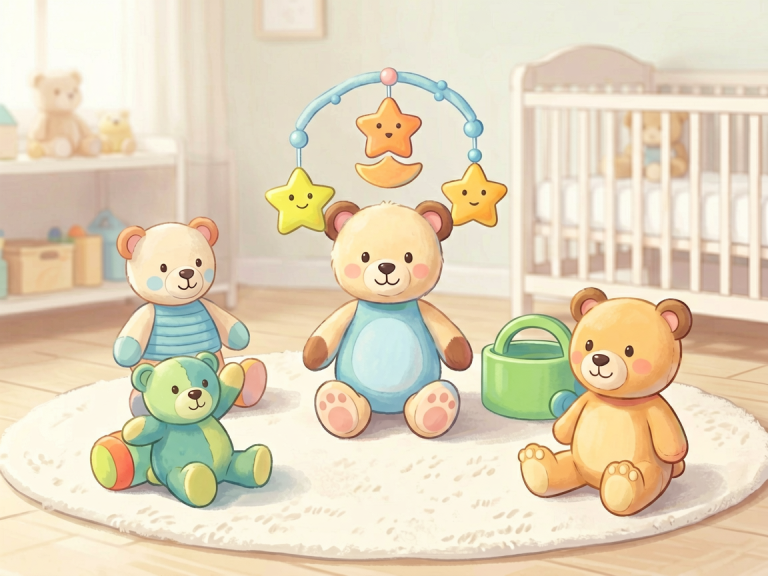
A screen-free toy that is too advanced can frustrate a child, while one that is too simple can bore them. Understanding developmental milestones helps narrow down choices. For infants and toddlers up to age 2, the best toys stimulate the senses without requiring complex manipulation. Soft cloth books with different textures, rattles, stacking cups, and grasping toys encourage sensory exploration and cause-and-effect learning. Avoid small parts that pose choking hazards. For preschoolers aged 3 to 5, toys that support pretend play, fine motor skills, and early problem-solving are ideal. Think wooden puzzles, dress-up costumes, art supplies like washable markers and play dough, and simple board games that teach turn-taking. For school-age children aged 6 and up, more complex construction sets (like magnetic tiles or marble runs), strategy board games, science kits, and arts-and-crafts materials that require planning and patience are excellent. Always check the manufacturer's age recommendations, but also consider your individual child's interests and abilities.
3. Emphasize Natural, Durable, and Safe Materials
Screen-free toys are often made from a wider variety of materials than their digital counterparts, and material choice matters for both safety and longevity. Wood, organic cotton, wool, natural rubber, and non-toxic paints are preferable to cheap plastics that may contain harmful chemicals such as BPA, phthalates, or lead. Look for certifications like ASTM, CPSIA, or EN71 that indicate the toy has passed safety tests. Durable toys not only last longer but also can be passed down to siblings or donated, reducing environmental waste. Additionally, natural materials offer different sensory experiences: the weight and warmth of wood, the softness of felt, the slight resistance of paper for drawing. These tactile qualities cannot be replicated by a smooth plastic screen. When possible, support brands that prioritize sustainable sourcing and ethical manufacturing.
4. Look for Toys That Encourage Interaction, Not Isolation
One of the hidden dangers of many screen-based toys is that they are designed for solitary use. A child alone with a tablet may miss opportunities to practice communication, negotiation, and empathy. Screen-free toys can be chosen deliberately to promote social play. Cooperative board games (where players work together against the game itself), building sets that require two sets of hands, puppets for storytelling, and outdoor toys like kites, jump ropes, or beach balls all naturally draw children into shared experiences. Even toys typically considered solitary, such as puzzles, can become collaborative when two children work on them together. When evaluating a potential purchase, ask yourself: Will this toy likely be used alone or with others? Can it be adapted for group play? Does it inspire conversation or silence? The best screen-free toys are often those that become the centerpiece of a playdate or family game night.
5. Foster Creativity and Imagination Over Passive Entertainment
Many modern toys come with pre-recorded voices, programmed responses, or preset storylines. A talking doll that repeats the same five phrases offers little room for a child to invent their own dialogue. In contrast, a simple fabric doll or a set of wooden animal figures allows the child to create unique personalities, plots, and worlds. Similarly, art supplies like watercolor paints, blank paper, glue, and recycled objects provide infinite possibilities for self-expression, while coloring books that already have drawn outlines limit creativity. When choosing screen-free toys, favor those that provide a blank canvas rather than a predetermined script. The toy should be a tool, not a teacher. If a toy sings songs or tells stories automatically, it robs the child of the chance to sing or narrate themselves. Look for toys that are "responsive" only through the child’s manipulation—like a xylophone that makes sound only when struck—rather than reactive in a programmed way.
Practical Examples Across Different Categories
To make these principles concrete, consider the following categories of screen-free toys that exemplify good choices:
Construction and Building: Magnetic tiles (e.g., Magna-Tiles or Picasso Tiles), wooden unit blocks, LEGO Classic sets (not the branded, instruction-heavy kits), and interlocking plastic gears. These toys teach spatial reasoning, balance, and cause-and-effect, and they can be used for years at increasing levels of complexity.
Pretend Play: Dress-up clothes and accessories (hats, scarves, badges), play kitchens with wooden food, dollhouses with minimal furniture, and tool benches. The key is to avoid sets that come with too many specific pieces that dictate a single scenario; instead, provide generic items that can be repurposed.
Art and Creativity: Open-ended art supplies such as tempera paints, clay, modeling beeswax, sidewalk chalk, finger paints, and large sheets of paper. Avoid electronic drawing tablets or toys that only produce preset shapes. Also consider craft kits that require assembly and planning, like weaving looms or bead threading.
Board Games and Puzzles: Cooperative games like “Hoot Owl Hoot!” or “The Sneaky, Snacky Squirrel Game” for younger children, and strategy games like “Qwirkle” or “Settlers of Catan” for older kids. Puzzles made of thick cardboard or wood with engaging imagery. These develop logical thinking, patience, and social skills.
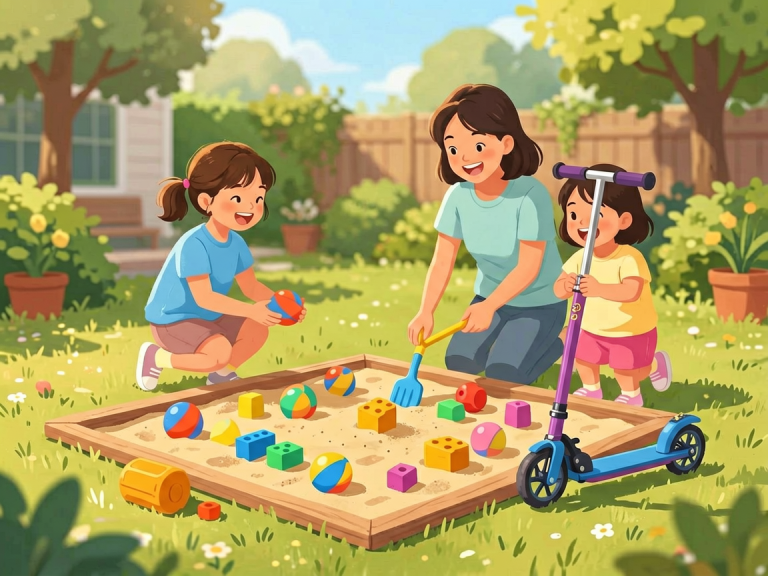
Outdoor and Active Play: Balls, jump ropes, frisbees, climbing structures, balance beams, bicycles, scooters, sand and water tables, gardening tools sized for children. Physical play is inherently screen-free and essential for gross motor development.
Musical Instruments: Simple, non-electronic instruments like a wooden xylophone, hand drums, maracas, a recorder, or a ukulele. These allow children to experiment with rhythm and melody without digital amplification or presets.
How to Evaluate and Avoid Marketing Traps
Toy packaging and advertisements often emphasize “educational” or “STEM” labels, but these terms can be misleading when applied to screen-free toys. A toy that claims to teach coding without a screen, for example, might actually involve sequencing with physical cards or blocks—which is excellent—or it might simply have a small LED screen hidden inside. Always read reviews and watch unboxing videos to see the toy in action. Be wary of toys that require batteries, especially those that claim to "interact" with the child through pre-recorded responses. Also consider the noise factor: many parents appreciate quiet play options that don't contribute to sensory overload. Finally, remember that a toy does not have to be expensive to be effective. A set of cardboard boxes, a ball of yarn, and a handful of clothespins can inspire hours of open-ended play.
The Role of Parental Engagement
No matter how thoughtfully chosen a screen-free toy is, its value greatly increases when an adult models how to use it or plays alongside the child. A parent who sits on the floor and builds a tower with blocks, or who asks open-ended questions while the child draws, transforms the toy into a social and learning tool. The best screen-free toys are not meant to replace human interaction; they are invitations for connection. Therefore, when selecting toys, also consider whether you, as a caregiver, will enjoy engaging with them. If a toy bores you, your child may eventually lose interest too. Choose toys that spark your own curiosity, and your enthusiasm will be contagious.
Conclusion
Choosing screen-free toys in a digital world requires intentionality and a shift in perspective. Instead of looking for toys that entertain a child passively, seek those that invite creation, collaboration, and discovery. Open-ended materials, developmentally appropriate designs, natural and safe materials, and a focus on social interaction are the pillars of a smart selection. By rejecting the flashy allure of screens and embracing the timeless power of simple objects, we give children the gift of deep, imaginative play—the very foundation of a healthy, curious, and resilient mind. The next time you walk down the toy aisle, pause. Put down the tablet-shaped plastic box. Pick up the wooden blocks instead. Your child will thank you with a story they invented entirely on their own.