Educational Second Birthday Gifts for Newborns: Nurturing Early Development Through Play
Introduction
When we hear the phrase “second birthday gifts for newborns,” it might initially sound contradictory — after all, a newborn is typically a baby in the first few weeks of life. However, in the context of early childhood development, the term “newborn” is often used broadly to describe infants and toddlers up to two years old, especially in parenting circles. A child’s second birthday is a remarkable milestone: they have survived the fragility of infancy, learned to walk and talk, and are now ready to explore the world with incredible curiosity. Choosing educational gifts for this age is not just about entertainment; it is about laying the foundation for lifelong learning. The right toys and activities can stimulate cognitive growth, language skills, motor coordination, and social-emotional understanding. In this article, we will explore a variety of thoughtful, developmentally appropriate educational second birthday gifts for newborns — meaning gifts that are ideal for toddlers celebrating their second birthday and that also support their continued growth into early childhood.
—
1. Understanding the “Second Birthday” Milestone in Early Childhood
The second birthday marks a child’s transition from babyhood to toddlerhood. At this age, children typically exhibit rapid brain development: their vocabulary expands from a handful of words to hundreds, they begin to form simple sentences, and their gross and fine motor skills improve dramatically. They also start to engage in pretend play and show a strong desire for independence.
Therefore, educational gifts for a two-year-old should do more than just entertain. They should challenge the child’s emerging abilities while remaining safe and accessible. A good gift will encourage exploration, problem-solving, and creativity. It will also respect the child’s short attention span and need for repetitive practice, which is how young children master new skills.
—
2. Cognitive Development: Building Blocks and Puzzles
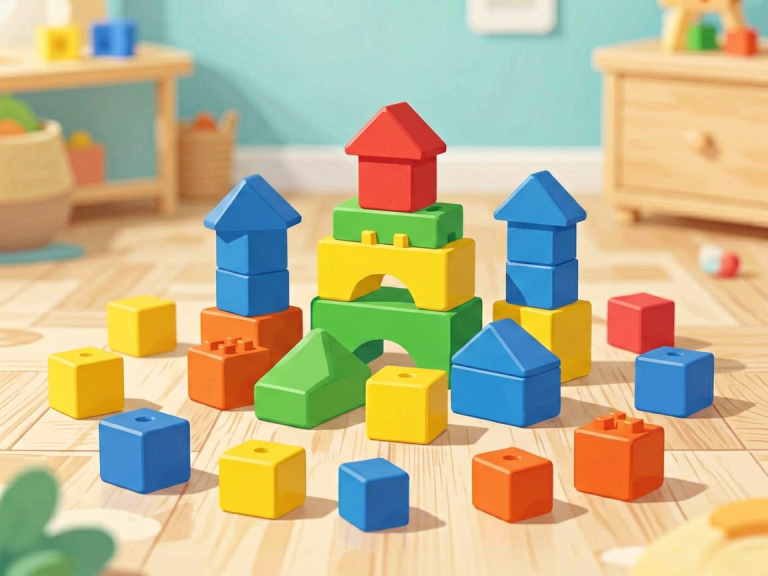
One of the most classic educational gifts for a second birthday is a set of building blocks. Blocks come in various sizes, colors, and materials, and they offer endless opportunities for learning. A toddler can stack them, sort them by color, or use them to create simple structures. This activity boosts spatial awareness, hand-eye coordination, and early math concepts like size comparison and balance.
Puzzles are another excellent cognitive tool. Simple wooden puzzles with large knobs and only a few pieces help toddlers practice shape recognition and problem-solving. As they fit each piece into its corresponding slot, they learn about cause and effect (“this piece only goes here”) and develop persistence. Look for puzzles that feature animals, vehicles, or familiar objects to also build vocabulary.
For an extra developmental boost, consider puzzles that incorporate numbers or letters in a very basic form — not for memorization, but for exposure. The goal at this age is not academic pressure, but playful discovery.
—
3. Language and Communication: Interactive Books and Storytelling
Language development explodes between ages one and two. To fuel this growth, nothing beats a good book. Interactive board books with flaps, textures, or sound buttons engage multiple senses and make reading a playful experience. Books with repetitive phrases and simple rhyming patterns help toddlers anticipate what comes next, building memory and phonological awareness.
Another wonderful gift is a set of picture cards or a “first words” poster. Pointing to images and naming them together during playtime reinforces vocabulary. Some parents also enjoy “storytelling kits” that include small figurines and a simple felt board, allowing the child to act out a story. This kind of imaginative play not only develops language but also narrative thinking.
Don’t forget the power of sing-along songs. A musical storybook that plays nursery rhymes when a button is pressed can be a favorite. Singing together strengthens bonding and introduces rhythm and rhyme, both crucial for early literacy.
—
4. Fine Motor Skills: Stacking Toys and Shape Sorters
Fine motor skills — the small muscle movements in fingers and hands — are critical for tasks like drawing, using utensils, and eventually writing. Educational gifts that target these skills are perfect for a two-year-old.
Stacking rings are a classic example. A toddler must coordinate their hand movements to place a ring on a peg, often in order of size. This requires precision and encourages problem-solving. Similarly, shape sorters require the child to match a shape (like a circle or triangle) to the correct hole, which also teaches planning and patience.
More advanced options include threading beads (with large holes and a safe, blunt needle), pegboards, or even simple lacing cards. These activities strengthen the pincer grasp and improve finger dexterity. When choosing such toys, ensure they are made of non-toxic materials and have no small parts that could be a choking hazard — safety always comes first.
—
5. Gross Motor Skills: Push Toys and Ride-Ons
Gross motor skills refer to large movements involving arms, legs, and the whole body. By age two, most children can walk well and are starting to run, climb, and kick a ball. Encouraging these abilities with appropriate gifts supports physical confidence and health.
Push toys, such as a wooden shopping cart or a toy lawn mower, are excellent for toddlers who need something to lean on while walking or who enjoy pushing objects around. These toys also encourage imaginative play — a child might “shop” for pretend groceries or “mow” the lawn like a grown-up.
Ride-on toys that the child propels with their feet (not pedals) are also great for balance and coordination. A simple, low-to-the-ground vehicle with no pedals allows the toddler to develop steering skills and leg strength. Some ride-ons even have storage compartments, adding an element of surprise and utility.
Outdoor balls of various sizes are another simple yet effective gift. Kicking, throwing, and chasing a ball build hand-eye coordination and social play when shared with an adult or sibling.
—
6. Creativity and Imagination: Art Supplies and Pretend Play
A two-year-old’s imagination is just beginning to bloom. Encouraging creative expression through art and pretend play is one of the most enriching educational gifts you can offer.
Child-safe, washable crayons and large sheets of paper (or even a reusable drawing tablet) allow toddlers to scribble freely. Scribbling is not random; it is the precursor to writing and helps children understand that their movements can create marks on a page. Finger paints, play dough, and non-toxic stampers add sensory variety and fine motor practice.
Pretend play toys, such as a play kitchen, tool bench, or doctor kit, let toddlers imitate adult behaviors. This type of play builds social and emotional skills — they learn roles, practice empathy, and develop language by narrating their actions. A simple wooden phone or a set of plastic food items can provide hours of creative fun.
Dress-up clothes (with easy fasteners like Velcro) are another wonderful option. A child can become a firefighter, a princess, or a chef, exploring different identities and scenarios.
—
7. Social and Emotional Growth: Dolls and Stuffed Animals
At two years old, children begin to understand that others have feelings. They may comfort a crying friend or mimic caregiving behaviors they have observed. Dolls, plush animals, and action figures are powerful tools for nurturing empathy and social skills.
A soft baby doll with a blanket or bottle encourages the child to practice nurturing — rocking, feeding, and “putting to sleep.” Stuffed animals can become best friends, offering comfort and a ready audience for conversation. These toys also help children process their own experiences. For example, a child who has recently visited the doctor might recreate that visit with a teddy bear, reducing anxiety through play.
Look for dolls with simple, neutral expressions to allow the child to project any emotion onto them. Avoid dolls with complex electronic features that might dictate the play; instead, choose open-ended toys that invite the child’s own storylines.
—
8. Sensory Exploration: Musical Instruments and Textured Toys
Sensory play is vital for brain development. A toddler’s world is still very much about discovering how things feel, sound, and move. Musical instruments designed for little hands — such as egg shakers, maracas, a small xylophone, or a tambourine — introduce cause and effect (shaking makes noise) and rhythm. Making music together also strengthens parent-child bonding and can be a calming activity.
Textured toys like sensory balls (with bumps or ridges), fabric books with different materials (fluffy, crinkly, smooth), or a simple “feely bag” filled with safe objects (a wooden block, a piece of velvet, a cold spoon) help toddlers learn descriptive words like “rough,” “soft,” “hard,” and “cold.”
Water play toys — such as a set of cups, funnels, and floating animals for the bath — are also fantastic for sensory learning. Bath time becomes a laboratory for experimenting with volume, sinking, and floating.
—
9. How to Choose Age-Appropriate Educational Gifts
Not every toy labeled “educational” is appropriate for a two-year-old. When selecting gifts, keep these guidelines in mind:
- Safety first. Avoid small parts that could be choking hazards. All materials should be non-toxic and free from sharp edges.
- Open-endedness. The best toys are those that can be used in many ways, not just in one prescribed manner. Blocks, play dough, and dolls score high here.
- Interest matching. Consider the child’s current fascinations. Do they love animals? Trains? Music? Tailoring the gift to their interests increases engagement.
- Durability. Two-year-olds can be rough on toys. Choose sturdy wood, thick plastic, or well-stitched fabric that can withstand drops and throws.
- Avoid screens. While some digital toys have educational value, the American Academy of Pediatrics recommends minimal screen time for toddlers. Hands-on, real-world play is far more beneficial.
If you are unsure, simple is often better. A well-made wooden block set or a stack of board books will be loved for years, while a flashy electronic toy may gather dust after a few days.
—
10. Conclusion: The Lasting Impact of Thoughtful Gifting
Educational second birthday gifts for newborns — or, more precisely, for toddlers celebrating their second year — are far more than presents. They are tools for exploration, bridges to learning, and vehicles for bonding. Whether you choose a set of chunky puzzles, a musical instrument, or a cozy pretend kitchen, the key is to select something that invites the child to play actively, think creatively, and grow at their own pace.
Remember, the most educational gift of all is your time and attention. Sit down with the child, build a tower together, read the same story three times in a row, or shake a maraca and dance. The toy facilitates the learning, but it is the interaction with a loving adult that truly sparks a young mind. So as you shop for that special two-year-old, choose gifts that make you want to join in the fun. Because at this age, learning and love are inseparable — and that is the greatest gift of all.
—
*Word count: approximately 1,180 words*