Educational Toys for Kids Who Love Animals: Nurturing Curiosity, Empathy, and Learning Through Play
Children who are fascinated by animals possess a natural spark of curiosity—they wonder why lions have manes, how birds fly, or what a shark’s skin feels like. This innate interest is a golden opportunity for parents and educators to channel into meaningful learning. The right educational toys, tailored for kids who love animals, can transform this passion into a lifelong love for science, literacy, empathy, and critical thinking. In this article, we explore the unique benefits of animal-themed educational toys, dive into different categories that support cognitive and emotional development, and offer practical guidance for choosing the best options for your young animal enthusiast.
The Unique Appeal of Animal-Themed Toys
Why are animal toys so effective as educational tools? The answer lies in the deep, instinctive bond children form with the animal kingdom. Unlike abstract mathematical concepts or historical dates, animals are tangible, relatable, and emotionally engaging. A child who adores dogs will naturally want to learn about breeds, habitats, and behaviors. This intrinsic motivation is the engine of deep learning.
Animal-themed toys also bridge the gap between imaginary play and real-world knowledge. When a preschooler plays with a set of plastic farm animals, they are not just mimicking sounds—they are building a mental model of classification (which animals live on a farm versus in the jungle), cause and effect (what happens when the cow eats grass), and even early biology (mammals versus reptiles). For older children, sophisticated toys like anatomy puzzles or coding robots shaped like animals introduce STEM concepts in a friendly, non-intimidating way.
Moreover, animal toys naturally foster empathy. Caring for a plush pet, feeding a toy pony, or assembling a habitat for a toy penguin teaches children to consider the needs of another living being. In a world that increasingly values emotional intelligence, this is a profound educational benefit.
Cognitive Development Through Animal Play
Animal-themed educational toys do more than entertain—they actively build key cognitive skills across multiple domains.
Language and Literacy
Animal toys are fantastic vocabulary builders. Young children learn new words like “paws,” “whiskers,” “herbivore,” and “nocturnal” through hands-on play. Many toys come with storybooks, fact cards, or interactive apps that encourage reading and listening comprehension. For example, a set of animal figurines paired with a CD of animal sounds can help a child associate the word “elephant” with its trumpeting call, strengthening auditory discrimination and memory.
Scientific Thinking and Observation
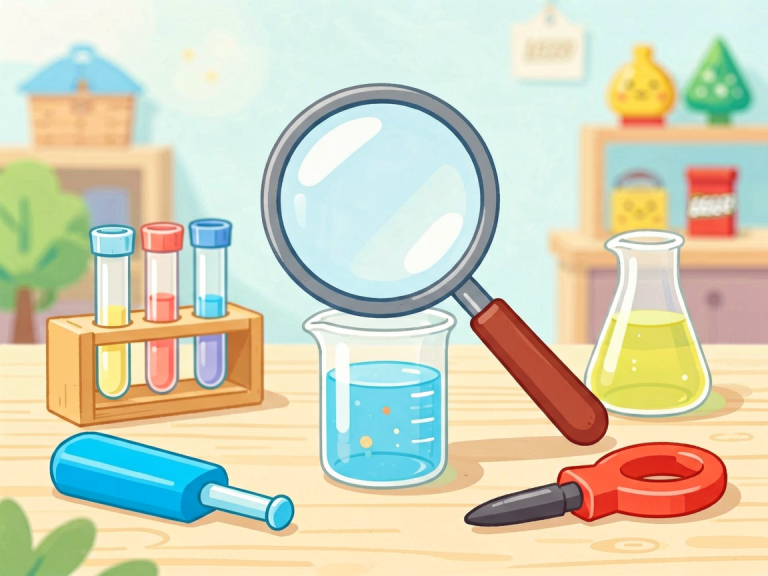
Children who play with animal toys naturally become little scientists. They classify animals by size, color, or habitat. They ask questions: “Why does a polar bear have white fur?” or “How does a chameleon change color?” Toys like animal life cycle kits, nature exploration sets with magnifying glasses, or fossil excavation kits turn these questions into hands-on experiments. Such play cultivates the scientific method—hypothesis, observation, and conclusion—in a joyful, child-led way.
Mathematics and Logic
Many animal toys incorporate counting, sorting, and pattern recognition. A toddler can count five wooden ducks, while an older child can use a puzzle that requires matching predator to prey or solving an animal-themed Sudoku. Building blocks shaped like animals or geometric pattern boards with animal motifs also reinforce spatial awareness and early geometry.
Creativity and Problem-Solving
Open-ended animal toys, such as a box of realistic figurines or a magnetic animal habitat scene, encourage creative storytelling. A child might invent a story about a lost baby giraffe finding its way home, which involves navigating obstacles, thinking about sequences, and resolving conflicts. This type of play is crucial for developing executive function skills like planning and flexible thinking.
Types of Educational Animal Toys for Different Ages
Not all animal toys are created equal. The best choices depend on the child’s age, interests, and developmental stage. Below are several categories of educational toys that cater to animal-loving kids, from toddlers to preteens.
1. Realistic Animal Figurines and Playsets
These are timeless and versatile. High-quality figurines (such as those from Safari Ltd. or Schleich) are detailed and accurate, allowing children to learn about anatomical features. A simple set can be used for sorting, counting, storytelling, or even creating a diorama of a savannah. For older kids, themed playsets that include habitats, fences, and human figures add layers of complexity—they can design a zoo, a wildlife sanctuary, or a prehistoric landscape.
2. Animal Puzzles and Matching Games
Puzzles are excellent for developing fine motor skills and logical reasoning. Animal-themed floor puzzles with large pieces are perfect for preschoolers; they might show a map of the world with animals in each continent, teaching geography along the way. For older children, 100-piece puzzles depicting a coral reef or Amazon rainforest introduce biodiversity. Matching games (e.g., match the animal to its footprint, its home, or its baby) reinforce classification and memory.
3. STEM Kits and Science Sets
These are ideal for children aged 6 and up who want to dive deeper. Examples include:
- Life cycle kits – observe the metamorphosis of a butterfly or frog (real or simulated).
- Animal anatomy models – a transparent frog or human–animal comparison model that shows organs and bones.
- Coding robots – robots shaped like dogs, cats, or dinosaurs that teach basic programming logic through obstacle courses or feeding tasks.
- Eco-system terrariums – build a self-sustaining habitat for small creatures like ants or worms, learning about ecology and responsibility.
4. Board Games and Card Games
Animal-themed board games combine social interaction with learning. Games like “Zoo Tycoon” (simulation) or “Wildlife” (strategy) teach resource management, animal behavior, and conservation. Card games such as “Top Trumps: Animals” encourage reading factual data (speed, size, lifespan) and comparative thinking. Cooperative games like “Animal Rescue” foster teamwork and empathy.
5. Art and Craft Kits
For the creatively inclined, animal crafts are both fun and educational. A kit to build a 3D cardboard lion, a set of stamps with animal tracks, or a painting-by-number of a whale reinforces attention to detail and understanding of animal form. Some kits include science facts about each animal’s coloration or camouflage.
Tips for Selecting the Best Educational Animal Toys
With countless options on the market, how do you choose? Here are practical guidelines to ensure the toy truly educates and delights.
1. Follow the child’s interests. If your kid is obsessed with marine life, invest in ocean-themed toys rather than farm animals. The more personally relevant, the deeper the learning.
2. Look for open-ended play potential. Toys that can be used in multiple ways—such as a set of animal blocks that can build a zoo or a math game—offer more value than single-function gadgets.
3. Prioritize factual accuracy. Especially for older children, anatomical or behavioral inaccuracies can mislead. Choose toys from reputable educational brands that consult biologists.
4. Balance screen time with hands-on play. Many animal apps and videos are educational, but physical toys engage multiple senses and prevent passive consumption. A combination is ideal.
5. Consider durability and safety. Small parts can be a choking hazard for toddlers. Always check age recommendations and material quality.
6. Encourage social interaction. Board games, cooperative playsets, and puzzles that require teamwork build communication and emotional skills alongside academic ones.
Real-World Examples: How Animal Toys Spark Learning
To illustrate, let’s look at two scenarios.
Scenario A: A four-year-old who loves pandas. Her parents give her a set of six panda figurines and a bamboo forest play mat. Over weeks, she learns to count the pandas, sort them by size, and create stories about their daily life. Her mother reads a children’s book about giant pandas, and the child compares the pictures to her toys. Later, she sees a documentary about pandas and exclaims, “Pandas eat bamboo for 12 hours a day!” – a fact she remembered from the book. This play integrated math, literacy, and biology.
Scenario B: An eight-year-old fascinated by dinosaurs. He receives a dinosaur excavation kit that requires him to “dig” fossils out of a plaster block using a brush and chisel. He carefully uncovers a T-Rex tooth replica. This activity teaches patience, fine motor skills, and scientific methodology. He then reads the included fact card and learns that T-Rex teeth could be up to 12 inches long. His curiosity leads him to research dinosaur teeth comparisons online (with parent guidance), igniting a passion for paleontology that continues into school projects.
Conclusion: Play That Grows with the Child
Educational toys for kids who love animals are far more than simple distractions. They are powerful tools for nurturing a child’s natural curiosity into deep, lasting knowledge. From the toddler who learns to say “kangaroo” while pointing at a toy to the sixth grader who builds a biome model for a science fair, animal-themed play supports every stage of development. These toys teach empathy for living creatures, respect for the environment, and the joy of discovery.
When choosing such toys, remember that the best investment is one that matches the child’s unique spark of interest. Whether it’s a simple set of plastic farm animals or a sophisticated coding robot, the goal is the same: to let a love for animals lead the way into a world of learning. In a time when screens often compete for attention, quality animal toys ground children in the real, the tactile, and the wondrous world of nature. And that, in itself, is the most educational gift we can give.