Nature-Inspired Gifts for Kids: Cultivating a Lifelong Love for the Outdoors
In an age dominated by screens and digital distractions, few presents are as valuable as those that reconnect children with the natural world. For kids who already show curiosity about bugs, leaves, and the great outdoors, the right gift can spark a deeper sense of wonder, foster environmental stewardship, and even improve mental and physical health. This article explores thoughtful, engaging gifts that nurture a child’s innate love for nature—each one carefully chosen to inspire exploration, creativity, and respect for the planet. Whether you are a parent, grandparent, or friend, these ideas will help you give a gift that keeps on giving, long after the wrapping paper is gone.
Outdoor Exploration Kits: The Foundation of Adventure
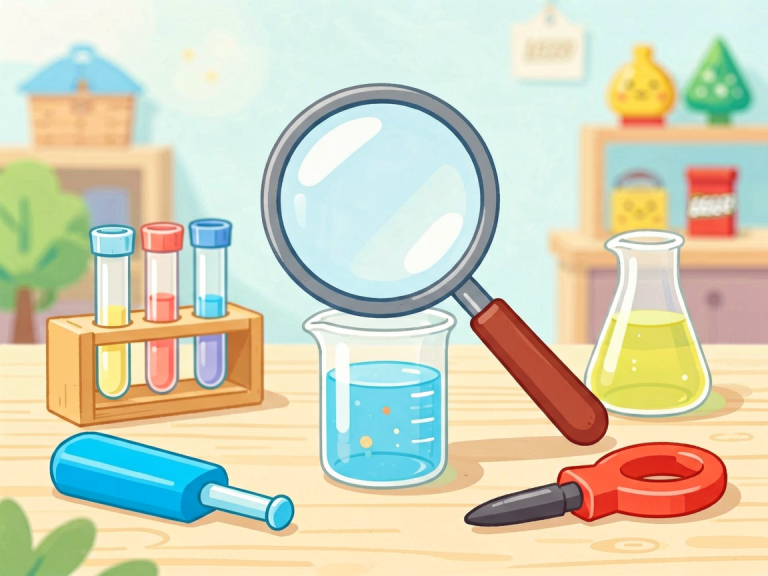
Every young naturalist needs the right tools to observe and interact with the world beyond the doorstep. An outdoor exploration kit is not just a collection of items—it’s an invitation to become a backyard scientist. Start with a sturdy, kid‑friendly backpack or a canvas tote bag, then fill it with essentials: a magnifying glass with a large lens for examining insect wings or leaf veins, a pair of child‑sized binoculars for birdwatching, and a lightweight field guide to local plants, animals, or stars. Adding a simple compass and a small whistle can teach basic navigation and safety. For extra excitement, include a bug‑catching jar with a ventilated lid (and a soft catch net to avoid harming insects). Many ready‑made kits are available from brands like National Geographic or Melissa & Doug, but a handmade version allows you to tailor it to the child’s specific interests. The gift of an exploration kit says, “I trust you to discover the world on your own terms,” empowering kids to ask questions, record findings in a small notebook, and share their excitement with family.
Science and Observation Tools: Bringing the Microscopic World to Life
While a magnifying glass is wonderful, children who are truly captivated by nature will benefit from tools that reveal hidden dimensions. A portable digital microscope that connects to a tablet or phone can turn a backyard walk into a deep‑sea dive into the microworld. Kids can capture images of pollen grains, butterfly scales, or the intricate patterns of a spider’s web. For older children (ages 8 and up), a basic compound microscope with prepared slides—such as pond water, onion cells, or insect legs—can introduce the concept of life cycles and cellular biology in a hands‑on way. Another excellent gift is a quality butterfly or insect rearing kit: children can watch caterpillars form chrysalises and emerge as painted lady butterflies, learning about metamorphosis and responsibility. Similarly, an ant farm or a worm composting bin offers a front‑row seat to the daily lives of tiny creatures. These gifts transform abstract science lessons into tangible, memorable experiences, encouraging patience and careful observation.
Gardening Sets: Cultivating Responsibility and Wonder
Few activities connect a child more directly to nature than gardening. A child‑friendly gardening set should include tools that fit small hands: a trowel, a hand rake, a pair of soft‑touch gloves, and a watering can with a gentle rose. But the real magic lies in the seeds. Choose fast‑growing, high‑interest plants like sunflowers (which can grow taller than the child), cherry tomatoes that can be eaten straight from the vine, or snap peas that produce edible pods. For year‑round enjoyment, consider a windowsill herb garden with basil, mint, and chives—easy to grow and rewarding to use in cooking. Some gardening kits are designed as complete “pods” with soil discs and biodegradable pots, such as the “Root Viewer” that lets kids watch roots develop underground through a clear window. Gardening teaches patience, responsibility, and the cycle of life. More importantly, a child who grows their own food often develops a lasting appreciation for where meals come from and a desire to protect the environment.
Nature‑Based Art Supplies: Creativity Inspired by the Outdoors
For children who love to draw, paint, or craft, nature itself can be the greatest muse. Gifts that bridge art and ecology encourage kids to look closely at natural patterns and textures. Consider a high‑quality field sketchbook with thick paper that can handle watercolor washes, along with a portable watercolor set and a fine‑tip pen for botanical drawings. Leaf‑rubbing plates—simple plastic templates with raised vein patterns—are a classic tool that even young children can use to create beautiful impressions. For more advanced young artists, a set of colored pencils made from recycled materials or a nature‑drying clay kit (such as earthenware clay that can be shaped into leaf or animal forms) offers tactile creativity. Another wonderful idea is a “nature printing” set that uses non‑toxic inks to make imprints of leaves, ferns, and bark. These gifts teach children to observe the subtle details of a petal’s edge or the texture of a stone, and they produce artwork that can be displayed with pride. The process also reinforces the idea that nature is a source of endless inspiration, not just a backdrop.
Books and Field Guides: Stories That Open Young Eyes
While hands‑on tools are essential, the right books can ignite a child’s imagination and deepen their understanding of nature. Look for beautifully illustrated field guides written specifically for kids—for example, “The Big Book of Bugs” or “Trees, Leaves, Flowers & Seeds” by DK. These books organize information in an engaging, visual way, with lift‑the‑flaps and fact boxes that make learning feel like a treasure hunt. For narrative inspiration, choose stories where nature plays a central role, such as Jean Craighead George’s “My Side of the Mountain” (about a boy who lives in a tree) or Katherine Applegate’s “The One and Only Ivan”. For younger children, picture books like “The Tiny Seed” by Eric Carle or “Over and Under the Snow” by Kate Messner encourage connections with seasonal cycles. A subscription to a nature‑themed magazine—such as “National Geographic Kids” or “Ranger Rick”—delivers monthly excitement and keeps the outdoor spirit alive year‑round. When combined with a comfortable, cozy reading spot by a window overlooking trees, these books become invitations to explore further, look closer, and ask “why?”
Experiences Over Things: Giving the Gift of Time in Nature
Sometimes the most powerful gift isn’t an object at all—it’s an experience. Consider gifting a family membership to a local botanical garden, nature center, or state park. Many such passes grant free entry for a full year, along with access to special workshops, night hikes, or butterfly releases. Another idea is a “nature outing voucher”: a beautifully printed card redeemable for a day trip—perhaps a guided tide‑pool exploration, a bird‑banding demonstration, or a canoe ride on a peaceful lake. For children who dream of camping, a starter set of child‑size camping gear (small sleeping bag, headlamp, and a whistle) can be tied to a promise of a first camping trip. Even a simple “compass scavenger hunt” prepared by an adult—with clues that lead to a hidden treasure in the woods—creates memories that far outlast any toy. Experiences not only deepen a child’s bond with nature but also with the people who share those moments. They teach that the outdoors is a place of joy, discovery, and connection, not something to be consumed passively.
Educational Subscriptions and Eco‑Friendly Gear
For families who want a recurring dose of nature‑inspired learning, subscription boxes are an excellent choice. Services like “KiwiCo” (specifically their Crate Crates for ages 9–16) deliver monthly projects that explore topics like solar‑powered robots or water filtration. Others, like “Green Kid Crafts”, focus on eco‑conscious activities such as building a bee house or creating a recycled‑paper journal. These boxes combine science, art, and environmental awareness in a way that fits seamlessly into a child’s routine. Alongside such subscriptions, consider gifting eco‑friendly gear that reduces a child’s environmental footprint: a reusable stainless‑steel water bottle with a nature motif, a bamboo lunchbox, or a backpack made from recycled ocean plastic. Explain to the child why these materials matter—tying the gift to the broader idea of protecting the natural world they love. A child who understands that their new bottle saves plastic waste is more likely to become an advocate for the planet.
Conclusion: The Lasting Impact of a Nature‑Themed Gift
Choosing a gift for a child who loves nature is not about finding the flashiest item; it’s about feeding a flame of curiosity, respect, and joy. Whether you select a simple magnifying glass, a gardening kit, a book on animal tracks, or an unforgettable outdoor adventure, your present says two important things: “I see what makes you happy” and “I believe in the power of the wild places around us.” These gifts help children build skills—observation, patience, creativity, environmental literacy—that will serve them well in a rapidly changing world. They also create moments of quiet awe: the first time a child watches a ladybug take flight from their own hand, or discovers a fossil on a riverbank. In a time when many kids spend more hours indoors than ever before, a nature‑oriented gift is more than a present. It is a bridge to a healthier, more connected, and more wonder‑filled life. So this birthday, holiday, or just‑because occasion, look beyond the toy aisle and into the great outdoors—you may just be giving the most meaningful gift of all.