The Ultimate Guide to Pick Birthday Toys: Smart Tips for Every Age and Stage
Selecting the perfect birthday toy for a child can feel like navigating a minefield. Walk into any toy store, and you are immediately overwhelmed by flashy packaging, endless shelves of plastic gadgets, and the constant pressure to buy something "special." But the truth is, the best birthday toys are not necessarily the most expensive or the most advertised. They are the ones that spark genuine joy, encourage development, and match the child's unique personality. Whether you are a parent, grandparent, aunt, uncle, or family friend, mastering the art of how to pick birthday toys requires more than just a quick glance at a wish list. It demands thoughtful consideration of age, safety, interests, and long-term value. In this comprehensive guide, we will walk you through actionable tips to help you choose a gift that will be remembered, cherished, and actually played with long after the candles are blown out.
Understand the Child’s Developmental Stage Before You Shop
One of the most common mistakes people make when they pick birthday toys is focusing solely on the child's chronological age without considering their developmental milestones. A toy that is too advanced can frustrate a child, while one that is too simple will bore them almost instantly. To avoid this, take a moment to research what is appropriate for their age group.
Infants and Toddlers (0–2 Years): Sensory Exploration and Safety First
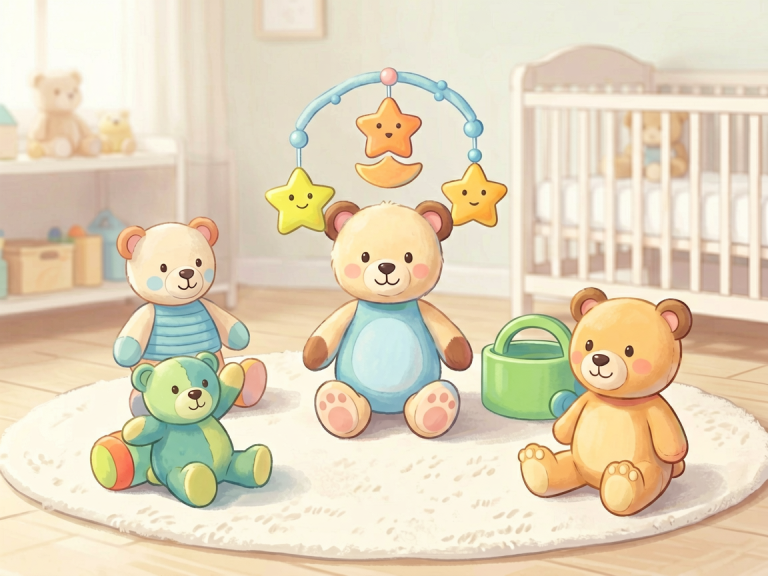
For the youngest birthday celebrants, toys should stimulate the senses and encourage basic motor skills. Look for items with contrasting colors, different textures, and safe, non-toxic materials. Soft blocks, rattles, and activity gyms are excellent choices. However, safety is paramount. Ensure that no small parts can be swallowed, that edges are smooth, and that the toy is free of harmful chemicals like BPA or phthalates. At this stage, simple cause-and-effect toys—like a pop-up toy that responds to a button press—are both entertaining and educational.
Preschoolers (3–5 Years): Imaginative Play and Fine Motor Skills
Preschool-aged children are in a golden period of creative exploration. When you pick birthday toys for this group, think about role-playing sets, building blocks, puzzles with larger pieces, and art supplies. Dolls, action figures, toy kitchens, and tool sets allow them to mimic the adult world and practice social skills. Fine motor development can be encouraged with lacing beads, clay, or simple construction sets. At this age, children also begin to show preferences for specific characters from movies or TV shows, so paying attention to their current obsessions can guide you toward a hit.
School-Age Children (6–9 Years): Logic, Strategy, and Physical Activity
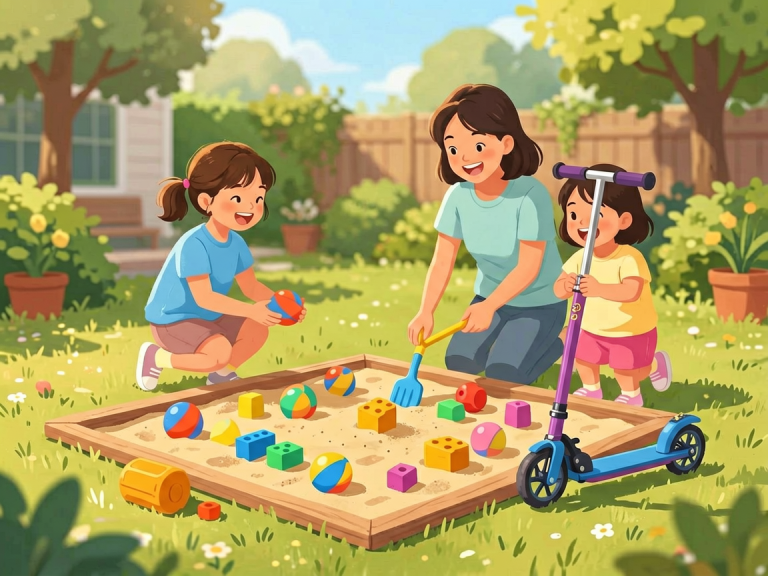
Elementary school children are ready for more complex toys that challenge their growing minds. Board games that require strategy, science kits, building sets like LEGO with more pieces, and craft kits are all fantastic options. This is also a prime time for outdoor toys that promote physical activity—bicycles, scooters, jump ropes, and sports equipment. If you are unsure, consider subscription boxes that deliver age-appropriate activities each month; they can be a gift that keeps on giving.
Tweens and Teens (10+ Years): Respect Their Interests and Social Circles
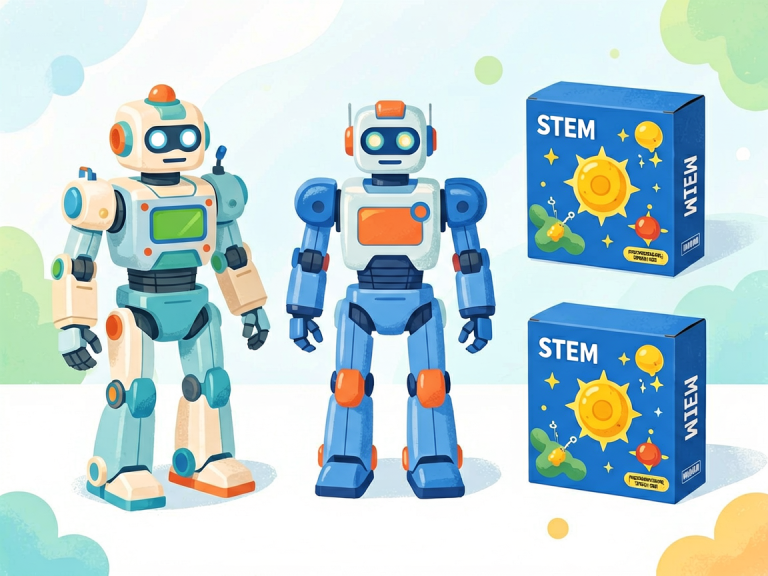
As children grow into tweens and teenagers, their tastes become more sophisticated and peer-influenced. When you need to pick birthday toys for this demographic, think beyond traditional toys. Video games, board games with deeper mechanics, building kits for robotics, musical instruments, art supplies for advanced projects, or even tech gadgets like headphones or camera accessories can be well-received. The key here is to listen. Ask them directly or consult with their parents about their hobbies. Avoid giving something that feels "childish" to them, as it may end up in the closet. Gift cards can be a safe fallback, but if you want something more personal, consider a experience—like tickets to a concert or a workshop they have been wanting to try.
Prioritize Safety and Quality Over Trends
It is easy to be seduced by the latest viral toy or the one all the kids on social media seem to have. But not every trendy toy is safe, durable, or even appropriate. Before you pick birthday toys, check for safety certifications. In the United States, look for the ASTM or CPSC mark. In Europe, the CE mark indicates compliance with safety standards. Avoid toys with long cords that could pose a strangulation risk, sharp edges, or magnets that can be swallowed.
Quality matters more than quantity. A well-made wooden toy that can be passed down to younger siblings is often a better investment than a cheap plastic gadget that breaks within a week. Durable toys also tend to be more sustainable, reducing waste and teaching children to value their possessions. Moreover, high-quality materials—smooth wood, sturdy metal, or thick fabric—provide a better tactile experience, which can enhance a child's engagement with the toy.
Align the Toy with the Child’s Unique Interests and Passions
The best way to ensure your gift is a success is to match it to what the child already loves. You do not need to be a mind reader; just observe or ask. Does the child spend hours drawing? Then professional-grade colored pencils, a high-quality sketch pad, or an online art class subscription would thrill them. Are they fascinated by dinosaurs? A detailed dinosaur encyclopedia, a model excavation kit, or a high-quality replica set might be perfect. Sports enthusiasts would appreciate equipment or apparel related to their favorite team, while budding musicians might love a beginner instrument or a music-making app subscription.
Sometimes children have niche interests that are not well served by mass-market toys. In those cases, consider handmade or specialty items from online marketplaces like Etsy. For instance, a child who loves astronomy might adore a custom star map of the night sky on their birthday, or a high-quality telescope. The more you personalize the gift, the more meaningful it becomes—and the more likely the child will remember your thoughtfulness long after the birthday party is over.
Strive for a Balance Between Entertainment and Education
While every birthday should be fun, the toys children play with can also be powerful tools for learning. When you pick birthday toys, aim for those that build skills without feeling like homework. Puzzles improve spatial reasoning and patience. Building sets develop engineering thinking and creativity. Board games teach turn-taking, strategy, and resilience in the face of loss. Science kits introduce basic principles of chemistry and physics in an engaging way. Cooking sets for kids can teach math (measuring ingredients) and following instructions.
However, do not fall into the trap of buying only "educational" toys that look more like textbooks than playthings. The best educational toys are the ones children want to use voluntarily because they are fun. For example, a magnetic building set is educational, but it also feels like play. A coding robot can teach programming basics while still being exciting. The magic happens when a child does not realize they are learning because they are having too much fun.
Consider the Practicalities: Space, Battery Life, and Parental Sanity
Before making a purchase, take a moment to consider the real-world context of the gift. Does the child’s home have enough space for a large toy like a play kitchen or a ride-on car? Will the toy require batteries? If so, are they included? How loud is it? Some toys with constant sound effects can drive parents up the wall. Also, think about the cleanup. Toys with many small pieces can be stressful for families with limited storage or young siblings who might swallow them.
Another often-overlooked factor is the toy's long-term play value. Will it be played with for months, or will it be abandoned after a week? Classic toys like LEGO, wooden train sets, dolls, and art supplies tend to have high replayability because they allow for open-ended creativity. Electronic toys with pre-programmed functions often lose their appeal once the novelty wears off. Whenever possible, choose toys that encourage the child to be the driver of their own play rather than a passive observer.
Observe the Child’s Play Style and Personality
Every child is different. Some are calm and methodical, while others are energetic and boisterous. Some prefer solitary play, while others thrive in group activities. When you pick birthday toys, try to match the gift to the child's natural play style. A quiet, introverted child might love a detailed puzzle, a set of art supplies, or a book series. An extroverted, high-energy child might prefer a sports set, a musical instrument, or a cooperative board game they can play with friends.
Also consider whether the child tends to be a "builder" or a "destroyer." Some children love taking things apart to see how they work—construction kits or deconstruction toys (like a take-apart toy that lets them reassemble) could be ideal. Others love role-playing and storytelling—dress-up clothes, puppets, or a dollhouse would be better. Paying attention to these subtle clues can make the difference between a gift that collects dust and one that becomes a beloved companion.
Don’t Forget the Power of Experiences and Subscriptions
Not all birthday gifts have to be physical toys. In fact, experiences often create more lasting memories than objects. When you cannot figure out what toy to pick, consider gifting an experience. This could be a trip to a trampoline park, a zoo membership, a cooking class, or a weekend camping trip. Alternatively, subscription boxes deliver the magic of receiving a gift every month—craft kits, science experiments, book clubs, or even snacks from around the world. These can be especially exciting for children and take the pressure off finding the perfect single item.
Experiential gifts have an added advantage: they encourage quality time with family and friends. A child may forget a plastic toy after a few weeks, but they will remember the day they went to the aquarium with their cousins. For older children, concert tickets, a video game download code, or a class in something they have been wanting to learn can be far more meaningful than another item to clutter their room.
Final Checklist: How to Pick Birthday Toys with Confidence
To wrap up, here is a quick checklist you can use the next time you are shopping for a birthday toy:
- Age appropriateness: Check the manufacturer's age recommendation, but also consider the child's actual development.
- Safety: Look for safety certifications, avoid small parts for young children, and choose non-toxic materials.
- Interests: Choose something that aligns with what the child already loves.
- Educational value: Pick toys that challenge the child without being boring.
- Durability: Invest in quality that will survive the test of time and play.
- Practicality: Think about space, noise level, batteries, and cleanup.
- Play style: Match the toy to how the child naturally plays.
- Uniqueness: Avoid duplicates; check with parents if possible.
- Long-term appeal: Prefer open-ended toys over one-time gimmicks.
Choosing the right birthday toy is an art, not a science. But with these tips in hand, you can navigate the toy aisle with confidence, knowing that your gift will bring a smile, inspire imagination, and perhaps even teach a valuable lesson. Remember, the best toy is one that invites the child to play, explore, and create—and that, in the end, is the greatest gift of all. Happy shopping, and happy birthday to the special child in your life!