Stellar Surprises: The Ultimate Guide to Gifts for Kids Who Love Space
Introduction
Every child who gazes up at the night sky with wonder dreams of becoming an astronaut, discovering a new planet, or piloting a starship through the cosmos. For parents, relatives, and friends, finding the perfect gift for a space-obsessed kid can be both exciting and challenging. The ideal present should not only spark their imagination but also deepen their understanding of the universe. From hands-on experiments to immersive reading materials, the universe of gift options is as vast as space itself. This guide explores the best categories of gifts for young space enthusiasts, ensuring that each selection fuels their passion and curiosity.
Educational Toys That Launch Learning
When a child loves space, learning about astronomy, physics, and engineering becomes a thrilling adventure. Educational gifts that combine play with science are among the most valuable.
1. Build-Your-Own Rocket Kits
Nothing says “space” like a real rocket launch. Model rocket kits, such as those from Estes or smaller DIY versions, allow kids to assemble a rocket from scratch, understand aerodynamics, and then safely launch it into the sky. These kits often come with multiple stages, parachute recovery systems, and instructions that explain the physics of thrust and gravity. For younger children, snap-together foam rockets with air pumps provide a safe, repeatable experience. The joy of watching their creation soar—and the anticipation of recovery—teaches patience and scientific method.
2. Interactive Planetarium Projectors
A bedroom ceiling can transform into the Milky Way with a quality planetarium projector. Look for models that project realistic constellations, nebulae, and even the actual positions of stars based on date and location. Some advanced projectors include a rotating star disk and a timer function for a gentle fade-out at bedtime. These devices spark conversations about constellations, mythology, and the scale of the universe. Pairing the projector with a star chart or a beginner’s guide to astronomy makes the experience even richer.
3. Robotics and Coding Space Sets
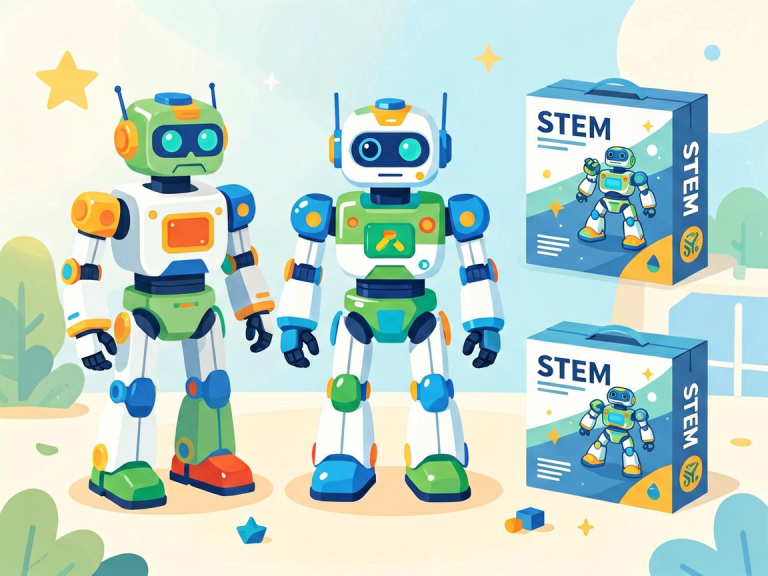
STEM-focused gifts like LEGO Space sets or robotics kits (e.g., from Sphero or Makeblock) let kids build rovers, satellites, or space stations. Many of these kits require basic coding skills, teaching logical thinking and problem-solving. For example, the LEGO City Mars Research Shuttle set includes a rover and a drone, while programmable robots like the Sphero RVR can be coded to navigate a “Martian terrain” created in the backyard. Such gifts bridge the gap between play and real-world space engineering, inspiring future astronauts, physicists, or programmers.
Books That Take Them Beyond the Stratosphere
Reading remains one of the most powerful ways to travel to distant galaxies without leaving home. Choosing the right books can feed a child’s hunger for knowledge about space.
4. Illustrated Encyclopedias and Atlases
Comprehensive yet visually stunning books like *Space: A Visual Encyclopedia* or *The Space Atlas* (by National Geographic) are perfect for curious minds. They cover planets, stars, black holes, and space missions with high-resolution images, infographics, and easy-to-understand text. For younger readers (ages 6–10), *There’s No Place Like Space* (a Dr. Seuss classic) or *The Darkest Dark* by Chris Hadfield combine storytelling with real astronaut experiences. For older kids, *Astrophysics for Young People in a Hurry* by Neil deGrasse Tyson presents complex ideas in accessible language, sparking deeper questions.
5. Fictional Adventures Set in Space
A great story can make a child feel like they are part of the cosmos. Series like *The Last Kids on Earth* (which includes post-apocalyptic space elements), *Space Case* by Stuart Gibbs, or *Zita the Spacegirl* offer thrilling plots with relatable protagonists. For middle-grade readers, *The Lost Solar System* (from the *Tales of the Magic Tree House* series) mixes history and astronomy. Graphic novels such as *The Adventures of Tintin: Explorers on the Moon* provide classic entertainment with scientific nods. These books encourage imaginative play and often lead children to research the real science behind the fiction.
Immersive Experiences and Hands-On Projects
Beyond physical objects, experiences and activities can create lasting memories and deepen a child’s connection to space.
6. Visit a Planetarium or Observatory
A gift certificate for a family trip to a local planetarium or an open house at an observatory is a gift of discovery. Many planetariums offer special kids’ shows, laser light displays set to space-themed music, and workshops on building sundials or identifying constellations. Some even host “astronaut training” sessions where children can try on space suits and spin in gyroscopes. Alternatively, a stargazing night at a dark-sky site with a portable telescope can be an unforgettable experience. Renting a high-quality telescope (or buying an affordable one like the Celestron FirstScope) and spending an evening identifying Jupiter’s moons or Saturn’s rings turns a night out into a real space mission.
7. Space Camp or Virtual Missions
For older kids (ages 8–14), a week at a space camp—such as the U.S. Space & Rocket Center’s Space Camp in Huntsville, Alabama, or a local science museum camp—offers hands-on training in simulators, engineering challenges, and teamwork. If travel isn’t possible, virtual reality (VR) experiences like *Mission: ISS* or *The Apollo 11 VR* allow kids to float through the International Space Station or walk on the Moon from their living room. Some online platforms offer interactive missions where children design a Mars habitat or program a rover. These experiences cultivate critical thinking and a sense of adventure.
Creative and Artistic Gifts for Budding Astronauts
Not all space-loving kids are scientists; many are artists, writers, or dreamers. Creative gifts let them express their cosmic passion in unique ways.
8. Space-Themed Art Kits and Craft Supplies
A high-quality art set with a space theme—like galaxy-colored watercolors, glow-in-the-dark paint, or scratch-off star maps—can inspire hours of creation. Books like *How to Draw Outer Space* guide kids in sketching planets, astronauts, and UFOs. Three-dimensional modeling clay kits for making alien creatures or craters also encourage imaginative play. For older kids, a bullet journal with space stickers and a set of fine-liner pens might become a personal logbook of their astronomical observations or invented star systems.
9. Personalized Space Gear
Gifts that make a child feel like a real astronaut—customized with their name or a mission patch—boost confidence and pride. Options include a flight suit replica (available from toy stores or specialty shops), a helmet visor, or a backpack shaped like a spaceship. A personalized star map (printed with the night sky from their birthdate or a special day) is a beautiful, sentimental gift. Many online services can generate a poster showing the exact alignment of stars and planets at a given time and place.
10. Subscription Boxes for Ongoing Discovery
A subscription to a space-themed monthly box delivers excitement month after month. Companies like KiwiCo’s “Tinker Crate” or “Mel Science” offer experiments related to rocket propulsion, lunar phases, or crystal growth. The “Space & Science” subscription from Little Passports includes a new activity book, a gift, and a collector’s item each month. For older kids, the “Astronomy” magazine subscription (adapted for younger readers) provides current news, star charts, and puzzles. These boxes keep the learning momentum alive and give children something to look forward to.
Conclusion: Gifts That Launch a Lifelong Passion
The key to a great gift for a space-loving child is to match their current age, interests, and level of curiosity. A three-year-old may delight in a glow-in-the-dark mobile of planets, while a ten-year-old might crave a programmable rover. The best gifts do more than entertain—they open doors to new questions, foster skills, and create a sense of wonder that extends far beyond the wrapping paper. Whether you choose a rocket kit that teaches physics, a book that tells the story of the first Moon landing, or an experience that brings the cosmos to life, your gift will be a small but meaningful step in a child’s personal space exploration journey. After all, every astronaut, scientist, and dreamer started with a single spark—and the right gift can be that spark.
*Word count: ~1,100 words*