The Best Educational Gifts for 3-Year-Olds: Inspiring Growth Through Play
Introduction
Choosing the perfect gift for a three-year-old can be a delightful yet challenging task. At this age, children are bursting with energy, curiosity, and a rapidly developing sense of independence. They are just beginning to ask “why” incessantly, to engage in simple cooperative play, and to master fundamental skills like counting, color recognition, and basic problem-solving. The right educational gift can harness this natural enthusiasm and channel it into meaningful learning experiences. Unlike generic toys that entertain for a few minutes, educational gifts are designed to stimulate cognitive, physical, social, and emotional development. They turn everyday play into opportunities for discovery. This article explores the very best educational gifts for 3-year-olds, categorized by the developmental domains they support. Whether you are a parent, grandparent, or friend, this comprehensive guide will help you choose a gift that is both engaging and enriching—one that nurtures a lifelong love of learning.
1. Building Blocks for Cognitive Growth
Open-Ended Construction Sets
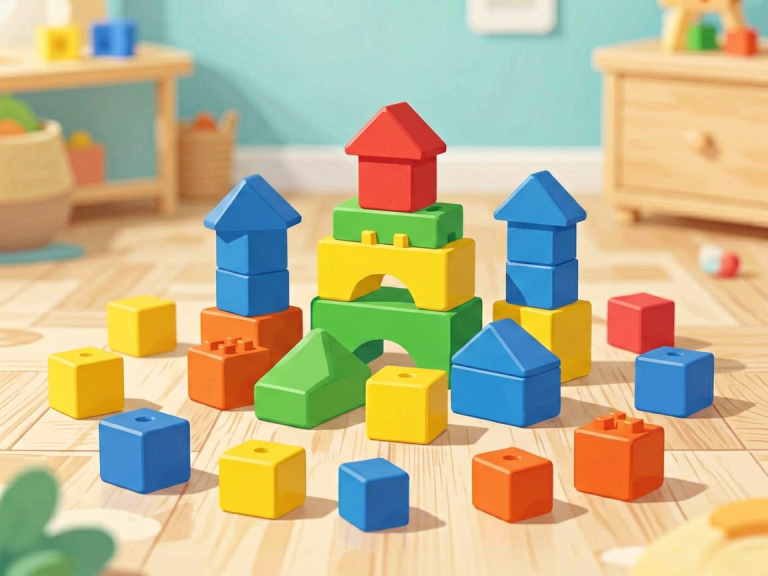
Three-year-olds thrive on hands-on exploration. Open-ended building blocks, such as classic wooden unit blocks or large interlocking plastic bricks like Duplo, offer endless possibilities. Unlike toys with a single purpose, blocks encourage children to experiment with balance, symmetry, and spatial relationships. As they stack, sort, and topple, they develop early math concepts like size comparison, patterns, and cause-and-effect reasoning. A simple set of 50 to 100 blocks can keep a child engaged for hours, and it grows with them—a toddler might simply stack, while an older preschooler will build houses, towers, and bridges. Look for sets that include different shapes, colors, and perhaps a few people or animal figures to spark imaginative scenarios.
Simple Puzzles
Puzzles are classic educational tools, and for three-year-olds, the right puzzle builds problem-solving skills, hand-eye coordination, and persistence. Choose puzzles with large, chunky pieces that fit into a baseboard, featuring familiar images like animals, vehicles, or family scenes. Puzzles with 4 to 12 pieces are ideal—enough to challenge but not overwhelm. As children work to match shapes and pictures, they also develop visual discrimination and memory. Wooden puzzles with knobs are especially good for tiny hands, and self-correcting puzzles (where a piece only fits in one spot) teach logical thinking. Over time, you can increase the complexity, making puzzles a long-term investment in cognitive development.
2. Encouraging Fine Motor Skills
Threading and Lacing Toys
Fine motor skills—the ability to use small muscles in the hands and fingers—are crucial for tasks like writing, buttoning, and using utensils. Threading and lacing toys are perfect for strengthening these muscles in a playful way. Sets that include large wooden beads or shaped pasta pieces and a sturdy lace allow children to practice pincer grip and hand-eye coordination. Some sets come with pattern cards that encourage matching colors or sequences, adding a cognitive layer. For three-year-olds, the beads should be at least one inch in diameter to prevent choking hazards and to be easy to grasp. This gift is not only fun but also prepares little hands for more advanced fine motor tasks.
Play Dough and Modeling Clay
Squeezing, rolling, flattening, and shaping play dough is a sensory-rich activity that builds hand strength and dexterity. Unlike store-bought toys that often have a single function, play dough is infinitely creative. Children can make “food” for a pretend picnic, roll snakes, or stamp shapes with cookie cutters. Adding child-safe tools like plastic knives, rolling pins, and stampers enhances the experience. The tactile feedback also calms anxious children and encourages focus. Look for non-toxic, soft, and easy-to-mold dough. You can even make homemade dough with flour, salt, and food coloring for a cost-effective option. As children manipulate the dough, they are not just having fun—they are actively developing the muscles needed for writing.
3. Fostering Language and Communication
Interactive Storybooks
Language development explodes between ages two and four. Reading together is one of the most powerful ways to support vocabulary, comprehension, and a love of stories. For a three-year-old, choose interactive books that invite participation—lift-the-flap books, touch-and-feel pages, or books with sound buttons. “Brown Bear, Brown Bear, What Do You See?” and “The Very Hungry Caterpillar” are classics that engage children through repetition and bright illustrations. Also consider wordless picture books that allow a child to “tell” the story in their own words. Beyond reading, these books encourage conversation: “What do you think will happen next?” “Can you point to the red apple?” Gifting a set of four to six high-quality picture books can create a small home library and a daily bonding ritual.
Magnetic Alphabet Letters
Exposure to letters and sounds at age three builds a foundation for reading, but it should always be playful. A set of large, colorful magnetic alphabet letters (uppercase and lowercase) can be used on a refrigerator or a magnetic board. Children can sort letters by color, match uppercase to lowercase, or spell their name. The best sets have letters that are chunky and easy to grip, and some include a magnetic board with a dry-erase surface for additional writing practice. Don’t expect a three-year-old to recite the alphabet perfectly—instead, focus on casual exploration: “Look, that’s an ‘S’ like in ‘snake’!” This gift turns the kitchen into a classroom and makes letters a part of everyday life.
4. Unleashing Creativity and Imagination
Art Supplies with a Twist
Three-year-olds are natural artists. They love to scribble, paint, and glue. A well-curated art kit—including washable markers, crayons, finger paints, child-safe scissors, and glue sticks—encourages self-expression and fine motor control. However, to truly spark creativity, consider a gift that adds structure without limiting imagination. For example, a set of “sticker scenes” with reusable stickers and background boards lets children create their own stories. Another excellent option is a magnetic dress-up doll set, where children mix and match outfits on a magnetic character. These toys promote decision-making, storytelling, and narrative thinking. Always choose non-toxic, washable materials and supervise activities to keep them safe and mess manageable.
Pretend Play Sets
Imagination blooms at age three, and pretend play sets are powerful tools for social, emotional, and language development. A simple play kitchen with pots, pans, and wooden food lets a child imitate cooking and hosting. A doctor’s kit (with plastic stethoscope, syringe, and bandages) helps children process medical experiences and practice empathy. A tool bench with a child-safe hammer and screws encourages building and fixing. The best pretend play sets are open-ended—they don’t talk or sing, so children supply the sound effects and dialogue. This type of play allows three-year-olds to experiment with roles, practice negotiation (“You be the patient, I’ll be the doctor”), and build vocabulary related to everyday activities. Look for sturdy, realistic-looking accessories that are sized for small hands.
5. Active Play for Gross Motor Development
Balance Bikes
Gross motor skills—using large muscle groups for running, jumping, and balancing—are rapidly developing in three-year-olds. A balance bike (a pedal-less bicycle that children propel by walking) is an exceptional gift for this age. Unlike training-wheeled bikes that teach pedaling but not balance, a balance bike allows a child to learn the crucial skill of steering and balancing naturally. As they glide and lift their feet, they gain confidence and coordination. Many children transition directly to a regular bike around age four or five after mastering a balance bike. Look for a lightweight model with an adjustable seat and air tires for a smooth ride. This gift promotes outdoor activity, independence, and physical fitness.
Obstacle Course Kits
You don’t need a large yard to create a mini obstacle course. Kits with foam stepping stones, tunnels, and balance beams are available for indoor or outdoor use. Three-year-olds love crawling through tunnels, hopping from one stone to another, and walking along a low beam. These activities improve coordination, spatial awareness, and planning skills. For a simpler option, consider a set of colorful stepping stones that can be arranged in patterns. Parents can join in, making it a family activity that strengthens bonds and encourages active play. Safety is paramount: foam materials should be soft, and all edges should be rounded. The freedom to rearrange the course also teaches problem-solving as children decide how to cross “the river of lava.”
6. Social and Emotional Learning Through Play
Cooperative Board Games
Three-year-olds are beginning to understand turn-taking, sharing, and following simple rules. Cooperative board games—where players work together toward a common goal rather than competing—are ideal. Games like “Hoot Owl Hoot!” (where players help owls fly home before sunrise) or “The Sneaky, Snacky Squirrel Game” (though slightly competitive, it focuses on color matching and fine motor skills) teach patience and teamwork. The best games for this age have few rules, large pieces, and a short playing time. Losing is not a factor because everyone wins together, reducing frustration. This gift nurtures emotional regulation, social cooperation, and early strategic thinking.
Emotion Flashcards and Puppets
Understanding emotions is a critical part of development at age three. Simple emotion flashcards with illustrated faces—happy, sad, angry, surprised—help children label their own feelings and recognize others’. Pair these with hand puppets (soft, washable, and easy to manipulate) so children can act out scenarios. A parent can use a puppet to say, “I’m feeling sad because I lost my toy. What should I do?” This invites empathy and problem-solving. Puppets also encourage reluctant speakers to find their voice. Choose sets that include diverse characters or animals to broaden perspective. This gift supports emotional intelligence, which studies show is a stronger predictor of long-term success than IQ.
Conclusion
The best educational gifts for three-year-olds do not need to be expensive or flashy. They do not require batteries or screens. Instead, they honor the way young children naturally learn—through hands-on exploration, imaginative play, and meaningful interaction with others. From building blocks that teach physics through trial and error, to balance bikes that build confidence and coordination, each gift on this list targets a specific area of development while remaining irresistibly fun. When you give a three-year-old an educational gift, you are not just giving a toy; you are giving an opportunity to discover, to persist through challenges, to create, and to connect. Whether you choose a classic puzzle or a set of emotion puppets, remember that the most important ingredient is your presence and engagement. Play alongside the child, ask open-ended questions, and celebrate their small victories. That shared joy is, ultimately, the most educational gift of all.