The Perils of Comparison: Critical Mistakes to Avoid When Evaluating Toys for Children
—
Introduction
Choosing the right toy for a child is rarely as simple as picking the brightest package or the most expensive option. In a world saturated with marketing, peer pressure, and endless digital reviews, parents, educators, and gift-givers often fall into the trap of comparing toys in ways that are misleading, superficial, or even harmful. The process of comparison—whether between brands, price points, or advertised features—can obscure the true purpose of a toy: to foster development, spark creativity, and bring joy. This article explores the most common mistakes made when comparing toys and offers practical guidance to help you make better, more informed decisions. By recognizing these pitfalls, you can avoid wasting money, reducing clutter, and, most importantly, supporting a child’s growth in meaningful ways.
—
Mistake #1: Focusing Exclusively on Price Without Considering Value
One of the most frequent errors is equating a toy’s worth with its price tag. A cheap toy might seem like a bargain, but if it breaks after two uses or fails to engage the child, it is actually an expensive waste. Conversely, an expensive toy is not automatically superior. The mistake lies in comparing toys solely by their cost rather than by their value—the ratio of benefit to price over time.
For example, a simple wooden block set that costs $30 may provide years of open-ended play, while a $50 electronic gadget might lose its novelty in a week. When comparing, consider durability, longevity, and the breadth of play possibilities. A price comparison without context is like judging a book by its cover—it ignores the content inside.
Practical tip: Calculate the “cost per play.” A toy that is used 100 times for $50 is cheaper per use than a $10 toy used twice.
—
Mistake #2: Overlooking Age Appropriateness and Developmental Stage
Another critical mistake is comparing toys based on what a child *can* do rather than what they *should* be doing developmentally. A well-meaning parent might see a neighbor’s five-year-old playing with a complex board game and purchase the same for their three-year-old, assuming earlier exposure equals faster learning. This comparison ignores the concept of “zone of proximal development”—the sweet spot where a toy challenges without frustrating.
Toy manufacturers list age ranges for a reason: safety (small parts), cognitive demands (reading, counting), and motor skills. Comparing toys across age brackets can lead to either boredom (too easy) or frustration (too hard), both of which can dampen a child’s natural curiosity. For instance, a toddler compared to a preschooler may develop negative associations with learning if forced to use toys beyond their capacity.
Practical tip: Always check the age label, but also observe the individual child’s interests and abilities. Compare toys within the same developmental stage, not across wide gaps.
—
Mistake #3: Being Seduced by Brand Names and Marketing Hype
In the age of influencer reviews and flashy advertisements, brand loyalty often distorts comparison. Consumers tend to compare a well-known brand’s toy against a generic one assuming the branded product is inherently superior—without investigating actual features, materials, or safety records. This is a classic “appeal to authority” fallacy.
However, many generic or small-batch toys are made with equal or greater quality, especially in categories like wooden toys, puzzles, or craft kits. The mistake is comparing brand reputation instead of product specifications. For example, a popular plastic action figure from a major franchise may be less durable than an independent manufacturer’s similar figure made from recycled materials. Marketing budgets do not always correlate with toy quality.
Practical tip: Read independent reviews, check materials, and look for certification labels (e.g., ASTM F963, CE mark). Ignore the logo; compare the toy itself.
—
Mistake #4: Ignoring the Child’s Unique Interests and Personality
Perhaps the most emotional mistake is comparing toys based on what society, peers, or even siblings deem “cool” instead of what the individual child genuinely enjoys. A parent may compare two educational science kits and choose the one praised by a parenting blog, only to find their child prefers art or storytelling. This error stems from comparing toys in a vacuum—detached from the child’s temperament.
Every child has a unique learning style—some are kinesthetic (need movement), some are visual, some are auditory. A toy that works wonders for a neighbor’s child may bore or overwhelm yours. Comparing toys without factoring in a child’s passions (dinosaurs, music, building) is like picking a movie for someone you’ve never met.
Practical tip: Spend time observing how your child plays. Do they like solitary activities or group games? Do they prefer cause-and-effect toys or open-ended materials? Use that knowledge to filter your comparison list.
—
Mistake #5: Neglecting Safety Standards and Material Quality
When comparing toys, especially across international markets or online platforms, safety should never be an afterthought. Yet many buyers compare only price, appearance, or features, forgetting to check for hazardous materials, sharp edges, choking hazards, or toxic paints. Low-cost toys from unregulated sources may contain lead, phthalates, or small magnets that can cause severe injuries.
A tragic example is the comparison between a cheap magnet set and a reputable brand’s version. The cheaper one might look identical, but its magnets could be loose and powerful enough to cause intestinal damage if swallowed. The mistake is assuming all toys are held to the same safety standards. In reality, comparison must include a rigorous check for third-party testing and certification.
Practical tip: Look for safety marks like CE, ASTM, or EN71. Avoid toys with a strong chemical smell. When in doubt, buy from established retailers with return policies.
—
Mistake #6: Prioritizing “Educational” Claims Over Actual Play Value
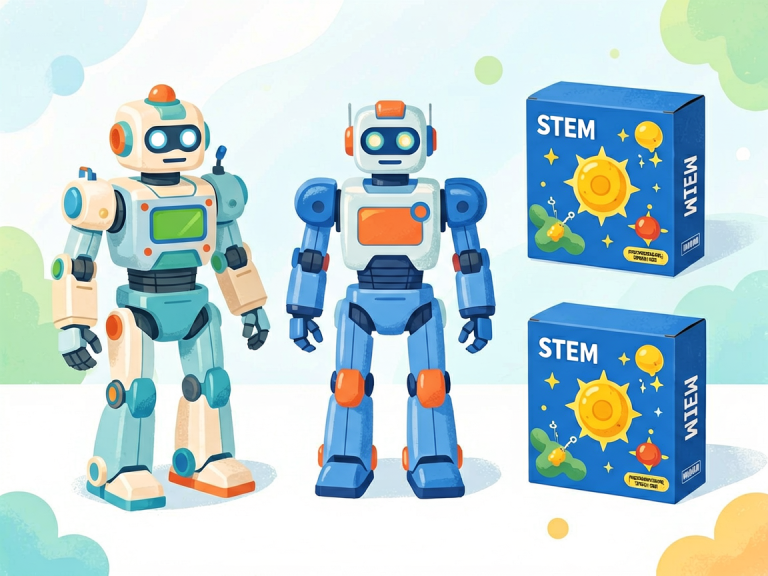
In the quest to make every moment productive, many parents overvalue toys labeled “STEM,” “educational,” or “brain-boosting.” They compare two toys based on the number of academic skills they claim to teach, ignoring the fundamental need for open-ended, imaginative play. This leads to a narrow comparison that may yield toys that are prescriptive, repetitive, and joyless.
For instance, a “math robot” that forces a child to solve equations before playing may cause resistance, while a simple set of counting bears can teach the same concepts through free play. The mistake is comparing marketing claims rather than observing how a toy invites curiosity. True learning happens when a child is intrinsically motivated.
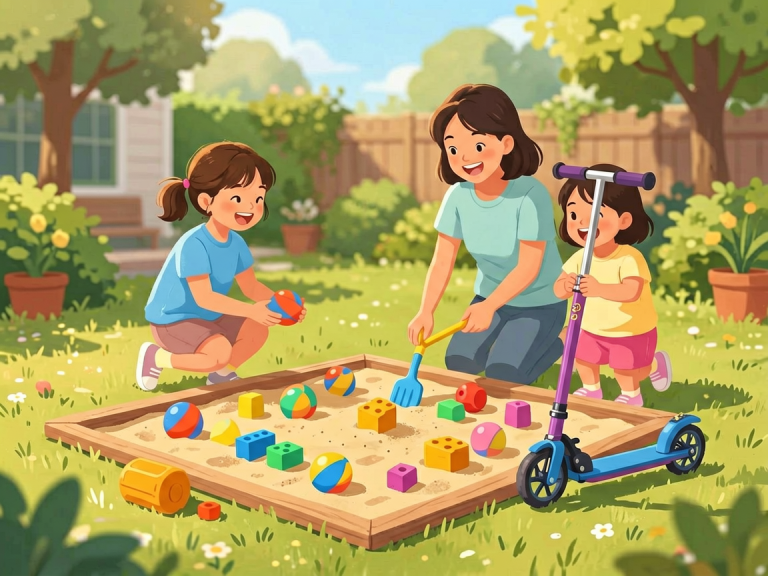
Practical tip: Ask yourself: “Does this toy allow for multiple uses, or does it only do one thing?” The best toys are often the simplest—blocks, clay, dolls, sand—that adapt to the child’s imagination.
—
Mistake #7: Comparing Toys Based on Unboxing or Aesthetic Appeal
In the era of YouTube unboxing videos and Instagram-worthy nurseries, many people compare toys based on their initial wow factor—bright colors, lights, sounds, or packaging. This is a superficial comparison that ignores the toy’s long-term engagement potential. A flashy electronic toy might captivate a child for an hour, but after the batteries die or the novelty fades, it becomes landfill fodder.
In contrast, a plain-looking set of cardboard bricks may be ignored at first but can inspire weeks of castle-building, fort-making, and cooperative play. The mistake is comparing immediate gratification versus enduring value. A toy that is quiet, simple, and open-ended often outlasts its flashy counterpart.
Practical tip: Wait a week after seeing a toy before purchasing. If the child is still talking about it, it’s worth considering. If not, the allure was probably just visual.
—
Mistake #8: Failing to Consider the Toy’s Potential for Social or Solitary Play
Children’s play needs vary: some thrive in group settings, others need quiet time alone. A common mistake is comparing toys only on their inherent features without considering the social context. For example, a parent might compare two board games and pick one that requires four players, but if the child is an only child or lives far from friends, that game will gather dust.
Similarly, comparing a solo puzzle with a cooperative game without considering the child’s current social environment can lead to either loneliness or conflict. The best comparison accounts for who the child will play with—siblings, friends, or alone—and chooses accordingly.
Practical tip: Look for toys that can be used both alone and with others, or buy a mix of both types. Avoid assuming that “one size fits all.”
—
Mistake #9: Overemphasizing “Screen Time” Comparisons
With the rise of digital toys (tablets, apps, interactive robots), many parents compare traditional toys to screen-based ones, often defaulting to screen-free as inherently better. While reducing screen time is generally wise, this binary comparison can be misleading. A high-quality educational app might teach coding skills more effectively than a passive plastic toy, while a screen-free toy might be ignored completely.
The mistake is comparing medium instead of purpose. A child might benefit from a short, interactive digital experience that requires problem-solving, whereas a physical toy that offers no challenge is wasted. The healthy approach is to compare each toy’s ability to promote active, engaged, and creative behavior—whether digital or analog.
Practical tip: Use screens as tools, not babysitters. Compare based on whether the child is a passive consumer or an active participant.
—
Mistake #10: Comparing Toys Without Considering Storage, Maintenance, and Cleanup
Finally, many buyers compare toys only in the store, forgetting the real-world implications of clutter, lost pieces, and cleaning. A beautifully detailed playset with 200 tiny parts might be a dream in the catalog but a nightmare under the couch. Similarly, a toy that requires batteries, charging, or frequent cleaning may become a chore.
When comparing two similar toys, factor in the time and energy required to maintain them. A simple, washable toy often wins in the long run. The mistake is ignoring the hidden cost of ownership.
Practical tip: Ask other parents about their experience with a toy’s durability and cleanup. Read reviews mentioning “parts missing” or “difficult to store.”
—
Conclusion
Comparing toys is not inherently wrong—it becomes harmful when the criteria for comparison are superficial, biased, or disconnected from the child’s reality. The key is to shift from comparing features to comparing fit: how well does the toy align with the child’s age, interests, safety needs, play environment, and long-term development? By avoiding these ten common mistakes, you can transform toy shopping from a stressful guessing game into a thoughtful process that enriches childhood. Remember, the best toy is not the one that looks best on a shelf or receives the highest rating from strangers—it is the one that finds a home in a child’s hands and heart, sparking laughter, curiosity, and growth for months or even years to come.