The Ultimate Guide to the Best Toy Gifts for 5-Year-Olds: Sparking Curiosity, Creativity, and Joy
—
Introduction
At the age of five, children stand at a remarkable crossroads of development. They are no longer toddlers, but not yet full-fledged school-age kids. Their cognitive abilities are blossoming: they can follow multi-step instructions, engage in imaginative play for extended periods, and show a growing understanding of numbers, letters, and cause-and-effect relationships. Socially, they are eager to make friends, share stories, and negotiate roles in pretend play. Physically, their fine and gross motor skills are improving rapidly, allowing them to handle smaller objects, ride tricycles or balance bikes, and draw with greater control.
Choosing the perfect toy gift for a 5-year-old is therefore both exciting and challenging. The best toys are those that do not simply entertain passively but ignite curiosity, encourage problem-solving, foster social interaction, and support physical development. Whether you are a parent, grandparent, aunt, uncle, or family friend, this guide will walk you through the most thoughtful, engaging, and developmentally appropriate toy categories for five-year-olds. Each recommendation is designed to be safe, durable, and—most importantly—immensely fun. Let’s dive into the world of toys that will make a 5-year-old’s eyes light up and their mind race with wonder.
—
1. STEM Toys: Building Blocks for Future Problem Solvers
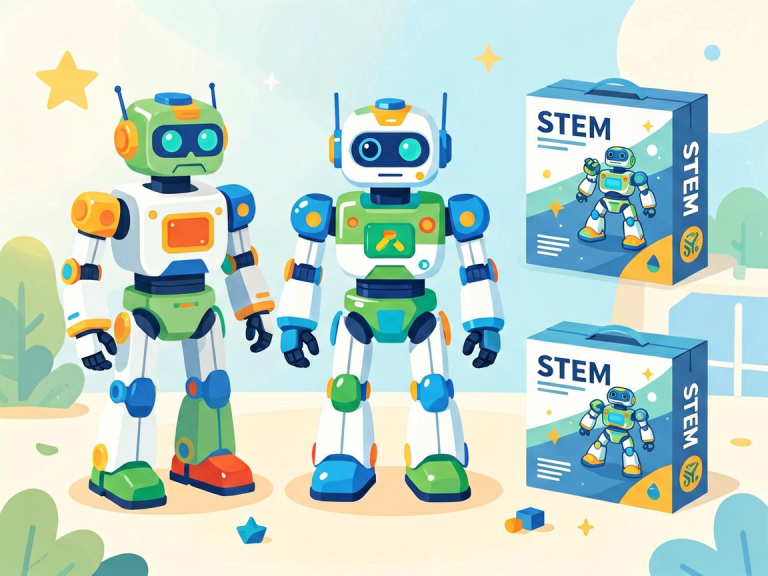
Five-year-olds are natural scientists. They ask endless “why” questions and love to take things apart to see how they work. STEM (Science, Technology, Engineering, and Mathematics) toys channel this curiosity into hands-on learning. The best STEM toys for this age group are those that offer open-ended possibilities, allowing children to experiment without a single “right” answer.
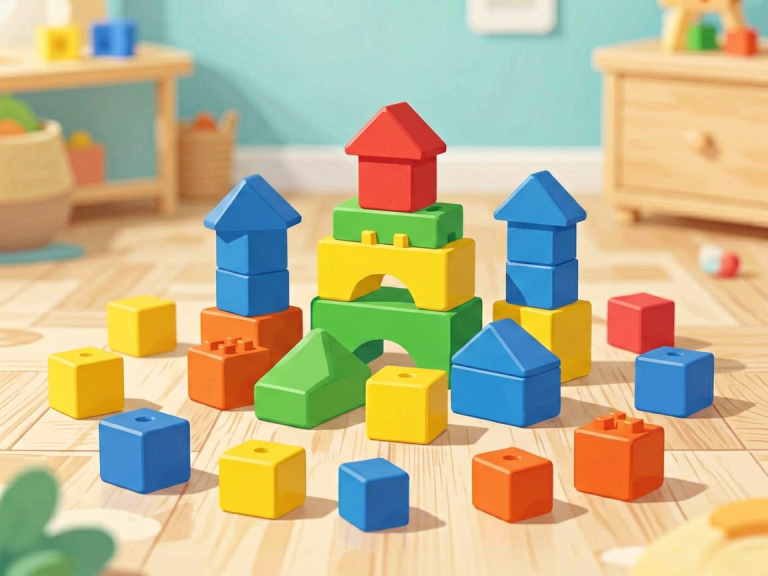
One standout category is construction sets with interlocking pieces, such as magnetic tiles or classic building blocks with gears and wheels. Magnetic tiles, for example, are brilliant because they teach spatial awareness, balance, and symmetry while letting kids build castles, rockets, or animal houses. The satisfying click of magnets connecting is both auditory and tactile feedback that encourages trial and error. For a slightly more advanced option, consider a beginner coding toy that uses physical blocks or cards to program a small robot’s movements. These toys introduce sequencing and logic without requiring any screen time. Another excellent choice is a simple microscope or magnifying glass set designed for young explorers. Paired with a nature journal, a 5-year-old can spend hours examining leaves, bugs, or their own fingerprints, developing observation skills that will serve them well in school.
When selecting STEM toys, look for sets that emphasize process over product. Avoid kits that promise a single finished model with little room for variation. The true gift of a STEM toy is the repeated cycle of building, failing, adjusting, and succeeding—a lesson in resilience as much as in engineering.
—
2. Creative Arts: Unleashing Imagination Through Hands-On Expression
At five, children’s imaginations are boundless. They can transform a cardboard box into a spaceship, a stick into a wizard’s wand, and a pile of play dough into a birthday cake. Creative arts toys feed this imaginative fire and also build fine motor skills, hand-eye coordination, and emotional intelligence.
Art supplies are foundational. A high-quality set of washable markers, crayons, watercolor paints, and safety scissors can keep a 5-year-old occupied for hours. But consider going beyond basic supplies: a large roll of blank paper or a reusable drawing board allows for expansive creations. Modeling clay or air-dry clay is another fantastic medium. Five-year-olds love to roll, pinch, and shape clay into figures, and the process strengthens the small muscles in their hands that are essential for writing later on. For a more structured but still creative experience, look for craft kits that allow children to make their own jewelry, decorate wooden figures, or create mosaic pictures with foam stickers. These kits provide just enough guidance to prevent frustration while leaving plenty of room for individual flair.
Music is another powerful creative outlet. Simple percussion instruments like a xylophone, tambourine, or set of handbells can introduce rhythm and melody. A child-sized keyboard with light-up keys helps children play familiar tunes by matching colors or numbers, creating an early sense of musical achievement. Dress-up costumes also fall under the creative arts umbrella: a doctor’s coat, a firefighter helmet, a princess gown, or a dinosaur onesie empowers children to step into different roles and tell elaborate stories. The best costume sets include accessories that encourage problem-solving (e.g., a play doctor kit with a stethoscope that actually makes sound) and cooperative play.
—
3. Outdoor and Active Play: Channeling Energy for Healthy Development
Five-year-olds have seemingly endless energy. They need to run, jump, climb, and balance to develop their large muscle groups, coordination, and cardiovascular health. Outdoor toys that encourage active play are not just fun—they are essential for physical well-being and emotional regulation.
A tricycle or balance bike is a classic gift that remains popular for good reason. Balance bikes (without pedals) are especially effective because they teach children the core skill of balancing before they ever need to worry about pedaling. Many models come with adjustable seats and pneumatic tires that can handle grass, pavement, and dirt paths. For a different kind of movement, consider a sturdy scooter with three wheels for stability, or a set of sidewalk chalk that turns a driveway into a giant canvas for hopscotch, mazes, and obstacle courses. Kites are also wonderful: launching a kite requires coordination, patience, and an understanding of wind, and the payoff of seeing it soar is immensely satisfying for a 5-year-old.
For backyard fun, a simple soccer ball or basketball set with an adjustable hoop can teach cooperation and sportsmanship. If space is limited, look for indoor active toys like a soft foam balance beam, a mini trampoline with a safety handle, or a set of colorful ring toss or beanbag toss games. These options allow children to release energy even on rainy days. Importantly, active toys should be designed for the child’s size and strength. Oversized or heavy equipment can lead to frustration or accidents. Always check age recommendations and make sure that any riding toy includes proper safety gear like a helmet and knee pads.
—
4. Role-Play and Pretend Play: The Foundation of Social and Emotional Skills
Pretend play peaks around age five. When children dress up as a doctor, a chef, a superhero, or a parent, they are not just having fun—they are practicing empathy, language skills, and conflict resolution. Role-play toys that mirror real-world scenarios allow children to make sense of the adults and routines around them.
One of the most beloved categories is play kitchens and food sets. A wooden play kitchen with pots, pans, and play food makes every child a chef. Add a cash register and play money, and suddenly they are running a restaurant, practicing counting and social interactions. Another excellent option is a doctor’s kit with realistic accessories: a stethoscope that really amplifies sound, a blood pressure cuff, a thermometer, and a reflex hammer. These tools encourage children to take turns being the patient and the doctor, building narrative skills and emotional understanding as they “heal” their stuffed animals or friends.
Tool sets are equally engaging. A child-sized workbench with a plastic hammer, screwdriver, and wrench (with safety features) allows kids to “fix” things around the house or repair their toy cars. Pretend play with tools teaches problem-solving and fine motor manipulation. For a more imaginative twist, consider a puppet theater with hand puppets. Puppets are powerful tools for storytelling: children can create dialogues, act out emotions, and even work through fears or anxiety by projecting them onto characters. The best puppet sets include a variety of animals and people, enabling diverse narratives.
Finally, do not underestimate the power of simple props like play money, a toy camera, a pirate hat, or a magic wand. These items can be combined with any other toy to create new worlds. The key is to avoid overly prescriptive toys that tell children exactly what to do. Instead, choose open-ended role-play items that invite children to invent their own plots.
—
5. Board Games and Cooperative Play: Learning Rules, Turn-Taking, and Winning (and Losing) Gracefully
Five-year-olds are developmentally ready to engage in simple board games that involve following rules, counting spaces, and experiencing the joy (and disappointment) of competition—but they are still learning to manage emotions. The best board games for this age are cooperative games, where players work together against the game itself, or simple competitive games with short playtimes.
Cooperative games like *Hoot Owl Hoot!* or *The Sneaky, Snacky Squirrel Game* teach teamwork and shared goals. In *Hoot Owl Hoot!,* players help owls fly back to their nest before the sun rises, learning patience and problem-solving as a team. Another excellent choice is *My First Carcassonne* or *Candy Land*, which introduces color recognition, counting, and matching in a low-stakes, turn-based format. These games help children understand that taking turns is not a punishment but a natural part of play.
For slightly more advanced five-year-olds, *Zingo!* (a bingo-style word game) or *Spot It!* (a visual matching game) can sharpen observation and vocabulary skills. The most important factor is that the game should be fun first, educational second. A child who finishes a game feeling excited to play again—even if they lost—has learned a far more valuable lesson than one who simply memorized numbers. Always supervise early rounds to model good sportsmanship: congratulating the winner, acknowledging that losing is okay, and shaking hands or giving high-fives afterward.
When gifting board games, consider the number of players. A game for two to four players is ideal for family time, while party-style games that accommodate larger groups are perfect for playdates and birthday gatherings. Avoid games with many small pieces that can easily be lost or swallowed, and always check that the rules are clearly written and age-appropriate.
—
Conclusion: The Gift That Keeps on Giving
The best toy gifts for 5-year-olds are those that respect their growing autonomy while gently challenging them to stretch their abilities. Whether it is a magnetic building set that inspires architectural dreams, a doctor’s kit that soothes a child’s fear of check-ups, or a cooperative board game that teaches teamwork, the right toy can become a cherished companion in a child’s daily adventures.
Remember that the child’s own interests and personality matter just as much as developmental milestones. A quiet, introspective 5-year-old might thrive with art supplies and puzzles, while an active, outgoing child might prefer a balance bike and a soccer ball. But the universal golden rule is this: choose toys that allow the child to be the creator, not just the consumer. Toys that require active participation—building, pretending, moving, creating, and cooperating—will always be the most meaningful and memorable.
Finally, consider that the gift of your time is the best companion to any toy. Playing alongside your 5-year-old, asking open-ended questions, and celebrating their discoveries doubles the toy’s value. So pick a toy from this guide, wrap it with a smile, and then sit down on the floor to play. That is the gift that will truly last a lifetime.