The Ultimate Parent’s Guide to Building Toys: Unlocking Creativity, Confidence, and STEM Skills
Introduction
If you have ever watched a child’s face light up as they stack a wobbly tower of blocks or snap the final piece into a LEGO spaceship, you already know the magic of building toys. These deceptively simple playthings are far more than entertainment—they are powerful tools for cognitive development, problem-solving, and creative expression. As a parent, the market can feel overwhelming: wooden blocks, magnetic tiles, interlocking bricks, gear sets, and countless “STEM” kits all promise to make your child smarter. How do you choose the right ones? How do you encourage meaningful play without pushing too hard? This guide will walk you through everything you need to know about building toys—why they matter, which ones suit different ages and interests, and how to turn playtime into a rich learning experience.
Why Building Toys Matter: More Than Just Fun
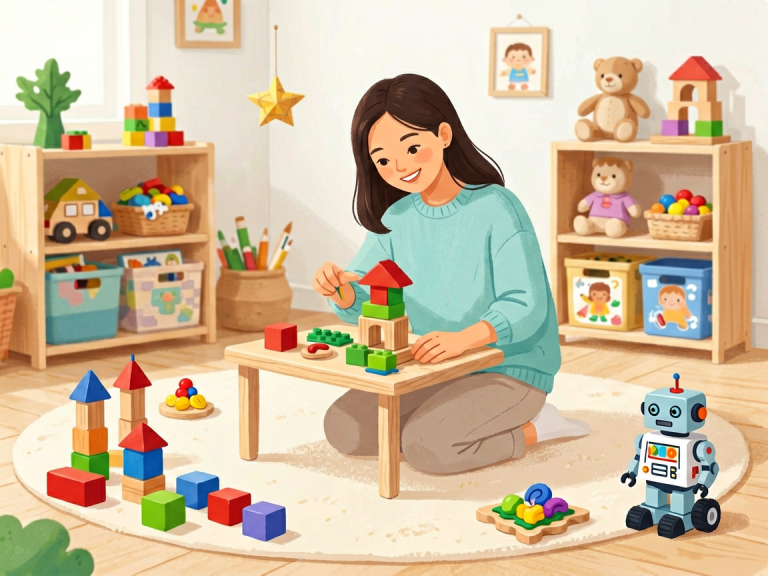
Building toys are a cornerstone of early childhood development because they engage multiple domains at once. When a child picks up a block, they are not just handling an object—they are exploring concepts of balance, symmetry, weight, and gravity. They are practicing fine motor skills as they grasp, align, and press pieces together. They are learning spatial awareness as they visualize how parts fit into a whole. And when a tower inevitably falls, they are developing resilience and the scientific method: “What went wrong? Let me try a wider base this time.”
Research consistently shows that constructive play supports executive function—the set of mental skills that includes planning, focusing attention, and self-control. Children who regularly engage with building toys tend to perform better in mathematics and engineering-related tasks later in life. But perhaps most importantly, building toys foster a growth mindset. A child who builds something new every day learns that mistakes are just steps toward improvement, and that persistence pays off.
Choosing the Right Building Toys by Age and Stage
One of the most common mistakes parents make is buying toys that are too advanced or too simple for their child’s current abilities. A frustrated toddler cannot enjoy a complex LEGO set designed for a ten-year-old, while a seven-year-old may quickly lose interest in oversized foam blocks. Here is a breakdown of what works best at each stage.
Ages 1–3: Sensory Exploration and Simple Stacking
For infants and toddlers, the goal is sensory stimulation and gross motor control. Look for large, lightweight blocks made of soft fabric, cardboard, or smooth wood. They should be easy to grasp and safe to mouth. Classic wooden unit blocks (like those from Melissa & Doug) are excellent because they come in standard shapes—rectangles, squares, triangles—and introduce basic geometry without overwhelming complexity. At this stage, children will simply stack and knock down, but that repetitive action teaches cause and effect. Avoid small pieces that pose choking hazards.
Ages 3–5: Imaginative Construction and Early Problem-Solving
Preschoolers are ready for more variety. Magnetic tiles (such as Magna-Tiles or PicassoTiles) are a fantastic choice because they click together easily, allowing young builders to create 3D structures without the frustration of aligning traditional blocks. These toys also introduce basic principles of magnetism and geometry. LEGO Duplo sets, with their larger bricks, encourage imaginative play—build a house for a dinosaur, a bridge for a toy car. At this age, children benefit from open-ended sets rather than kits with strict instructions. The process of deciding what to build is more valuable than the final product.
Ages 6–8: Structured Challenges and Early Engineering
As children enter elementary school, their fine motor skills and attention spans grow. Traditional LEGO bricks (the standard size) become perfect for more detailed creations. You can introduce themed sets (space stations, castles, vehicles) that come with step-by-step instructions, which teach following directions and sequencing. But do not neglect free building—keep a bin of loose bricks accessible. This is also the age when construction sets with gears, pulleys, and axles become appealing. Products like K’NEX or LEGO Technic allow children to build moving machines, introducing basic mechanical principles. Another excellent option is wooden marble runs, which combine building with physics—children design tracks and watch marbles roll, testing angles and momentum.
Ages 9–12: Advanced Engineering and Creative Mastery
Older children can tackle more sophisticated projects. Robotic kits (such as LEGO Mindstorms or Sphero Bolt) integrate coding with building, teaching logic and programming. For those who love architecture, consider magnetic building sets with intricate geometric shapes (like Geomag) or modular blocks that allow for massive structures. At this stage, children can also explore digital building through apps that simulate construction—but physical toys remain crucial for developing tactile feedback and patience. The key is to follow the child’s interests: a budding engineer might love a set that builds a working crane; an artist might prefer a architectural model of a famous building.
Beyond Blocks: Diverse Types of Building Toys
While classic blocks and bricks are the foundation, the building toy world is wonderfully diverse. Here are a few categories worth knowing about:
- Magnetic Construction Sets: Tiles with embedded magnets (like Magna-Tiles) allow for quick and stable 3D creations. They are especially good for younger children because they remove the frustration of balancing.
- Interlocking Discs and Straws: Products like Strawbees or Plus-Plus offer flexible connectors that let children build in curves and organic shapes. They encourage creativity beyond rigid cube-like structures.
- Wooden Peg and Board Sets: Think Lincoln Logs or classic Tinker Toys. These are excellent for teaching structural integrity and are often more sustainable than plastic options.
- Foam and Cardboard Kits: For very young children or for large-scale projects, consider foam building blocks or cardboard construction sets. They are lightweight and allow for life-sized creations, like a playhouse or a rocket ship.
- Eco-Friendly Options: Many parents now seek sustainable toys made from bamboo, recycled plastic, or FSC-certified wood. Brands like Hape or Green Toys offer building sets that are non-toxic and durable.
Tips for Parents: Maximizing the Learning Potential
You have bought the toys. Now what? The way you interact with your child during building time can dramatically enhance the benefits.
1. Ask Open-Ended Questions
Instead of saying, “That’s a nice tower,” try: “How did you decide to make the base wider?” or “What do you think will happen if you put that big block on top?” These questions encourage critical thinking and verbal expression.
2. Embrace Failure
When a structure collapses, resist the urge to fix it immediately. Say, “Oh, it fell! What could we try differently?” Let your child experiment with trial and error. This builds a scientific attitude and emotional resilience.
3. Provide a “Construction Zone”
Designate a flat surface or a large tray where your child can build without interference. Having a dedicated space reduces frustration from accidental knocks and teaches organization. Some parents use a shallow bin to contain loose pieces.
4. Rotate Toys
Children can become bored with the same sets. Introduce new building toys every few weeks or put some away for a “surprise” rotation. This keeps the play fresh and encourages re-engagement.
5. Combine with Other Subjects
Use building toys to teach math (count bricks, measure height), literacy (build a scene from a story), or geography (build a famous landmark). This makes learning interdisciplinary and fun.
6. Let Them Lead
Even if your child’s creation looks messy or “wrong,” resist imposing your own design ideas. The process of self-directed play is far more valuable than a polished final product.
Safety Considerations Every Parent Should Know
Building toys are generally safe, but a few precautions are essential:
- Choking Hazards: Always check age recommendations. Small pieces (like LEGO minifigures or tiny magnets) should be kept away from children under three. Use a choking hazard tube or gauge if unsure.
- Magnetic Dangers: If a child swallows multiple magnets, they can cause serious internal injuries. Supervise younger children around magnetic sets and never allow them to put pieces in their mouths.
- Sharp Edges and Small Parts: Inspect wooden toys for splinters or rough edges. Plastic sets should be free of sharp burrs. Discard any broken pieces immediately.
- Non-Toxic Materials: Look for labels like ASTM (American Society for Testing and Materials) or EN71 (European safety standard). Avoid toys with strong chemical smells, which may indicate harmful phthalates or lead.
- Storage and Cleanliness: Keep building toys in a clean, dry place. Wash plastic bricks occasionally with mild soap and water. Wooden blocks should be wiped with a damp cloth—never soak them, as wood can warp.
Conclusion
Building toys are one of the few categories of playthings that grow with your child, from the simplest wooden block to a programmable robot. They nurture creativity, logical thinking, persistence, and joy. As a parent, you have the wonderful opportunity to curate a selection of building toys that match your child’s developmental stage and personal interests—and then step back and watch them create worlds. Remember, the true value of these toys lies not in the finished structure, but in the process: the planning, the trial, the failure, the triumph. So gather some blocks, sit on the floor, and build together. You might be surprised at what you learn, too.