Beyond the Glowing Screen: A Comparative Analysis of Screen-Free Toys and App-Based Toys
Introduction
In the modern era of parenting, few decisions spark as much debate as the choice between traditional screen-free toys and their app-based counterparts. Walk into any toy store, and you will find shelves lined with colorful wooden blocks, puzzles, dolls, and construction sets—timeless staples that have entertained generations. Yet, right next to them, tablets draped in child-friendly cases and interactive apps promise a world of digital learning and endless engagement. As children spend an increasing number of hours staring at screens, parents and educators alike are asking: which type of toy truly serves a child’s development best? This article delves into a comprehensive comparison of screen-free toys and app-based toys, examining their respective impacts on cognitive growth, social skills, creativity, physical activity, and overall well-being. While both categories have their merits, a clear understanding of their differences can help caregivers make informed choices that balance tradition with technology.
The Enduring Charm and Benefits of Screen-Free Toys
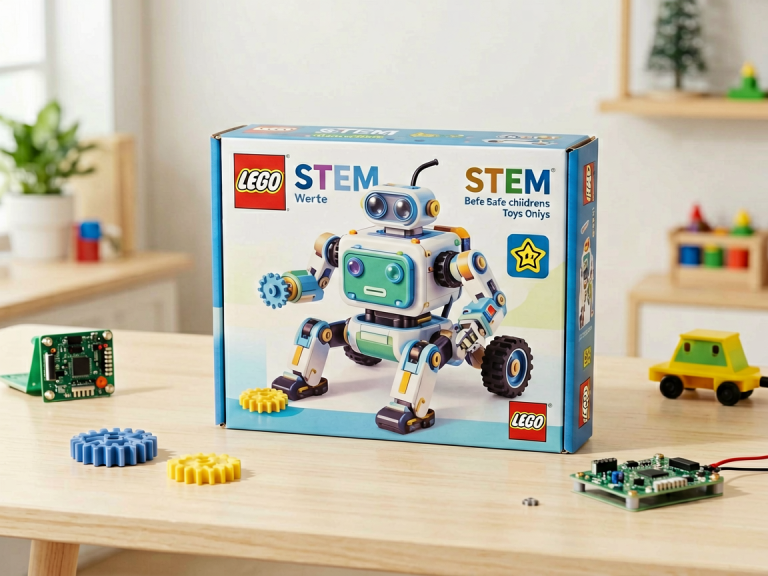
Screen-free toys—ranging from classic building blocks and board games to art supplies and outdoor play equipment—have been the bedrock of childhood for centuries. Their primary strength lies in their open-ended nature. A set of wooden blocks, for instance, can transform into a castle one day, a spaceship the next, and a bridge the day after. This flexibility encourages imaginative play, which is crucial for developing executive functions such as planning, problem solving, and self-regulation. Without a predefined script or a digital guide telling the child what to do, the child must create their own narrative, experiment with cause and effect, and learn to manage frustration when a tower collapses.
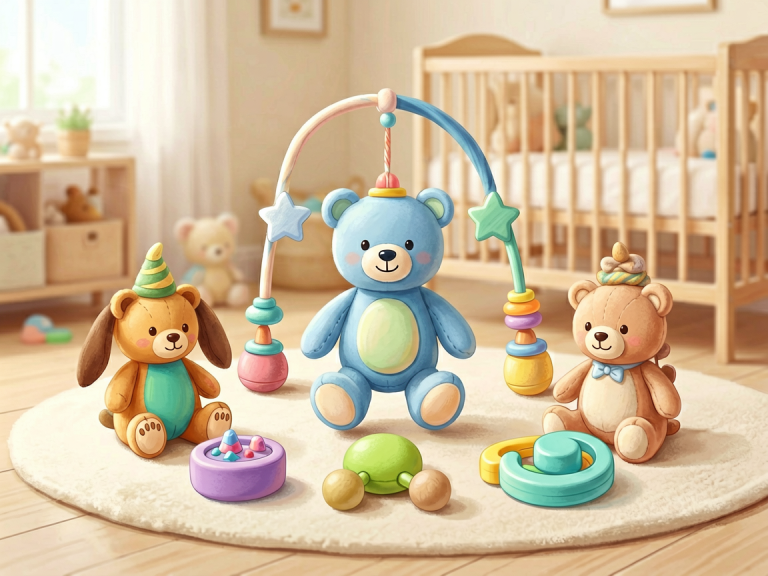
Moreover, screen-free toys engage multiple senses simultaneously. The texture of a plush toy, the weight of a wooden car, the sound of a rattle—these tactile experiences stimulate neural connections that app-based interactions cannot replicate. Research in developmental psychology has consistently shown that hands-on manipulation of objects strengthens fine motor skills and hand-eye coordination far more effectively than tapping on a glass screen. For example, threading beads, stacking rings, or drawing with crayons requires precise muscle control that builds the foundation for later handwriting and tool use.
Socially, screen-free toys foster real-world interaction. When two children play with a set of trains or a dollhouse, they must negotiate roles, share resources, and communicate verbally. These interactions teach empathy, turn-taking, and conflict resolution in a natural, unmediated setting. In contrast, even the best-designed app often isolates the child in a solitary digital space, or at best, connects them through a screen rather than face to face. A 2019 study published in *JAMA Pediatrics* found that children who spent more time with traditional toys exhibited better social understanding and emotional regulation compared with those who relied heavily on digital play.
The Allure and Potential Pitfalls of App-Based Toys
App-based toys—defined as digital games or interactive experiences delivered via tablets, smartphones, or dedicated learning devices—have exploded in popularity over the past decade. Their advocates point to several compelling advantages. First, they can adapt to a child’s individual learning pace. Many educational apps use artificial intelligence to adjust difficulty levels in real time, offering personalized challenges that keep children engaged without overwhelming them. For instance, a reading app might introduce new vocabulary only after the child has mastered previous words, creating a tailored curriculum that static toys cannot provide.
Second, app-based toys offer instant feedback and gamification, which can be highly motivating. A child who completes a math puzzle receives a congratulatory animation, a star, or a new level to unlock. This reward system can reinforce learning and encourage persistence, especially for children who struggle with delayed gratification. Additionally, digital toys can expose children to content that would be impossible with physical objects—such as exploring the solar system by rotating a 3D model, or simulating chemical reactions without any mess or danger.
However, these benefits come with significant drawbacks. The most glaring concern is excessive screen time. The American Academy of Pediatrics recommends no more than one hour of high-quality digital media per day for children aged two to five, yet many children far exceed this limit. Prolonged screen exposure has been linked to sleep disruption, reduced attention span, and a higher risk of obesity due to sedentary behavior. Moreover, app-based toys often lead to passive consumption rather than active creation. Many games funnel the child into a linear path of pre-programmed choices, leaving little room for true creativity. A child playing a digital drawing app may tap colors from a palette, but they miss the sensory experience of smearing real finger paint or feeling the resistance of a crayon on paper.
Another critical issue is the erosion of real-world social skills. While some app-based toys allow for multiplayer modes, the interaction is mediated and often lacks the nuance of face-to-face communication. Non-verbal cues—eye contact, tone of voice, body language—are almost entirely absent. Children who spend more time on app-based play may struggle to read social signals in real-life settings. Furthermore, the commercial nature of many apps raises ethical concerns: in-app purchases, advertisements, and data collection are common, turning playtime into a commercial transaction rather than a pure developmental experience.
Cognitive and Developmental Impacts: A Closer Look
When comparing the cognitive effects of the two toy categories, it is essential to consider the type of engagement they promote. Screen-free toys are predominantly divergent—they allow multiple solutions and encourage exploration. For example, a set of magnetic tiles can be arranged into countless shapes; there is no single "correct" answer. This divergent play fosters what psychologists call "associative thinking" and creativity, which are predictive of later academic and career success in innovation-driven fields. Conversely, many app-based toys are convergent—they require the child to produce a specific output (e.g., matching a shape, tapping the correct answer) to progress. While convergent thinking is also valuable, an overreliance on it can limit a child’s ability to think outside the box.
Memory and attention also differ. Screen-free toys demand sustained focus on a single object for extended periods, a skill known as "active attention." A child building a LEGO castle may work for an hour without interruption. In contrast, app-based toys often feature rapid scene changes, flashing animations, and sound effects that fragment attention. Neuroimaging studies have shown that overstimulation from digital media can rewire the developing brain to expect constant novelty, making it harder for children to concentrate on less stimulating tasks like reading a physical book or listening to a teacher.
Physical development is another dimension. Screen-free toys encourage gross motor activity—running, jumping, climbing, throwing—whereas app-based toys typically keep children stationary. The World Health Organization emphasizes that children under five should engage in at least 180 minutes of physical activity daily, including a mix of play and structured exercise. Screen-heavy playtime directly competes with this requirement, contributing to the global rise in childhood sedentary behavior and associated health problems.
Practical Considerations: Cost, Durability, and Parental Involvement
From a practical standpoint, screen-free toys often represent a better long-term investment. A high-quality wooden puzzle can last for years and be passed down to siblings, while a digital app may require monthly subscriptions or become obsolete after a software update. Battery life, screen breakage, and the need for internet connectivity are real-world hassles that parents of app-based toys must manage. Moreover, screen-free toys do not require the parent to monitor screen time limits, negotiate over device usage, or worry about exposure to inappropriate content.
However, app-based toys can be more portable and accessible. A single tablet loaded with educational apps can replace a suitcase full of physical toys during travel, and it can provide quiet entertainment in waiting rooms or restaurants. Yet this convenience comes with a hidden cost: diminished opportunities for parent-child interaction. Many screen-free toys naturally invite collaborative play—a board game, a puzzle, or a ball game all require a partner. App-based toys, by contrast, often serve as a "digital babysitter," substituting rather than supplementing adult engagement. Studies indicate that the quality of parent-child conversation during app play is lower than during physical toy play, with fewer back-and-forth exchanges and less descriptive language.
Finding a Balance: Recommendations for Parents
The evidence suggests that neither category is inherently superior; rather, the optimal approach is a deliberate, balanced integration of both. Screen-free toys should form the foundation of a child’s play diet, especially for children under three. For toddlers and preschoolers, open-ended materials such as blocks, art supplies, sensory bins, and outdoor play equipment are irreplaceable. Parents should prioritize toys that match the child’s developmental stage and interests, and rotate them to maintain novelty without relying on digital stimulation.
When app-based toys are introduced, parents should follow several guidelines: choose apps that are ad-free, non-commercial, and designed by child-development experts; limit usage to the recommended time; and engage with the child during digital play by asking questions and connecting the app content to real-world experiences. For example, after a child plays a nature identification app, take them outside to find the same leaves or insects. In this way, the app serves as a springboard for tangible exploration rather than an end in itself.
Conclusion
The debate between screen-free and app-based toys is not a battle of good versus evil but a nuanced conversation about the kind of childhood we wish to cultivate. Screen-free toys offer irreplaceable benefits for sensory, motor, social, and creative development, fostering a deeper connection to the physical world and to other people. App-based toys, when used judiciously, can provide personalized learning, instant feedback, and access to content that would otherwise be inaccessible. The key lies in conscious parenting—recognizing that a toy, regardless of its form, is merely a tool. It is the quality of the interaction, the presence of a caring adult, and the space given for unstructured play that ultimately determine its value. By prioritizing screen-free play while selectively incorporating digital tools, we can raise children who are both technologically literate and deeply human, capable of building castles in the sand as well as navigating the digital cosmos.