Wooden vs. Plastic Toys for 2-Year-Olds: A Developmental and Practical Comparison
—
Introduction
Choosing the right toys for a two-year-old is more than a matter of personal taste; it is a decision that can influence a child's sensory development, motor skills, imagination, and even their relationship with the environment. At this tender age, toddlers are rapidly absorbing the world through their senses. They touch, mouth, throw, stack, and explore every object within reach. Two broad categories dominate the market: wooden toys and plastic toys. Each has passionate advocates and vocal critics. Some parents swear by the timeless charm and natural feel of wood, while others appreciate the colorful versatility and affordability of plastic. To make an informed choice, it is essential to examine both types from multiple angles — safety, developmental benefits, environmental impact, durability, and cost — while keeping the specific needs of a two-year-old in mind. This article provides a thorough comparison to help parents, caregivers, and educators decide what is best for their toddlers.
—
Safety Considerations
Wooden Toys: Fewer Chemicals, Less Noise
Wooden toys made from untreated or non-toxic-finished hardwoods (like beech, maple, or oak) are generally free from the phthalates, BPA, and other harmful additives that sometimes appear in cheap plastic toys. For a two-year-old who is still mouthing objects, this is a significant advantage. Wood also tends to be heavier and more stable, reducing the risk of tipping over when a toddler pushes or pulls it. However, parents must check for splinters, sharp edges, and small detachable parts (such as beads on a string) that could become choking hazards. High-quality wooden toys are sanded smooth and coated with water-based, child-safe paints or waxes, making them quite safe when purchased from reputable brands.
Plastic Toys: Lightweight but Chemical Concerns
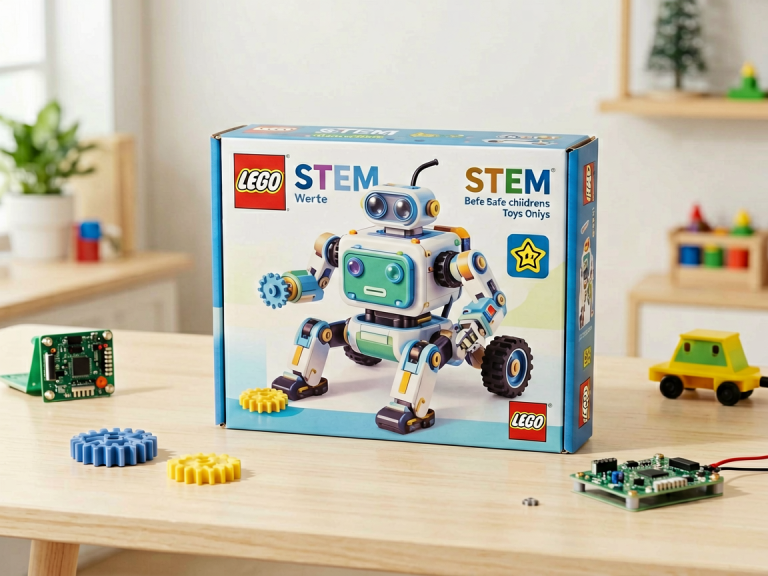
Plastic toys can be extremely lightweight, which is a double-edged sword. A two-year-old can easily carry a large plastic block set, but a thin plastic car may shatter on impact, creating sharp shards. Moreover, many inexpensive plastic toys contain volatile organic compounds (VOCs) or heavy metals in their pigments, especially if they are not certified by safety standards like ASTM or EN71. Sound-producing plastic toys can also be dangerously loud — a study by the American Speech-Language-Hearing Association warns that some toy squeakers and electronic sound modules emit noise levels above 85 decibels, which can harm a toddler’s developing hearing. While many premium plastic brands (e.g., Lego Duplo, Melissa & Doug’s plastic line, or Green Toys made from recycled milk jugs) meet strict safety regulations, the market is flooded with cheap imports that bypass testing.
Verdict on Safety: High-quality wooden toys have a slight edge because of their natural material and lower risk of chemical leaching, but parents must inspect both types meticulously.
—
Developmental Benefits: Sensory, Motor, and Cognitive
Wooden Toys: Rich Sensory Experience
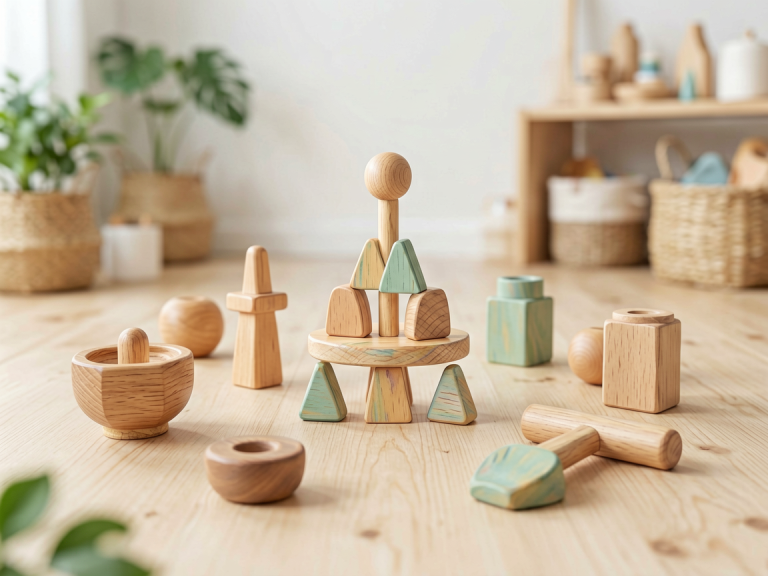
Wood offers a unique tactile and olfactory experience. The weight, grain, and subtle warmth of wood provide rich sensory feedback that plastic cannot replicate. For a two-year-old, holding a smooth wooden block encourages a natural grasp and the development of fine motor control. Wooden puzzles with chunky knobs help strengthen the pincer grip. Many wooden toys are also open-ended — a set of simple wooden blocks can become a tower, a bridge, a house, or a road. This flexibility fosters creativity, problem-solving, and spatial reasoning. Because wood doesn’t have flashing lights or pre-recorded sounds, the child must invent the narrative, which is crucial for cognitive development and language acquisition. Montessori and Waldorf educators favor wooden toys precisely because they “leave room for the child’s imagination.”
Plastic Toys: Bright Colors and Cause-Effect Learning
Plastic toys can be very engaging for a two-year-old, especially those that incorporate bright, contrasting colors and interactive elements. Shape sorters with molded plastic pieces, stacking cups with ridged edges, and toys with buttons that produce gentle sounds teach cause and effect. Plastic building bricks (like Duplo) allow for easy connection and disconnection, which helps develop bilateral coordination. However, many plastic toys are highly prescriptive — a plastic fire truck with a flashing light and siren suggests a specific play scenario, leaving little room for divergent thinking. Over-reliance on electronic plastic toys can also lead to shorter attention spans, as toddlers may become passive viewers rather than active creators.
Verdict on Development: Wooden toys generally promote deeper imaginative play and sensory integration, while plastic toys can be excellent for teaching cause-and-effect. A balanced mix is ideal.
—
Environmental Impact and Durability
Wooden Toys: Sustainable and Long-Lasting
When sourced from responsibly managed forests (look for FSC certification), wooden toys are biodegradable and have a much smaller carbon footprint than plastic. A well-crafted wooden toy can last for generations — many families pass down wooden trains and blocks from one child to the next. There is no battery waste, and if a piece breaks, it can often be glued or sanded back to life. The downside is that wood is susceptible to moisture; if left in a damp playroom, it may warp or grow mold. But with proper care (wiping with a dry cloth, avoiding soaking), wooden toys can outlast most plastic ones by years.
Plastic Toys: Convenient but Problematic for the Planet
Most plastic toys are made from non-renewable petroleum, and they rarely biodegrade. Even recycled plastics (like HDPE) may break down into microplastics over time, which is a growing environmental concern. Plastic toys often contain electronic components that require batteries, and when they break (which they frequently do because plastic corners crack or hinges snap), they are typically thrown away. The bright colors may fade, and the surface can become sticky or discolored. However, plastic toys are lighter and easier to sanitize with a bleach wipe — a practical advantage in daycare settings.
Verdict on Durability: Wooden toys win for longevity and sustainability; plastic toys offer convenience in cleaning but are generally less durable and less eco-friendly.
—
Cost and Accessibility
Wooden Toys: Higher Upfront Investment
Quality wooden toys are more expensive to manufacture, and this cost is passed to the consumer. A set of 25 unpainted wooden blocks might cost $30–$50, while a comparable plastic block set might be $15–$20. For families on a tight budget, the price difference can be discouraging. However, the long-term value must be considered: a single wooden puzzle can entertain a two-year-old for months and later serve as decoration or a younger sibling’s toy. Many Montessori and boutique brands also offer beautiful wooden toys that double as home décor, appealing to aesthetically minded parents.
Plastic Toys: Wide Range of Prices
Plastic toys dominate discount stores, dollar stores, and big-box retailers. A bag of plastic toy cars or action figures can cost just a few dollars. For families who need to stock a playroom quickly, plastic is undeniably affordable. Yet the low price often correlates with low quality: the toys may break within weeks, leading to replacement costs that add up. Additionally, plastic toys with batteries can become expensive if they need frequent battery changes. In the long run, a curated collection of good wooden toys may actually be more economical than replacing cheap plastic toys every few months.
Verdict on Cost: Wooden toys require a higher initial investment but offer better long-term value; plastic toys are cheap upfront but may need frequent replacement.
—
The Role of Imagination and Open-Ended Play
For a two-year-old, the brain is developing neural connections at an astonishing rate. The American Academy of Pediatrics emphasizes the importance of unstructured, open-ended play — play that has no single correct outcome — for healthy development. Wooden toys excel in this area. A simple wooden arch can represent a bridge, a rainbow, a tunnel, or a cradle. A set of wooden rings can be stacked, counted, or rolled. This ambiguity is precisely what a toddler’s mind needs to build symbolic thinking, which is the foundation of later language and mathematical skills.
Plastic toys, especially those with branded characters (e.g., Paw Patrol, Peppa Pig) or fixed electronic functions, tend to dictate play. The toy’s script is already written — the toddler is merely an operator. While there is a place for this kind of play (e.g., learning to press a button to elicit a response), too much of it can stifle creativity. Research suggests that children who play with more open-ended toys score higher on measures of divergent thinking. Therefore, for a two-year-old who is just beginning to engage in make-believe, wooden toys are often the superior choice.
—
Practical Tips for Parents
- Combine both types. A balanced playroom might include wooden blocks, a wooden puzzle, and a plastic shape sorter, along with a few battery-free plastic stacking cups.
- Check for certifications. Look for EN71 (European), ASTM (American), or CPSIA compliance. For wooden toys, ensure paints are water-based and lead-free.
- Avoid small parts. For two-year-olds, any toy with parts smaller than a toilet paper roll’s opening is a choking hazard, regardless of material.
- Prioritize durability. Inspect wooden toys for splinters; check plastic toys for sharp seams or loose batteries.
- Follow the child’s lead. Some toddlers are naturally drawn to the bright colors of plastic, while others prefer the earthy feel of wood. Observe what engages your child most.
- Rotate toys. Rather than overwhelming a toddler with dozens of choices, rotate a small selection of wooden and plastic toys every few weeks to maintain novelty and deepen engagement.
—
Conclusion
There is no absolute winner in the wooden-versus-plastic debate, because the best toy for a two-year-old depends on many factors: safety, developmental goals, budget, and environmental values. Wooden toys excel in sensory richness, longevity, sustainability, and open-ended play — qualities that align perfectly with the needs of a growing toddler’s brain. Plastic toys, particularly those that are thoughtfully designed, offer convenience, bright colors, and affordable entry points, but they carry potential risks regarding chemicals, durability, and over-stimulation.
Ultimately, the most effective approach is a thoughtful blend. Invest in a core set of high-quality wooden toys (blocks, puzzles, stacking rings) that will grow with the child, and supplement with a few sturdy plastic items that encourage fine motor skills or cause-effect learning. Avoid cheap, battery-operated plastic toys that beep and flash incessantly; instead, choose simple, well-made plastic toys from trusted brands. By being a mindful consumer, you can create a play environment that nurtures your two-year-old’s curiosity, creativity, and safety — regardless of whether the toy is made from wood or plastic.