Wooden vs. Plastic Toys for 11-Year-Olds: Which Builds Better Minds and Healthier Habits?
The debate over wooden versus plastic toys has been a staple of parenting forums for decades. When the child in question is an 11-year-old, however, the conversation takes on new dimensions. At this age, children are no longer toddlers who stuff objects into their mouths, nor are they fully-fledged teenagers with sophisticated hobbies. They stand in a delicate middle ground—one foot in childhood and one in adolescence. Their play is increasingly complex, social, and often digital, yet the tangible objects they interact with still shape their cognitive development, creativity, and values. This article explores the strengths and weaknesses of both wooden and plastic toys for 11-year-olds, offering a balanced perspective to help parents, educators, and gift-givers make informed choices.
—
The Developmental Stage of an 11-Year-Old
To evaluate any toy’s suitability, we must first understand the typical 11-year-old’s needs. Children at this age are developing abstract thinking, problem-solving skills, and a stronger sense of independence. They engage in intricate group games, enjoy strategy-based activities (chess, card games, complex board games), and often show interest in building, crafting, or tinkering. Many are also beginning to explore their own identities, which may manifest in a desire for collectibles, fandom-related merchandise, or tools that allow self-expression. Their fine motor skills are well developed, but they still benefit from activities that refine hand-eye coordination and spatial reasoning. Crucially, this is also an age when environmental awareness begins to take root; many 11-year-olds are exposed to discussions about sustainability in school and may express opinions about plastic waste or deforestation. A toy’s material, therefore, is not merely a matter of durability or cost—it can communicate values and influence how a child perceives the world.
—
The Case for Wooden Toys: Timeless Quality and Cognitive Benefits
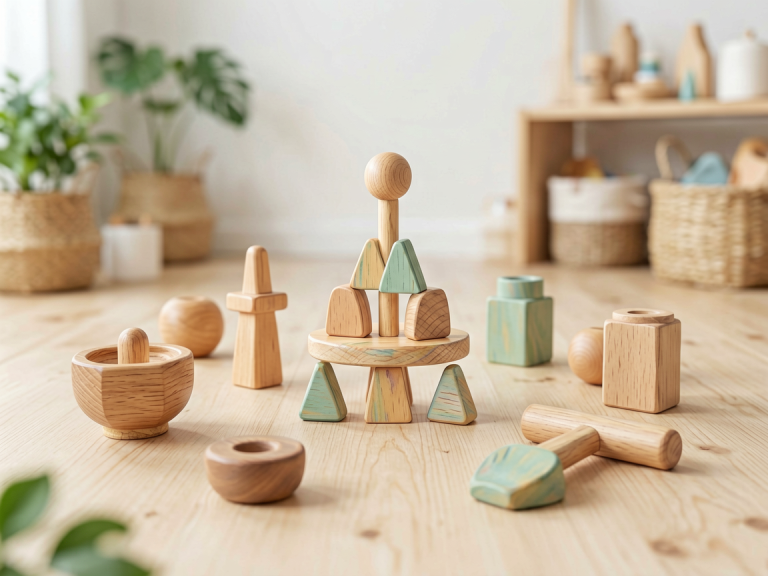
Wooden toys have a storied reputation for durability, safety, and aesthetic appeal. For an 11-year-old, they can take forms far beyond the simple blocks and rattles of infancy. Consider high-quality wooden construction kits (like Kapla or unit blocks), marble runs, geometric puzzles, or even wooden model-building sets for architecture or vehicles. These toys offer several unique advantages.
First, sensory and tactile engagement. Wood has a natural warmth, weight, and texture that plastic rarely replicates. Handling a smooth wooden piece requires a different kind of motor precision—slightly more deliberate, more responsive to pressure. For an 11-year-old whose fine motor control is still refining, working with wooden components can improve grip strength and dexterity in a subtle but meaningful way. Moreover, the lack of flashing lights and electronic sounds forces the child to rely on imagination and manual manipulation. A wooden marble run, for instance, demands that the child understand gravity, momentum, and cause-and-effect through trial and error—not through a screen telling them the answer.
Second, open-ended play and creativity. Unlike many plastic toys that come with predetermined functions (a plastic spaceship that shoots a specific missile, a video game controller with fixed buttons), wooden toys often encourage the child to invent their own rules. A set of wooden geometric shapes can become a city, a physics experiment, or a piece of abstract art. This aligns beautifully with the developmental need for problem-solving and executive function at age 11. Research in early childhood education has long supported open-ended play for developing creativity, but the benefits persist into preadolescence. When a child must decide how to balance a wooden tower or how to create a stable bridge with limited pieces, they are exercising planning, spatial reasoning, and patience.
Third, durability and heirloom potential. A well-made wooden toy can survive decades of use and even be passed down to younger siblings. For a family that values minimalism or sustainability, a single wooden construction set that lasts through multiple childhoods is far more eco-friendly than three successive plastic toys that crack and are discarded. This longevity also teaches the 11-year-old a lesson in stewardship: caring for something that is built to last fosters respect for possessions.
However, wooden toys have limitations. They can be expensive upfront, and for an 11-year-old who craves sophisticated mechanisms or that tactile feedback of a clicking plastic button, wood may feel “old-fashioned.” Many wooden toys also lack the interactive features—lights, sounds, digital integration—that capture the attention of a child raised in a media-saturated world. Furthermore, if a wooden toy breaks, splinters can be a safety hazard, though high-end brands sand and seal their products meticulously.
—
The Case for Plastic Toys: Versatility and Modern Engagement
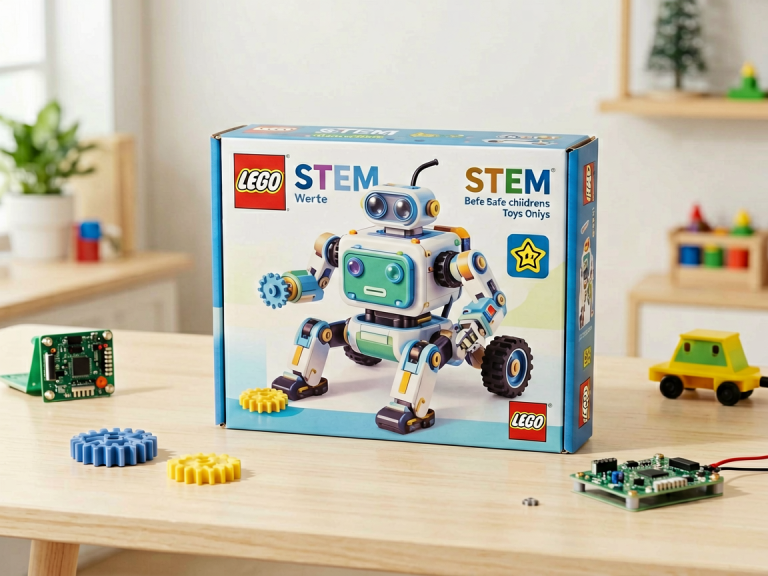
Plastic toys dominate the global market for a reason: they are lightweight, colorful, moldable into virtually any shape, and can integrate technology seamlessly. For an 11-year-old, plastic often means complexity, customization, and social connection. Consider plastic construction sets like Lego Technic, which include gears, axles, and motors, allowing kids to build working mechanisms like a crane or a race car. For a child fascinated by engineering, this is far more stimulating than a static wooden block. Plastic also enables the creation of highly detailed figurines, board game pieces, and collectible trading cards—all of which tap into the 11-year-old’s emerging interest in categorization, fantasy, and peer-based play.
Another major advantage is affordability and accessibility. Plastic toys are cheaper to mass-produce, so parents can purchase multiple sets without breaking the bank. They are also widely available in every toy aisle, from low-cost impulse items to premium branded kits. This accessibility can be important for children who want to participate in trends (e.g., a specific building kit that all their friends are playing with). Social play is critical at age 11; a plastic toy that aligns with a popular franchise—Star Wars, Harry Potter, Minecraft—can facilitate bonding and cooperative play in ways that a generic wooden puzzle might not.
Moreover, plastic toys can incorporate educational technology. Interactive robots, coding kits, and electronic learning boards are almost exclusively made of plastic because they require circuitry, batteries, and sensors. For an 11-year-old interested in STEM, these toys can teach programming logic and electronics principles. Wood simply cannot house a microprocessor. So if the goal is to prepare a child for a tech-driven future, certain plastic toys offer a direct pathway.
On the downside, plastic toys have serious environmental and health concerns. Many cheap plastic toys contain phthalates, BPA, or other chemicals that can leach over time. Even high-quality plastics degrade after exposure to sunlight or repeated use, often becoming brittle and sharp. The sheer volume of plastic waste from broken or discarded toys is staggering—a 2022 study by the Swiss Federal Institute of Technology estimated that over 90% of plastic toys end up in landfills or incinerators. For an environmentally conscious 11-year-old, this can be disheartening. Furthermore, plastic toys tend to have shorter lifespans; once a plastic gear strip or a tiny clip breaks, the entire piece becomes useless because it cannot be repaired as easily as wood. The constant need for replacement can also encourage a throwaway mentality.
—
Environmental and Safety Considerations
When choosing between wood and plastic for an 11-year-old, the environmental impact is a significant factor that resonates with many families today. Wooden toys, when sourced from sustainably managed forests and finished with non-toxic paints or oils, have a much lower carbon footprint than plastic. They are biodegradable and can be recycled into particleboard or composted (if free of synthetic coatings). However, not all wooden toys are equal; cheap imported wooden toys may be made from fast-growing timber treated with questionable chemicals. Always look for certifications like FSC (Forest Stewardship Council) and non-toxic labels.
Plastic toys, on the other hand, are almost always derived from fossil fuels. Their production emits greenhouse gases, and their disposal is problematic. Recycling plastic toys is notoriously difficult because they are often made from mixed resins or contain metal components. That said, some companies now produce toys from recycled plastic (e.g., Green Toys), which is an improvement but still not a closed-loop system. For an 11-year-old, discussing these trade-offs can be a valuable lesson in critical thinking and ethical consumption.
Safety is another dimension. Wood is naturally antimicrobial, whereas plastic can harbor bacteria in crevices if not cleaned regularly. But wood can splinter if damaged, while plastic can snap into sharp shards. For an 11-year-old who is generally careful, the risk is low for both, but parents should inspect toys periodically.
—
Practical Advice for Parents
Given the strengths and weaknesses of each material, the best approach is rarely an all-or-nothing choice. Instead, consider a balanced toy box that leverages the best of both worlds. Here are some practical guidelines:
- Prioritize open-ended construction toys in wood or high-quality plastic. A set of wooden blocks or a plastic gear-building kit each offers unique learning opportunities. If budget permits, invest in one premium wooden set that will last for years, and supplement with plastic kits that align with your child’s current passions.
- Encourage digital and physical play coexistence. An 11-year-old can enjoy a plastic coding robot (e.g., Lego Mindstorms) for screen-based learning, while also building a wooden birdhouse or a model bridge for hands-on engineering.
- Make sustainability a conversation. Involve your child in the decision: explain why you choose a wooden toy from a responsible source, or why you buy a durable plastic set instead of a cheap one that will break. Let them research materials online and form their own opinions.
- Consider the child’s temperament. If your child is rough on toys or prone to losing pieces, plastic’s lightweight nature might be more forgiving (and less painful if stepped on). If your child values aesthetics, craftsmanship, or sensory experiences, wooden toys will likely feel more special.
- Avoid extremes. Steer clear of ultra-cheap plastic toys that smell of chemicals or have sharp edges. Similarly, avoid untreated wooden toys that could stain or splinter. Quality matters more than material.
—
Conclusion
The choice between wooden and plastic toys for an 11-year-old is not a binary battle but a nuanced decision that depends on the child’s interests, the family’s values, and the specific toy’s design. Wooden toys excel in durability, tactile richness, and environmental friendliness, fostering patience and creativity. Plastic toys shine in technological integration, affordability, and social relevance, enabling the kind of complex, interactive play that appeals to modern preteens. Neither is inherently superior; both have roles in a well-rounded childhood. The wisest path is to curate a collection that respects the material’s strengths, teaches mindfulness about consumption, and above all, delights the unique individual that is your 11-year-old. After all, the best toy is not the one made of wood or plastic—it is the one that sparks joy, curiosity, and a lifelong love of learning.