Wooden Toys vs. Plastic Toys: A Timeless Comparison of Material, Mind, and Planet
Introduction
In the vast and colorful landscape of children’s toys, few debates are as enduring as the one between wooden toys and plastic toys. Parents, educators, and environmentalists alike have weighed the merits of these two dominant categories for decades. On one side, wooden toys evoke nostalgia, craftsmanship, and a connection to nature. On the other, plastic toys promise bright colors, intricate engineering, and affordability. Yet the choice is far from merely aesthetic—it touches on child development, safety, environmental sustainability, and even economic reasoning. This article explores the multifaceted comparison between wooden and plastic toys across several critical dimensions, aiming to provide a balanced, evidence-based perspective that helps readers make informed decisions.
Environmental Impact: Biodegradability and Sustainability
The environmental footprint of a toy begins long before it reaches a child’s hands. Wooden toys, when sourced from sustainably managed forests (certified by organizations like the Forest Stewardship Council), are a renewable resource. They can be biodegradable, meaning that at the end of their life cycle, they will decompose naturally without leaving toxic residues in landfills. Even the paints and finishes used on quality wooden toys are increasingly made from water-based, non-toxic materials. In contrast, most plastic toys are derived from petroleum or natural gas—finite fossil fuels. Their production generates significant greenhouse gas emissions, and the vast majority are not recyclable due to mixed materials, small components, or low-grade plastics. Once discarded, plastic toys can persist in the environment for hundreds of years, breaking down into microplastics that contaminate soil and water. Furthermore, the manufacturing process of plastics often involves chemicals such as bisphenol A (BPA) and phthalates, which pose risks not only during production but also during use and disposal. From a planetary perspective, wooden toys hold a clear advantage in terms of renewability, biodegradability, and lower carbon footprint, provided they are sourced responsibly.
Safety and Toxicity: Natural vs. Synthetic Materials
Safety is paramount for any child’s plaything. High-quality wooden toys are typically made from solid hardwoods like maple, beech, or birch, finished with natural oils or non-toxic paints that meet strict safety standards (e.g., EN71 in Europe or ASTM in the United States). They contain no volatile organic compounds (VOCs) or endocrine disruptors, and their natural texture is less likely to leach harmful substances even when chewed by teething infants. However, not all wooden toys are created equal—cheap imports may use MDF (medium-density fiberboard) with formaldehyde-based glues, or lead-based paints, making it essential to choose reputable brands. Plastic toys, on the other hand, are subject to rigorous safety regulations in developed countries, yet concerns remain. Soft plastics often contain phthalates to improve flexibility, while hard plastics may leach BPA when exposed to heat or wear. Even “BPA-free” plastics sometimes substitute with bisphenol S (BPS), which may have similar health risks. Additionally, plastic toys with small parts or sharp edges pose choking hazards, whereas wooden toys are generally simpler in design and less likely to break into hazardous pieces. That said, wooden toys can splinter if poorly finished, so quality control is crucial. Overall, when sourced from responsible manufacturers, wooden toys offer a safer, more natural alternative with fewer chemical unknowns.
Developmental Benefits: Sensory Stimulation and Cognitive Growth
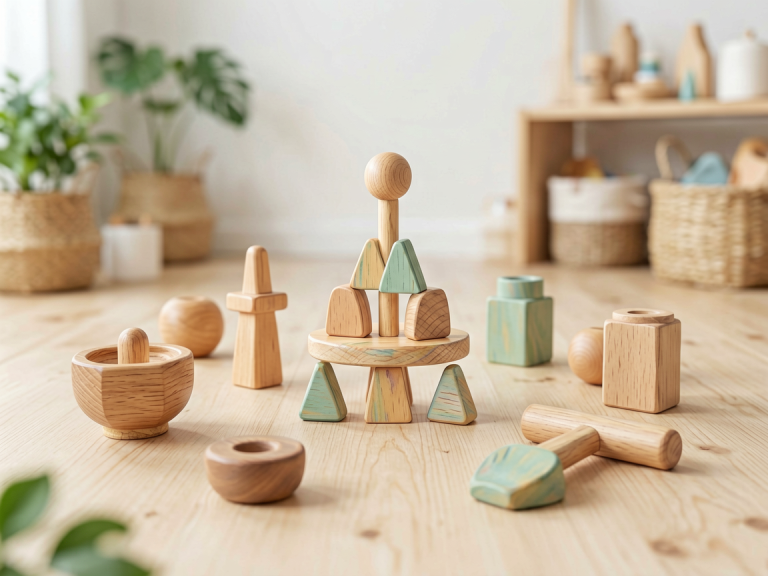
The way a toy engages a child’s senses can significantly influence early development. Wooden toys are prized for their multi-sensory qualities: the smooth, warm texture of natural wood, the subtle earthy scent, the satisfying weight in small hands, and the gentle clack when blocks are stacked. These tactile and auditory experiences help develop fine motor skills, hand-eye coordination, and spatial awareness. Moreover, wooden toys tend to be “open-ended”—a simple set of blocks can become a tower, a bridge, a castle, or a train track, encouraging imaginative play and problem-solving without prescribed outcomes. Plastic toys, by contrast, often come with bright, sometimes overwhelming colors, flashing lights, and electronic sounds that can overstimulate young children and reduce the need for active cognitive engagement. Many plastic figures are rigidly detailed (e.g., a specific cartoon character) and limit creative reinterpretation. Studies in early childhood education suggest that simpler, natural toys promote longer attention spans, deeper concentration, and more complex symbolic play. However, plastic toys can also be designed with educational features—puzzles with interlocking pieces, counting beads, or building sets—that offer developmental value. The key difference lies in intentionality: wooden toys typically encourage the child to construct their own narrative, while many plastic toys come with a prescribed story already embedded.
Durability and Longevity: Heirloom Quality vs. Disposability
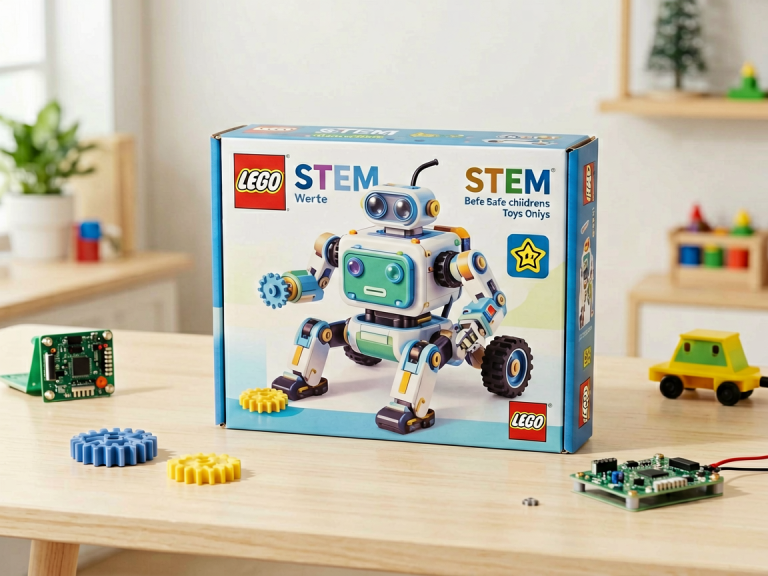
Durability is a practical concern that affects both cost and waste. Well-made wooden toys are remarkably sturdy and can withstand decades of use, often being passed down through generations. A solid wooden rocking horse or a set of alphabet blocks can survive siblings, cousins, and even grandchildren, acquiring a patina that adds character. Damage—such as scratches or dents—can often be sanded and re-oiled rather than requiring replacement. Plastic toys, while engineered to be tough, tend to suffer from specific failure points: hinges snap, battery compartments corrode, and thin plastic cracks under stress. Because plastic is chemically bonded, repairs are rarely feasible, and the toy is discarded. Moreover, many plastic toys are tied to movie releases or seasonal trends, rendering them obsolete within a year or two, which encourages a throwaway culture. The durability of wooden toys also aligns with a slower, more mindful consumption pattern. However, it is worth noting that some high-end plastic toys (e.g., LEGO bricks or Duplo blocks) are remarkably durable and can be reused in myriad configurations for many years. Yet even those eventually wear down, and they remain non-biodegradable. In terms of longevity, wooden toys typically offer superior heirloom potential and lower environmental impact per use hour.
Economic Considerations: Cost over Time and Value
At first glance, plastic toys appear more affordable—a set of plastic dinosaurs might cost $10, while a comparable set of wooden animals could be $30 or more. This price difference often steers budget-conscious parents toward plastic. However, a lifecycle cost analysis tells a different story. A single high-quality wooden toy, if it lasts through multiple children and years, can offer a cost-per-play of pennies, whereas a collection of cheap plastic toys that break or lose appeal quickly must be replaced repeatedly, accumulating higher total expenditure. Additionally, wooden toys often have higher resale value due to their durability and classic appeal; vintage wooden toys are collectible, while used plastic toys rarely fetch more than a few dollars. For families who value longevity and sustainability, investing in a smaller number of excellent wooden toys can be more economical in the long run. Conversely, for families who need variety or whose children rapidly outgrow interests, plastic’s low upfront cost may be more practical. The choice thus hinges on consumption philosophy: is it better to own fewer, better things, or many inexpensive ones? Wooden toys align with the former, plastic with the latter.
Cultural and Aesthetic Appeal: Craftsmanship and Tradition
There is an undeniable cultural dimension to the wooden-versus-plastic debate. Wooden toys are often handcrafted, carrying the marks of skilled artisans—hand-sanded edges, carefully painted details, and a sense of timelessness. They connect children to traditions of craftsmanship dating back centuries, from the wooden dolls of ancient Egypt to the spinning tops of medieval Europe. Many families choose wooden toys to foster an appreciation for natural materials, simplicity, and creativity that transcends fleeting trends. In classrooms following the Montessori or Waldorf educational philosophies, wooden toys are the standard because they are believed to nurture a child’s inner development without distraction. Plastic toys, by contrast, are products of industrial mass production. While some plastic toys achieve artistic merit (e.g., designer action figures or architecturally inspired building sets), they rarely evoke the same sense of heritage or permanence. Aesthetic preferences are subjective, but there is a growing movement toward minimalist, natural home environments that favor the warm tones of wood over the synthetic gloss of plastic. Moreover, wooden toys often double as decor—they look beautiful on a shelf or in a playroom, whereas bright plastic toys can feel chaotic and visually noisy.
Conclusion: Choosing with Intention
Neither wooden nor plastic toys are inherently “good” or “bad”; each has strengths and weaknesses that depend on context, values, and usage. Wooden toys excel in environmental sustainability, safety (when responsibly made), developmental richness, durability, and aesthetic warmth. They encourage slower, more imaginative play and can become cherished family heirlooms. Plastic toys offer unmatched affordability, variety, and often greater complexity (e.g., electronic features, intricate mechanisms) that can be engaging for older children. They are also lighter and can be easier to sanitize, making them popular in daycares and hospitals. The optimal choice for a family will depend on priorities: if reducing environmental impact, promoting open-ended creativity, and investing in long-lasting items are top goals, wooden toys are the clear winner. If budget constraints, need for variety, or specific functional requirements (like a remote-controlled car) are paramount, plastic toys remain a practical option. What matters most is intentionality—choosing toys that align with a child’s developmental stage, the family’s values, and a sustainable future. By understanding the trade-offs, we can fill playrooms not with clutter, but with objects that inspire, endure, and respect the planet our children will inherit.