Wooden Toys vs. Plastic Toys: Which One Truly Nurtures a Child’s Development?
Introduction
The debate over whether wooden toys or plastic toys are better for children has been a persistent topic among parents, educators, and child development experts. On one hand, wooden toys evoke a sense of nostalgia, craftsmanship, and natural simplicity. On the other, plastic toys dominate the modern market with their vibrant colors, affordability, and endless variety. But when we strip away marketing and personal bias, which type actually offers more benefits? The answer is not black and white. Both have distinct advantages and drawbacks, and the "better" choice often depends on the child’s age, the intended use of the toy, and the values of the family. This article delves into a thorough comparison across multiple dimensions—safety, environmental impact, durability, educational value, sensory stimulation, cost, and creativity—to help you make an informed decision.
Safety and Health Considerations
Wooden Toys: Natural and Non-Toxic
High-quality wooden toys are typically made from natural materials like beech, maple, or birch, and are finished with non-toxic paints, oils, or waxes. They contain no harmful chemicals such as BPA, phthalates, or lead, which are sometimes found in cheap plastic toys. Because wood is a solid, dense material, it does not have small parts that can break off easily, reducing the risk of choking hazards when properly manufactured. Additionally, wooden toys do not leach harmful substances even when chewed by teething infants. However, parents must ensure the wood is smooth and splinter-free, and that the paint is certified safe.
Plastic Toys: Lightweight but Potentially Hazardous
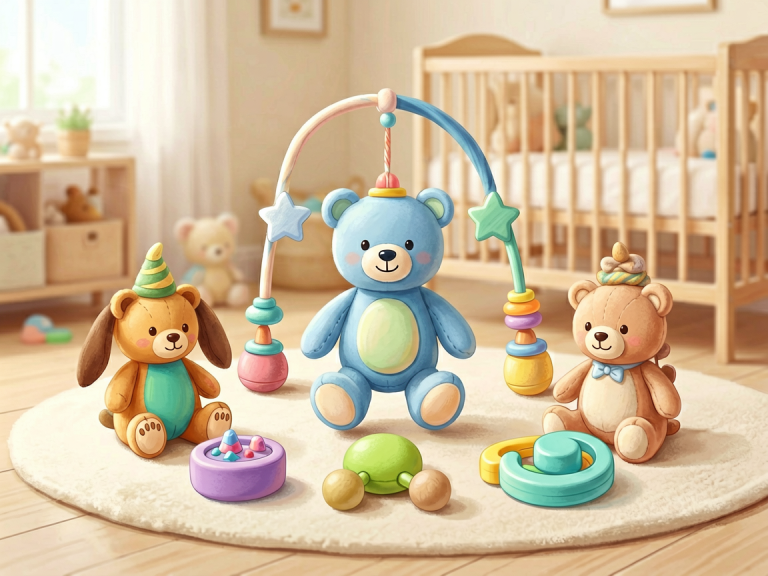
Plastic toys are often made from polyethylene, polypropylene, or ABS, which can be safe if produced by reputable brands that adhere to strict safety regulations. Yet, many budget plastic toys, especially those from unregulated markets, may contain toxic additives. Another concern is the presence of sharp edges or tiny detachable components after breakage. Plastic toys can also harbor bacteria more easily than wood because their smooth, non-porous surfaces do not absorb moisture, but they can be cleaned more thoroughly with disinfectants. In terms of safety, the advantage leans toward wooden toys for infants and toddlers, who tend to put everything in their mouths.
Environmental Impact and Sustainability
Wooden Toys: Biodegradable and Renewable
Wood is a renewable resource when sourced from certified sustainable forests. At the end of their life cycle, wooden toys can be composted or recycled, leaving minimal environmental footprint. The production process for wooden toys generally consumes less energy and generates fewer greenhouse gases compared to plastic manufacturing. However, there is a catch: transporting heavy wooden toys over long distances adds to their carbon footprint, and some cheaper wooden toys may come from unsustainable logging practices. Overall, if responsibly sourced, wooden toys are far more eco-friendly.
Plastic Toys: Long-Lasting but Damaging to the Planet
Plastic is derived from fossil fuels, a non-renewable resource. Its production emits significant amounts of carbon dioxide and other pollutants. While some plastic toys are recyclable, the reality is that most end up in landfills or oceans, taking hundreds of years to decompose. The environmental toll of plastic toys is immense, especially given their short lifespan—children often outgrow or break them quickly, leading to a constant cycle of disposal and replacement. Even "recycled plastic" toys are not a perfect solution, as recycling itself consumes energy and degrades material quality.
Durability and Longevity
Wooden Toys: Built to Last Generations
A well-crafted wooden toy can survive decades of play. Think of classic wooden blocks, trains, or puzzles that become family heirlooms. Wood is strong, resistant to impact, and does not crack easily under normal use. Even if a wooden toy gets scratched, it can be sanded and repainted. The main vulnerability is moisture—wood can warp or swell if left in water, but this is easy to avoid. For families seeking toys that can be passed down to younger siblings or future generations, wood is unmatched.
Plastic Toys: Prone to Breakage
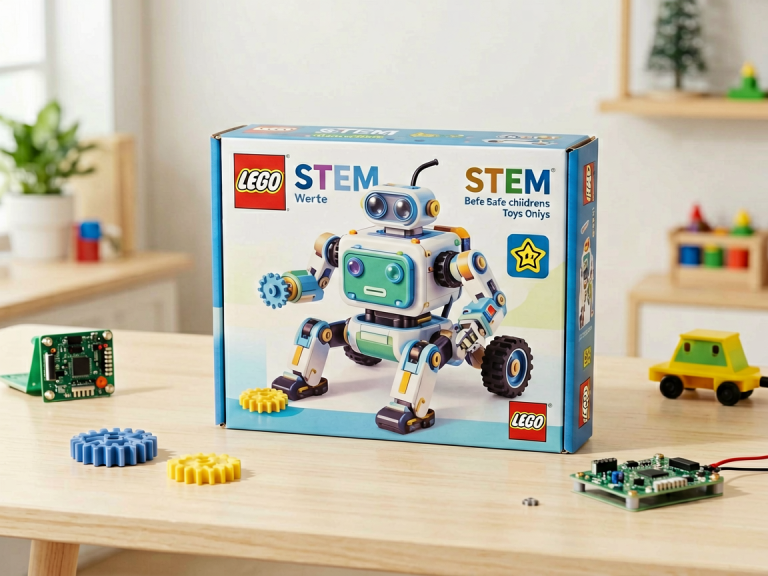
Many plastic toys are designed with thin walls or snap-together parts that can snap, crack, or lose their shape after rough play. While some high-end plastic toys (like LEGO bricks) are extremely durable, the vast majority of mass-produced plastic toys are not. They may rust if they have metal components, and UV sunlight can cause colors to fade and materials to become brittle. Plastic toys often end up in the trash after a few months, whereas wooden toys can last for years if cared for.
Educational Value and Cognitive Development
Wooden Toys: Encourage Open-Ended Play
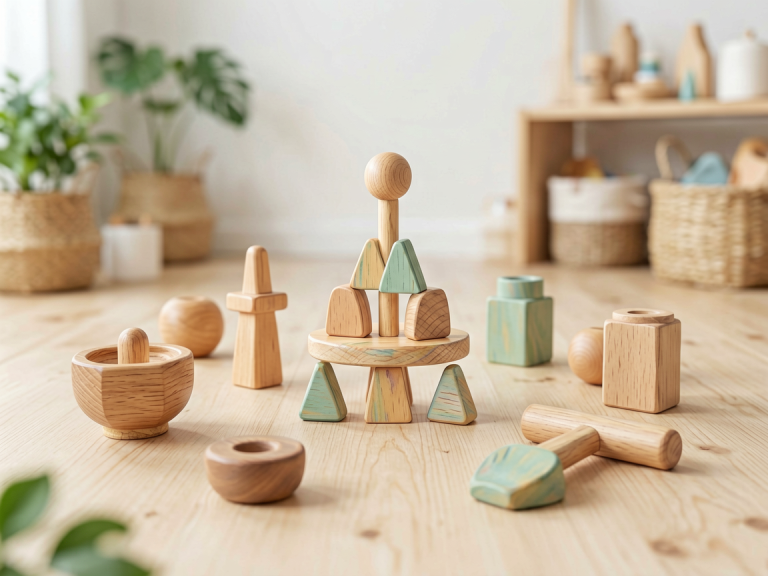
Wooden toys are typically simpler in design, which paradoxically makes them more versatile. A set of wooden blocks, for instance, can become a castle, a spaceship, a bridge, or a counting tool—limited only by a child’s imagination. This open-ended nature promotes problem-solving, spatial reasoning, and creativity. Wooden puzzles enhance fine motor skills and hand-eye coordination. The tactile warmth and weight of wood also provide sensory feedback that helps children develop a sense of cause and effect. Many Montessori and Waldorf educational philosophies advocate for wooden toys precisely because they allow children to direct their own learning without electronic distractions.
Plastic Toys: Often Over-Stimulating and Prescriptive
Many plastic toys come with batteries, flashing lights, sounds, and pre-programmed responses. While these can capture a child’s attention initially, they often leave little room for imagination. A toy that sings a specific song or says a fixed phrase teaches the child to expect a predetermined outcome rather than to invent their own. Research suggests that overly stimulating electronic toys can actually reduce the quality of parent-child interaction and language development. However, plastic toys do have educational merits: for example, plastic building sets with interlocking pieces (like LEGO) teach engineering and geometry, and plastic figurines can be used for storytelling and role-play. The key is choosing plastic toys that are simple and allow for open-ended play.
Sensory Stimulation and Motor Skills
Wooden Toys: Rich Multisensory Experience
Wood has a natural grain, a pleasant smell, and a satisfying weight that engages multiple senses. When children stack wooden blocks, they hear a solid clunk rather than a hollow plastic rattle. The slight friction of wood surfaces helps develop fine motor control. Wooden toys also feel warm in the hand, unlike plastic which often feels cold and synthetic. For infants and toddlers, wooden rattles and teethers provide a more organic sensory experience that is less likely to overwhelm.
Plastic Toys: Bright and Varied but Often Synthetic
Plastic toys can be manufactured in every color imaginable, which is visually stimulating. They can also have smooth, shiny surfaces that are easy to clean. However, the tactile experience is often monotonous—plastic feels the same regardless of the object. Many plastic toys rely on visual and auditory gimmicks to attract attention, which can lead to sensory overload for sensitive children. On the positive side, plastic toys can be molded into highly detailed shapes (e.g., realistic animal figures) that help children learn about the world, though this comes at the cost of reducing imaginative reinterpretation.
Cost and Accessibility
Wooden Toys: Higher Initial Investment, Better Long-Term Value
Quality wooden toys are generally more expensive to produce and therefore more costly to purchase. A simple wooden puzzle can cost $15–$30, whereas a similar plastic puzzle might be $5–$10. However, because wooden toys last longer and can be passed down, the cost per use can actually be lower over time. Additionally, wooden toys often retain resale value; a set of classic wooden blocks can be sold secondhand for a good price. For families on a tight budget, the upfront cost may be a barrier, but buying fewer, higher-quality wooden toys can be more economical in the long run.
Plastic Toys: Cheap and Widely Available
Plastic toys are mass-produced at low cost, making them accessible to almost everyone. They are readily available in supermarkets, dollar stores, and online marketplaces. This affordability allows parents to provide a variety of toys without breaking the bank. However, the cheapness often reflects poor quality, and the hidden cost is the environmental damage and the need for frequent replacements. Many plastic toys are also made with planned obsolescence, encouraging a culture of disposability.
Creativity and Imagination
Wooden Toys: Fostering Independent Thinking
Because wooden toys are usually non-representational (simple shapes, neutral colors), they invite children to create their own narratives. A wooden ball can be an apple, a planet, or a marble. This ambiguity is crucial for developing divergent thinking—the ability to generate multiple solutions to a problem. Children who play with wooden toys often engage in longer, more focused play sessions because they are not being constantly guided by pre-recorded sounds or flashing lights.
Plastic Toys: Can Limit Creativity but Offer Structure
Plastic toys that mimic real objects (e.g., a plastic phone that makes ringing sounds) can teach familiarization with the real world, but they also prescribe a specific way to play. A child might not think of using a toy phone as a boat if it already looks exactly like a phone. However, plastic building blocks and construction sets can be just as open-ended as wooden ones if they are kept simple. The problem arises with overly detailed character toys (e.g., branded action figures) that lock the child into a pre-existing story universe.
Conclusion: Which Is Better?
After examining safety, environmental impact, durability, education, sensory experience, cost, and creativity, it is clear that neither wooden nor plastic toys are universally superior. The best choice depends on the context. For infants and toddlers who explore with their mouths, and for families prioritizing sustainability and long-lasting heirlooms, wooden toys are the clear winner. They offer safer materials, richer sensory feedback, and open-ended play that nurtures the imagination. However, plastic toys have their place: for older children who enjoy complex construction sets (like LEGO Technic), for water play (wood can get damaged), or for families on a very tight budget, plastic can be a sensible option.
Ultimately, the answer lies in mindful selection. Choose wooden toys for the essentials—building blocks, puzzles, stacking rings, and simple vehicles—and supplement with a few high-quality plastic toys that encourage creativity rather than passive consumption. The goal is not to shun one material entirely, but to curate a play environment that balances natural beauty with modern practicality. Your child’s development will benefit most from toys that are safe, durable, and inspiring—regardless of whether they are made of wood or plastic.