STEM toys or Montessori toys
STEM Toys vs. Montessori Toys: A Comparative Analysis for Modern Childhood Education
Introduction
In the ever-evolving landscape of early childhood education, parents and educators constantly seek tools that nurture curiosity, creativity, and cognitive development. Two prominent categories of educational toys have emerged as frontrunners: STEM toys (focusing on science, technology, engineering, and mathematics) and Montessori toys (rooted in the child‑centered philosophy of Dr. Maria Montessori). While both aim to foster learning through play, they differ fundamentally in philosophy, design, and objectives. Understanding these differences is crucial for making informed choices that align with a child’s developmental stage and individual needs. This article provides an in‑depth comparison of STEM and Montessori toys, exploring their unique characteristics, benefits, limitations, and how they can complement each other in a holistic educational approach.
Understanding STEM Toys
*Definition and Core Principles*
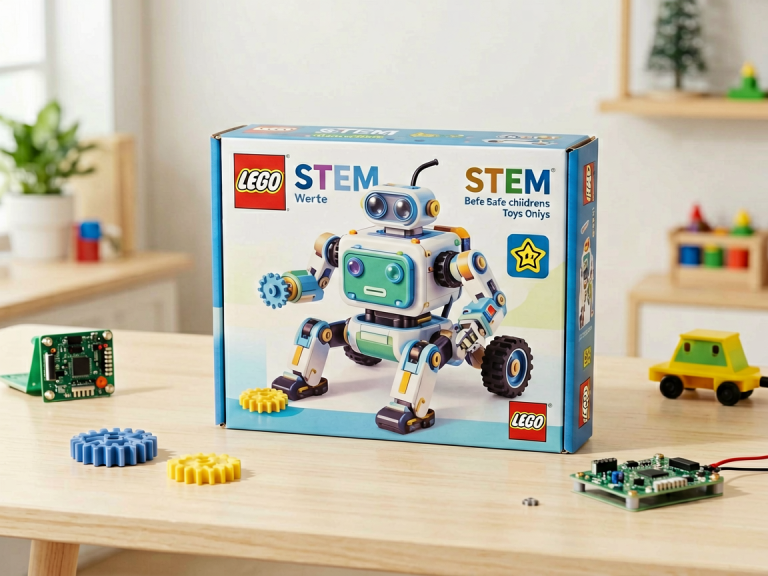
STEM toys are designed to introduce children to concepts in science, technology, engineering, and mathematics through hands‑on, problem‑solving activities. They often involve building, coding, experimenting, or logical reasoning. The underlying principle is to spark interest in these fields early, thereby building foundational skills that are increasingly valued in the modern workforce. STEM toys range from simple construction sets (e.g., LEGO Technic) to sophisticated robotics kits (e.g., Sphero, littleBits) and coding games (e.g., Osmo, Botley).
*Key Characteristics*
- Goal‑oriented Activities: Many STEM toys come with specific challenges or projects. For example, a kid might be asked to build a working catapult or program a robot to follow a line. This structure encourages systematic thinking and perseverance.
- Integration of Multiple Disciplines: A single STEM toy can combine engineering (building), technology (sensors), and math (measurements). For instance, a snap‑circuits kit teaches electrical engineering alongside basic physics.
- Use of Modern Technology: Digital elements are common—tablet‑based coding apps, programmable drones, or smart building blocks that interact with screens.
- Focus on Outcome and Achievement: Success is often measured by whether the child solves the problem or completes the project, which can provide a clear sense of accomplishment.
*Educational Benefits*
STEM toys excel at developing analytical thinking, problem‑solving, and technical literacy. They prepare children for a world increasingly dominated by technology and data. Studies show that early exposure to STEM concepts boosts performance in related school subjects and can reduce gender gaps in fields like engineering and computer science. However, the emphasis on structured tasks and predefined outcomes can sometimes limit open‑ended exploration.
Understanding Montessori Toys
*Philosophical Roots and Design*
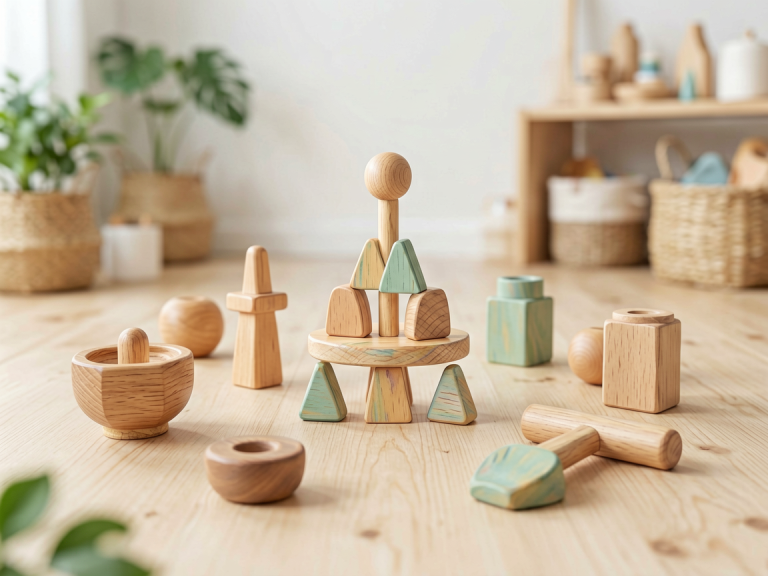
Montessori toys are inspired by the educational method developed by Dr. Maria Montessori more than a century ago. The core belief is that children learn best in a prepared environment that respects their natural development and allows for self‑directed, hands‑on exploration. Montessori toys are typically simple, made of natural materials (wood, metal, fabric), and designed to isolate a single skill or concept. They are often referred to as “materials” rather than “toys” to emphasize their serious educational purpose.
*Key Characteristics*
- Simplicity and Aesthetics: Montessori toys avoid bright colors, flashing lights, or electronic sounds. Instead, they use neutral tones and high‑quality finishes to minimize distraction and focus the child’s attention on the task.
- Self‑Correcting Mechanisms: Many Montessori materials allow the child to independently recognize errors. For example, a cylinder block puzzle has knobs; if a cylinder is placed in the wrong hole, it won’t fit flush, signaling the mistake without adult intervention.
- Sequenced Learning: Materials are arranged in a logical progression from concrete to abstract. A toddler might first use sandpaper letters to trace the shape of a letter (tactile), then later combine them to form words.
- Promotion of Practical Life Skills: Common Montessori toys include items for pouring water, buttoning frames, or polishing shoes—activities that build fine motor skills, concentration, and independence.
*Educational Benefits*
Montessori toys cultivate self‑discipline, concentration, and intrinsic motivation. Because children choose their own activities and work at their own pace, they develop a deep sense of autonomy and love for learning. The emphasis on process over product reduces performance anxiety and encourages creative thinking. However, the lack of explicit technology integration may leave some children less familiar with digital tools that are ubiquitous in modern society.
Key Differences Between STEM and Montessori Toys
| Aspect | STEM Toys | Montessori Toys |
|——–|———–|—————-|
| Philosophy | Build skills for future careers in STEM fields through guided challenges. | Support holistic, self‑directed development based on child’s natural curiosity. |
| Materials | Often plastic, electronic components, batteries, and screens. | Primarily natural materials like wood, metal, and fabric. |
| Structure | Usually have explicit instructions or project goals. | Minimal instruction; child discovers function through manipulation. |
| Role of Technology | Central—many toys require apps or digital interfaces. | Avoided—focus on sensory, real‑world experiences. |
| Error Correction | Often relies on adult or external feedback (e.g., code fails to run). | Built into the material itself (self‑correcting). |
| Learning Pace | May be paced by the child but often has a linear progression of challenges. | Entirely child‑led; no predetermined sequence of “levels.” |
| Age Range | Commonly marketed for ages 3 and up, with many kits for older children (8+). | Designed from infancy (e.g., mobiles) through elementary years (geometry materials). |
Which One Is Better for Your Child?
There is no universal answer, as each child’s temperament, learning style, and developmental stage play critical roles.
*When STEM Toys Shine*
- For analytical and logical learners: Children who love puzzles, building, and patterns often thrive with STEM toys.
- To introduce modern skills: If you want your child to be comfortable with coding, circuitry, or engineering concepts early, STEM toys are effective.
- For overcoming specific challenges: A child struggling with math may benefit from hands‑on counting or geometry kits.
*When Montessori Toys Are Ideal*
- For highly sensitive or distractible children: The calm, uncluttered design of Montessori materials supports focus and calm.
- To foster independence: If your goal is to raise a self‑reliant child who can manage his or her own learning, Montessori methods are unparalleled.
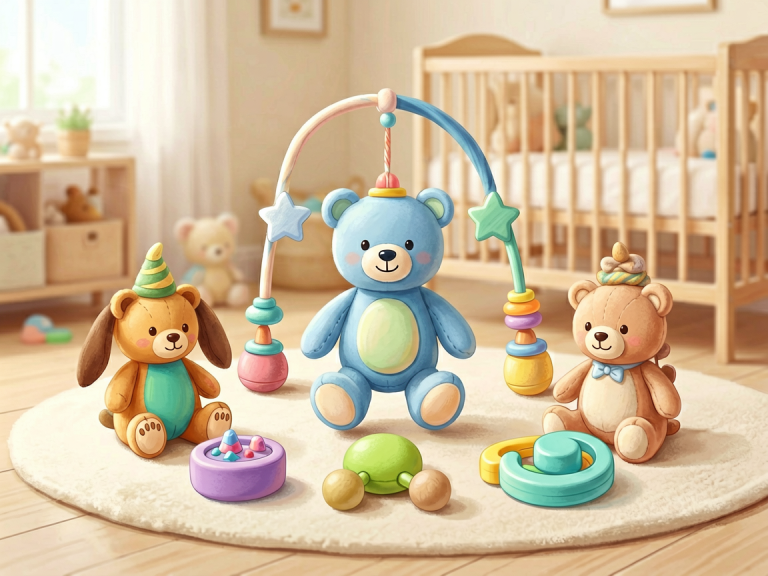
- For younger children (0–3 years): Montessori provides excellent sensorial and motor‑skill materials that are safe and developmentally appropriate.
Complementary Roles: Integrating Both Approaches
Rather than viewing STEM and Montessori toys as rivals, parents can combine them to create a balanced learning environment. For example, a child could have access to classic Montessori sensory bins (with rice, beans, scoops) to develop fine motor skills and concentration, while also using a simple coding robot to introduce sequencing and logic. The key is to ensure that the STEM toys are used in a way that respects the Montessori principles of independence and process orientation.
Practical ideas for integration:
- Use open‑ended building blocks (both wooden unit blocks and magnetic tiles) that fit both philosophies.
- Introduce a nature‑based STEM kit (e.g., growing crystals or studying insects) that encourages observation and inquiry—similar to Montessori’s emphasis on real‑world exploration.
- Select STEM toys that have no fixed outcome, such as a marble run or a set of gears, which allow for creative, unstructured play.
- Rotate toys regularly to prevent overstimulation, a principle from Montessori that applies equally to modern toys.
Conclusion
Both STEM and Montessori toys offer powerful pathways for learning, but they cater to different aspects of child development. STEM toys excel in teaching specific technical skills and logical reasoning, while Montessori toys cultivate independence, concentration, and a love for process‑oriented discovery. The most effective educational approach does not choose one over the other but rather blends them thoughtfully, respecting each child’s unique pace and interests. Ultimately, the best toy is one that engages a child fully—whether it is a wooden puzzle or a programmable robot—and sparks the joy of learning that lasts a lifetime.