Magnetic Tiles vs. Building Blocks: A Comprehensive Comparison for Parents and Educators
When it comes to nurturing a child’s creativity, problem-solving skills, and fine motor development, few toys rival the classic building block. Yet in recent years, magnetic tiles have surged in popularity, promising a fresh, modern twist on constructive play. Parents and educators often find themselves torn: should they invest in the timeless appeal of wooden blocks or embrace the colorful, click-and-connect world of magnetic tiles? This article offers a thorough, evidence-based comparison of magnetic tiles and building blocks for kids, examining their unique benefits, developmental impacts, age suitability, safety, and long-term value. By the end, you will have a clear understanding of how each toy contributes to a child’s growth and which might best fit your family’s or classroom’s needs.
The Basics: What Are Magnetic Tiles and Building Blocks?
Magnetic Tiles are typically flat, geometric shapes (squares, triangles, rectangles, hexagons) embedded with strong neodymium magnets along their edges. They snap together easily with an audible “click,” allowing children to build 2D patterns or 3D structures like castles, rockets, and houses. Their surfaces are usually transparent, colorful plastic, revealing the internal magnetic framework. Sets often include windows, wheels, or other accessories to enhance play. Magnetic tiles are designed to be lightweight and require minimal force to connect, making them accessible to even very young toddlers.
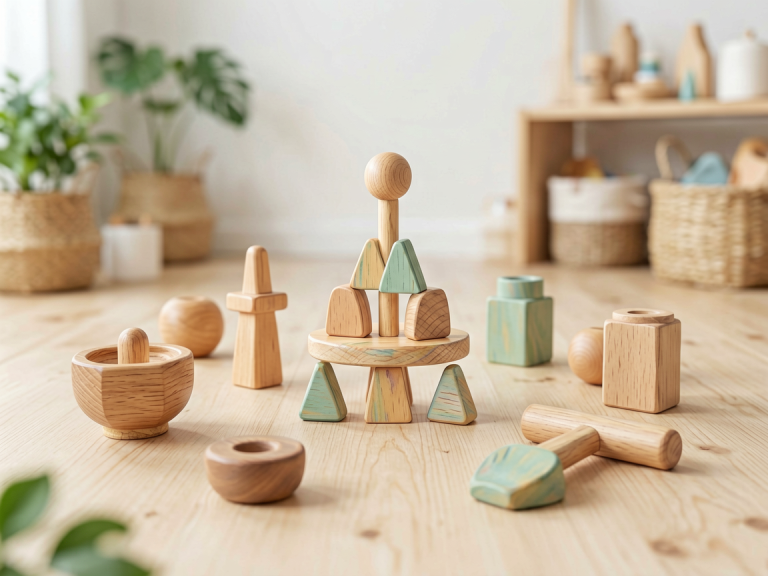
Building Blocks refer to the traditional wooden or plastic bricks that stack and balance through gravity and friction. Classic examples include unit blocks, Duplo, or LEGO-style bricks. Wooden blocks are typically unpainted or stained, offering a natural tactile experience. Plastic interlocking blocks (like LEGO) use a stud-and-tube system for secure attachment. Unlike magnetic tiles, traditional blocks rely on precise alignment, weight distribution, and patience to create stable structures. They vary widely in size, shape, and material, from large hollow blocks for toddlers to tiny, detailed bricks for older children.
The core difference lies in the connection mechanism: magnetic tiles use magnetic attraction, while building blocks depend on friction, gravity, or interlocking geometry. This distinction influences everything from ease of play to the type of creativity they encourage.
Developmental Benefits: A Side-by-Side Analysis
Fine Motor Skills and Hand-Eye Coordination
Building blocks are excellent for refining fine motor control. A child must carefully align a block with its neighbor, apply the right amount of pressure, and sometimes tap it into place. This process strengthens the small muscles in the fingers and wrists. Magnetic tiles, by contrast, require less precise hand movements—children simply bring two edges close, and the magnets snap them together. While easier, this doesn’t challenge dexterity as deeply. Younger children may become frustrated with blocks that topple, but magnetic tiles allow even a two-year-old to feel successful quickly. However, for developing pencil grip and precision, traditional blocks offer a richer workout.
Spatial Awareness and Geometry
Magnetic tiles excel at teaching 2D-to-3D thinking. Because they connect along entire edges, children can see how a square becomes a cube or how six squares form a box. The transparent plastic lets them observe internal structures. This visual clarity helps toddlers grasp concepts like symmetry, angles, and volume. Building blocks, especially standard unit blocks, also teach spatial relationships—stacking, bridging, and cantilevering—but they require more trial and error. Magnetic tiles make it easier to experiment because structures are less likely to collapse. For older children, LEGO-type blocks offer unique challenges in following instructions and understanding gear ratios, which magnetic tiles do not.
Problem-Solving and Persistence
Traditional blocks encourage resilience. A child learns that a tower falls if the base is uneven, and they must adjust—mentally and physically. This “failure-rebuild” loop fosters grit and logical deduction. Magnetic tiles, due to their stability, reduce frustration but also reduce opportunities to learn from failure. Some educators argue that the ease of magnetic tiles can lead to shallow play, where children focus on clicking pieces together without considering load-bearing principles. On the other hand, magnetic tiles allow for more ambitious structures (like archways or domes) that would be impossible with gravity-based blocks, sparking advanced engineering curiosity.
Age Appropriateness and Safety Considerations
Ages 1–3 (Toddlers)
For the youngest builders, safety is paramount. Magnetic tiles generally contain small magnets that can be dangerous if swallowed. High-quality sets use enclosed, child-safe magnets, but parents must supervise. Many magnetic tile brands recommend ages 3+. In contrast, large wooden blocks (e.g., 1-inch cubes or larger) pose no choking hazard for toddlers. They are also softer if thrown and do not shatter. However, magnetic tiles’ snap-together design is easier for tiny hands—a 2-year-old can build a tall tower without the fine motor skill required to balance wooden blocks. My personal observation: for children under 3, chunky wooden blocks are safer and more developmentally appropriate, while magnetic tiles can be introduced around age 3 with adult guidance.
Ages 4–7 (Preschool to Early Elementary)
This is the sweet spot for both toys. Preschoolers can use magnetic tiles to create 3D shapes, learn colors, and practice counting—the magnets make cleanup fast and satisfying. Building blocks, especially interlocking plastic bricks, challenge them to follow step-by-step instructions and develop symbolic thinking. At this age, a mix is ideal. Magnetic tiles are great for free, open-ended play, while LEGO-style blocks teach structured creativity. Safety concerns diminish as children understand not to put pieces in their mouths.
Ages 8+ (Older Kids)
Older children often gravitate toward complex LEGO kits with thousands of pieces, gears, and motors. Magnetic tiles, while still fun for architectural design, may feel too simplistic for sophisticated builders. However, advanced magnetic tile sets with panels, marbles runs, or light-up components can engage older kids in physics experiments. Traditional wooden blocks rarely hold the interest of this age group unless used for elaborate architectural projects. My recommendation: don’t discard magnetic tiles too early—they can serve as a tool for prototyping ideas alongside digital design.
Creative Play and Educational Value
Open-Ended vs. Structured Play
Both toys support open-ended play, but in different ways. Magnetic tiles invite children to build quickly, change shapes instantly, and explore symmetry with ease. They are excellent for collaborative play—multiple children can snap pieces together on a flat surface, creating shared structures. Building blocks require more patience and often lead to individual, focused play. Wooden blocks, lacking any connection mechanism, teach balance and weight distribution. Interlocking blocks (LEGO) offer a hybrid: the studs allow stable connections, but removing pieces requires effort, which can slow down creativity.
STEM Learning
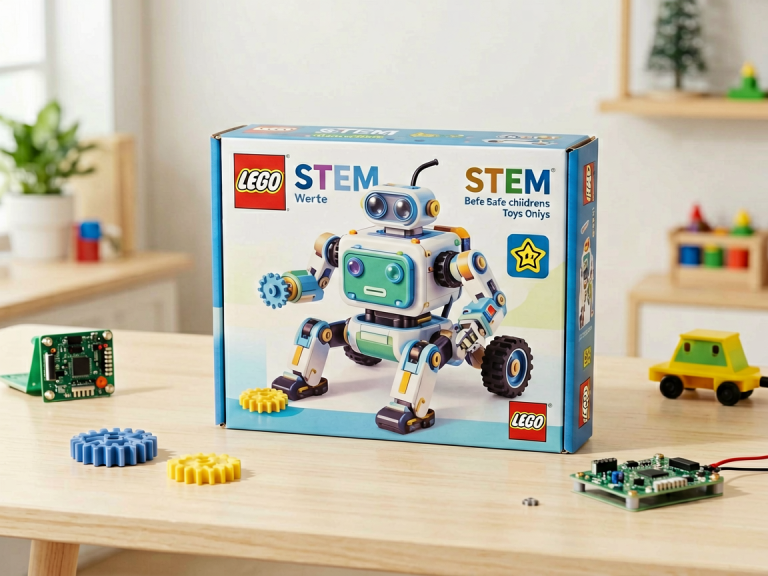
Magnetic tiles are a phenomenal tool for introducing early geometry, fractions (e.g., two triangles make a square), and magnetism itself. Many sets come with cards that teach pattern recognition. Building blocks, especially unit blocks, are classic for teaching number sense—stacking five blocks and counting, or understanding that the same number of blocks can form different arrangements. For formal STEM education, LEGO Education kits incorporate robotics and coding, while magnetic tiles are better for visual-spatial reasoning. Neither is “better”—they complement each other.
Imaginative Storytelling
Both toys encourage narrative play. A magnetic tile castle can be easily assembled and disassembled, allowing a child to create multiple scenes in one session. A wooden block fortress, once built, feels more permanent—children often treat it as a stage for dramatic play with figurines. The transparency of magnetic tiles can be used to create stained-glass effects with light, adding an artistic element. Building blocks’ natural textures often inspire more sensory, organic stories.
Durability, Cost, and Environmental Impact
Durability
Magnetic tiles are remarkably durable: they rarely break unless dropped from great heights or chewed. The magnets remain strong for years. However, the plastic can scratch, and magnets can eventually weaken if exposed to high heat or moisture. Building blocks, especially high-quality hardwood ones, can last for generations. Plastic interlocking bricks are also extremely tough—LEGO pieces from 50 years ago still work with new sets. In terms of longevity, quality wooden blocks win, but magnetic tiles are a close second if stored properly.
Cost
Magnetic tiles are expensive: a starter set of 32 pieces can cost $30–$50, and large sets easily exceed $100. Building blocks vary widely: a bag of 100 basic wooden blocks may cost $20, while a LEGO Creator set with 500 pieces might be $60. For a comparable amount of creative potential, building blocks generally offer more pieces per dollar. However, magnetic tiles often have less “waste” because they don’t break, and their transparent nature means fewer pieces are needed to build visually impressive structures.
Environmental Impact
Wooden blocks are typically the most eco-friendly choice, especially if made from sustainably harvested wood and painted with non-toxic finishes. Many magnetic tile sets are plastic, which is petroleum-based and not biodegradable. Some brands now offer recycled ABS plastic, but they are rare. LEGO has committed to making bricks from plant-based materials, but progress is slow. For families prioritizing sustainability, wooden blocks are the clear winner. However, magnetic tiles’ longevity means they are not single-use plastic; they can be passed down.
Which One Should You Choose? A Practical Guide
After analyzing the strengths and weaknesses of magnetic tiles and building blocks, the answer is not a binary choice. Young children (1–3) benefit most from large wooden blocks for safety and sensory development. Preschoolers (3–5) thrive with a combination: magnetic tiles for geometry and easy success, and interlocking plastic bricks (like Duplo) for structured building. School-age children (6–9) can transition to smaller LEGO bricks while still using magnetic tiles for collaborative creations or light-table play. For 10+, advanced LEGO Technic or architecture sets offer the most depth, while magnetic tiles may serve as a prototyping medium.
Consider your child’s temperament: if they become easily frustrated, start with magnetic tiles to build confidence. If they enjoy challenges and persistent trial-and-error, wooden blocks are ideal. Also factor in space—magnetic tiles take up less storage, while a collection of wooden blocks can be bulky.
In a classroom, having both is invaluable. Teachers can rotate them to target different skills: magnetic tiles for morning STEM centers, wooden blocks for social play, and LEGO for engineering projects. The key is to observe your child and adjust. Ultimately, both magnetic tiles and building blocks are tools, not competitors. They each unlock unique pathways to creativity, problem-solving, and joy—a child who plays with both will develop a more versatile, resilient mind.