Introduction
Title: Traditional Educational Toys vs. Electronic Learning Toys: A Critical Examination of Early Childhood Development
In the modern landscape of early childhood education, parents and educators are increasingly confronted with a pivotal choice: should children engage with classic, hands-on educational toys, or should they be introduced to the latest electronic learning devices that promise interactive, screen-based instruction? This debate has intensified as technology becomes more deeply embedded in daily life, and as research on child development continues to evolve. Traditional educational toys—such as wooden blocks, puzzles, shape sorters, and simple board games—have been trusted for generations to build foundational skills. In contrast, electronic learning toys—ranging from talking tablets and app-based games to robotic kits and smart keyboards—offer dynamic, adaptive experiences that claim to accelerate learning. This article provides a comprehensive, evidence-based comparison between these two categories, examining their respective impacts on cognitive growth, social-emotional development, physical activity, and long-term learning outcomes. The goal is not to crown a winner, but to help readers understand the nuanced roles that both types of toys can play in a child’s holistic development.
The Enduring Value of Traditional Educational Toys
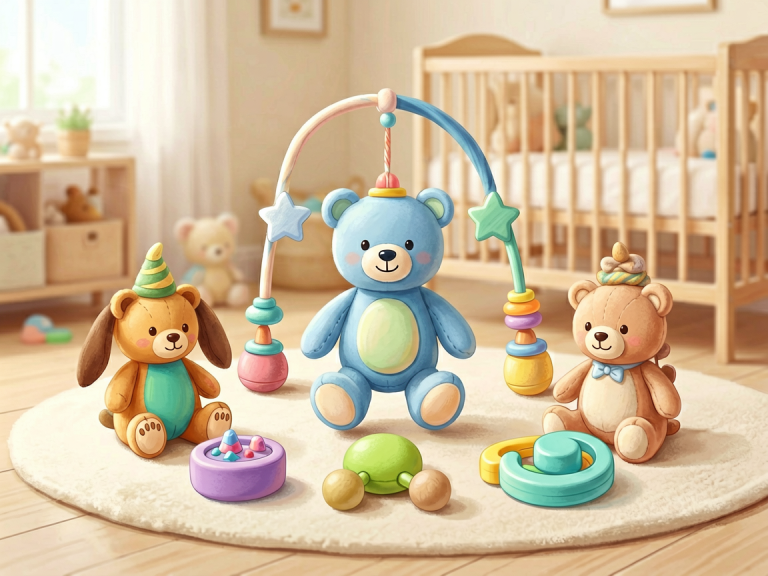
Traditional educational toys are defined by their simplicity, tangibility, and reliance on a child’s own imagination and physical manipulation. A classic set of building blocks, for example, requires a child to grasp, stack, balance, and problem-solve without any digital feedback. These toys often encourage open-ended play, where the child creates the narrative and determines the rules. From a developmental perspective, such toys offer several irreplaceable benefits. First, they promote fine motor skills and hand-eye coordination through direct physical interaction. When a child threads beads onto a string or fits a puzzle piece into its correct slot, they are strengthening neural pathways that control dexterity and spatial reasoning. Second, traditional toys are inherently “low-definition,” meaning they leave room for imagination. A simple wooden train can become a spaceship, a race car, or a magic carpet, depending on the child’s creativity. This cognitive flexibility is critical for divergent thinking and problem-solving later in life. Third, these toys often require patience and repetition. A child learning to balance a set of blocks may fail many times before succeeding, thereby developing resilience and an understanding of cause and effect. Finally, traditional toys are typically screen-free and do not rely on batteries or Wi-Fi, making them accessible at all times and free from the distractions of flashing lights or sudden sounds that can overstimulate a developing brain.
The Allure and Functionality of Electronic Learning Toys
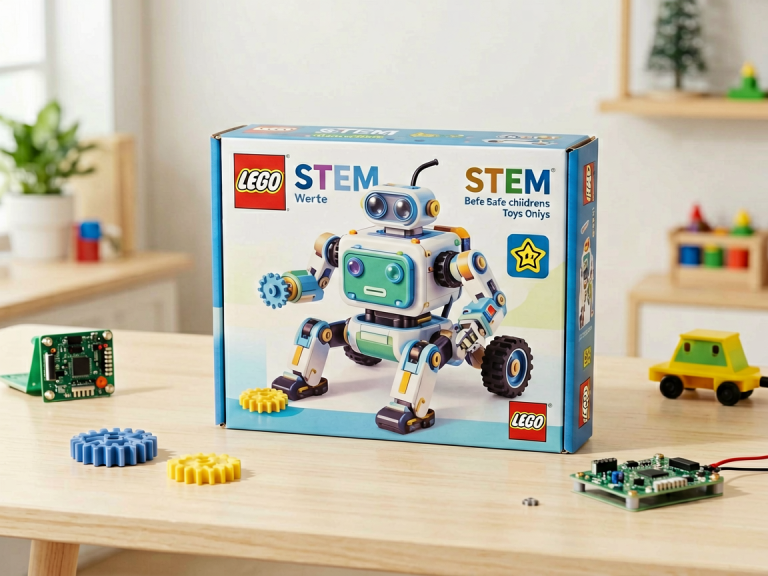
Electronic learning toys, on the other hand, leverage digital technology to create interactive, responsive learning environments. Devices such as the LeapFrog series, Osmo systems, or AI-powered talking globes can adapt to a child’s skill level, provide instant feedback, and offer a vast library of educational content. Proponents argue that these toys capitalize on children’s natural attraction to screens and allow for personalized instruction that would be difficult to replicate with traditional materials. For instance, an electronic reading toy can listen to a child’s pronunciation, correct mistakes in real time, and track progress over weeks. Similarly, a math-based tablet game might adjust the difficulty of equations based on the child’s performance, ensuring they are always challenged without being frustrated. Electronic toys also often incorporate multimedia elements—sounds, animations, and narration—that can make abstract concepts more concrete. A child learning about the solar system, for example, can tap on a planet and hear facts while seeing a animated rotation, which may enhance memory retention. Moreover, many modern electronic toys are designed to teach coding, logic, and computational thinking, skills that are increasingly essential in the 21st-century workforce. However, the benefits come with caveats. Excessive reliance on electronic toys may reduce opportunities for unstructured physical play and peer interaction, which are crucial for social development.
Comparative Analysis: Cognitive Development
When comparing cognitive development outcomes, research suggests that neither category is universally superior; rather, the context and quality of engagement matter more than the medium itself. Traditional toys excel in promoting executive functions such as impulse control, working memory, and cognitive flexibility. A child playing with a simple set of dominoes must plan a sequence, inhibit the urge to knock them over prematurely, and adjust their strategy after a failure. These low-tech experiences require sustained attention and self-regulation, which are foundational for academic success. In contrast, electronic learning toys often provide immediate rewards—stars, sounds, or animations—that can reduce the demand for intrinsic motivation. Some studies indicate that over-reliance on external reinforcers may weaken a child’s ability to sustain focus on tasks that do not offer instant gratification. On the other hand, electronic toys can be excellent for rote learning and skill drilling. A child practicing phonics through an app that repeats sounds and shows letters can achieve fluency faster than with flashcards alone, especially if the app uses spaced repetition algorithms. The key is to use electronic toys as a supplement rather than a replacement. For example, a child might use an app to learn the letter sounds, then reinforce that knowledge by playing with magnetic letters on a refrigerator. This blended approach combines the efficiency of digital instruction with the tactile, creative benefits of traditional play.
Social and Emotional Implications
One of the most significant differences between traditional and electronic toys lies in their social and emotional impact. Traditional toys naturally encourage cooperative play. A group of children building a fort with cardboard boxes or assembling a large floor puzzle must communicate, negotiate roles, share resources, and resolve conflicts. These interactions are critical for developing empathy, turn-taking, and language skills. Electronic learning toys, particularly those that are used independently with headphones or in a solitary setting, can inadvertently isolate a child. While some devices now offer multiplayer modes or connected learning experiences, the screen often becomes a barrier to face-to-face interaction. A child engrossed in a tablet game may miss cues from peers or parents, leading to reduced social reciprocity. Additionally, the emotional regulation developed through traditional play is profound. When a child’s wooden block tower falls, they experience frustration, but they have the opportunity to process that emotion, seek comfort from an adult, and try again. An electronic toy, however, might immediately offer a “try again” button or a cheerful noise that minimizes the emotional learning opportunity. That said, electronic toys can be beneficial for children with specific needs. For example, a child on the autism spectrum may find structured, predictable electronic games less overwhelming than spontaneous social play, and such toys can serve as a bridge to communication.
Screen Time and Physical Activity
A central concern with electronic learning toys is the increase in screen time, which the World Health Organization and American Academy of Pediatrics recommend limiting for young children. Excessive screen exposure has been linked to sleep disturbances, reduced attention spans, and a higher risk of obesity due to sedentary behavior. Traditional educational toys, by contrast, usually involve physical movement—reaching, stacking, sorting, and even whole-body activities like playing with a large ball or a set of outdoor construction blocks. This physical engagement is essential for healthy growth, particularly for the development of gross motor skills and sensory integration. Electronic toys, even those marketed as “active” (e.g., dance mats or motion-controlled games), often still involve a fixed gaze on a screen and can lead to neck strain or reduced peripheral awareness. Furthermore, the blue light emitted by screens can disrupt circadian rhythms, especially if used before bedtime. It is worth noting that many electronic toys now include timers and parental controls to manage usage, but the onus remains on adults to enforce boundaries. A balanced approach might involve setting clear rules—for example, using electronic toys for no more than 30 minutes per day, and ensuring that the majority of playtime is spent with non-digital materials that encourage movement and creativity.
Striking a Balance: Recommendations for Parents and Educators
Given the strengths and limitations of both categories, the most effective strategy is not to choose one over the other, but to curate a diverse “play diet” that incorporates a variety of experiences. For children under three years old, traditional educational toys should dominate. Infants and toddlers learn best through multisensory, hands-on exploration, and screens offer little developmental benefit at this stage. For preschoolers and primary-school-aged children, electronic toys can be introduced gradually, with a focus on quality content and interactive, co-viewing experiences. A parent might sit with a child while using an electronic globe, asking questions and discussing the facts together, thus transforming a solitary activity into a social one. Additionally, it is crucial to prioritize toys that require active problem-solving rather than passive consumption. An electronic toy that asks the child to build a circuit or program a robot is far more valuable than one that simply plays a video. Finally, parents should model balanced behavior by limiting their own screen use during family time and by enthusiastically engaging with traditional toys alongside their children. Educators, too, can design classroom environments that include both a “tech station” with educational tablets and a “building zone” with blocks, art supplies, and puzzles, allowing children to rotate between modes of learning.
Conclusion
The debate between traditional educational toys and electronic learning toys is not a binary war but a continuum of possibilities. Both categories have distinct roles to play in a child’s cognitive, social, emotional, and physical development. Traditional toys offer unmatched benefits in fostering imagination, fine motor skills, patience, and human connection, while electronic toys provide adaptive, efficient, and engaging platforms for skill acquisition in specific domains. The danger lies not in using either type, but in over-relying on one to the exclusion of the other. A child who spends all day on a tablet will miss the tactile joy of molding clay, while a child who never touches a digital tool may lack the technological literacy needed for future schooling. The wisest approach is intentional, mindful selection—choosing toys that match a child’s developmental stage, balancing screen time with active play, and ensuring that learning remains a joyful, exploratory process. Ultimately, the best educational toy is the one that sparks curiosity, invites interaction, and respects the child’s innate drive to learn through play, whether it be a simple wooden block or a sophisticated robot.