Toy Subscription Boxes vs. Single Toys: Which Is the Better Choice for Your Child?
Introduction
In the modern parenting landscape, the question of how to best entertain and educate children has become increasingly complex. On one hand, traditional single toys—those carefully selected dolls, action figures, building blocks, or puzzles—have been the cornerstone of childhood for generations. On the other hand, the rise of subscription box services has introduced a new, curated approach to play, delivering a fresh set of surprises to your doorstep every month. As a parent, you may find yourself torn between these two options, wondering which offers more value, developmental benefit, and long-term satisfaction. This article delves deep into the debate, comparing toy subscription boxes and single toys across multiple dimensions—cost, child development, environmental impact, convenience, and emotional attachment—to help you make an informed decision that aligns with your family’s unique needs.
The Appeal of Toy Subscription Boxes
Novelty and Surprise as Engagement Drivers
Toy subscription boxes thrive on the psychology of anticipation and discovery. Each month, children receive a curated package filled with items they may not have chosen themselves, exposing them to new themes, materials, and play patterns. This element of surprise can be highly stimulating for young minds. Research in early childhood education suggests that novel experiences enhance neural connectivity and cognitive flexibility. A child who regularly receives a subscription box might be more open to trying unfamiliar activities, from crafting a solar system mobile to conducting a simple chemistry experiment. The excitement of waiting for the next box can also create a positive routine around learning and play.
Curated Learning and Age-Appropriate Content
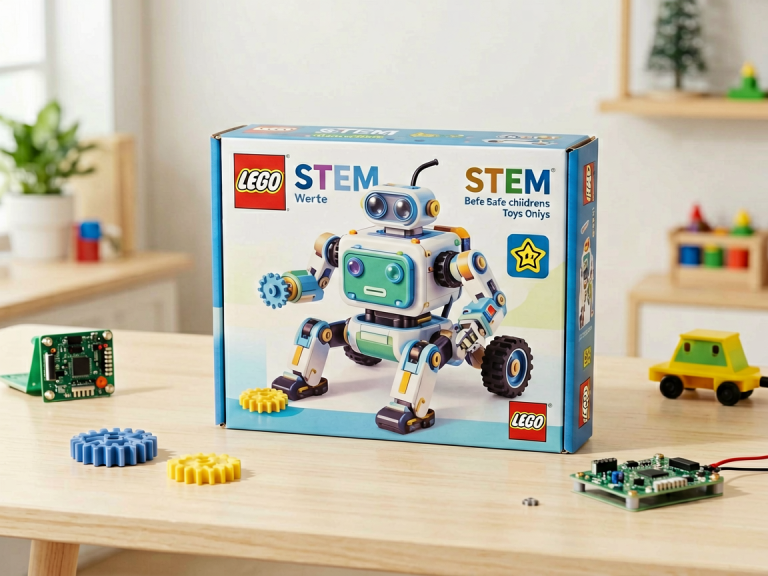
Most reputable subscription services—such as KiwiCo, Lovevery, or Little Passports—design their boxes around developmental milestones and educational themes. They employ experts in child psychology, pedagogy, and design to create toys that are not only fun but also intentionally scaffold skills. For example, a box for a two-year-old might focus on fine motor skills through stacking rings and shape sorters, while a box for an eight-year-old could introduce coding concepts through programmable robots. This level of curation removes the guesswork for parents who may not know which toys are most beneficial for their child’s current stage. Moreover, the thematic coherence of each box—such as “space exploration” or “ocean biology”—can deepen a child’s understanding of a particular subject over the course of a month.
Convenience and Reduced Decision Fatigue
For busy parents, the convenience factor is undeniable. Instead of spending hours researching, visiting stores, or scrolling through online listings, a subscription service delivers a pre-vetted selection of toys directly to your home. This eliminates the paralysis of choice and the risk of buying a toy that turns out to be too advanced, too boring, or poorly made. Many subscriptions also offer flexible plans, allowing you to skip a month, cancel anytime, or swap boxes based on your child’s changing interests. The time saved can be redirected toward actual playtime with your child, which is arguably more valuable than the toys themselves.
The Timeless Value of Single Toys
Fostering Deep, Sustained Engagement
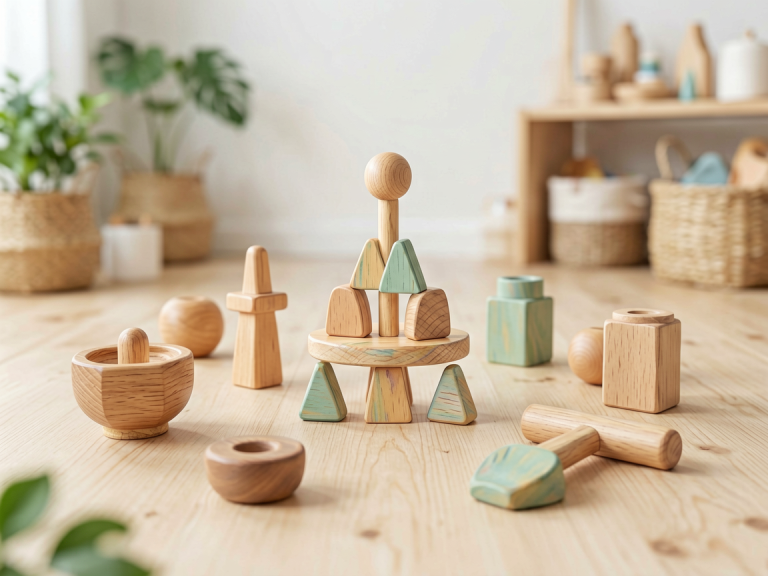
Single toys—especially those that are open-ended, such as wooden blocks, art supplies, or high-quality dolls—encourage a different kind of play. Without the constant influx of new items, children are more likely to invest deeply in a single object, inventing countless scenarios and uses over time. A set of plain wooden blocks, for instance, can become a castle one day, a spaceship the next, and a bridge the day after that. This type of imaginative play is crucial for developing creativity, problem-solving skills, and emotional regulation. Psychologists like Lev Vygotsky have long emphasized that sustained, self-directed play is a primary driver of cognitive development. In contrast, the rapid turnover of subscription boxes may inadvertently train children to expect constant novelty, shortening their attention spans and reducing their capacity for deep, immersive play.
Building Emotional Attachments and Memories
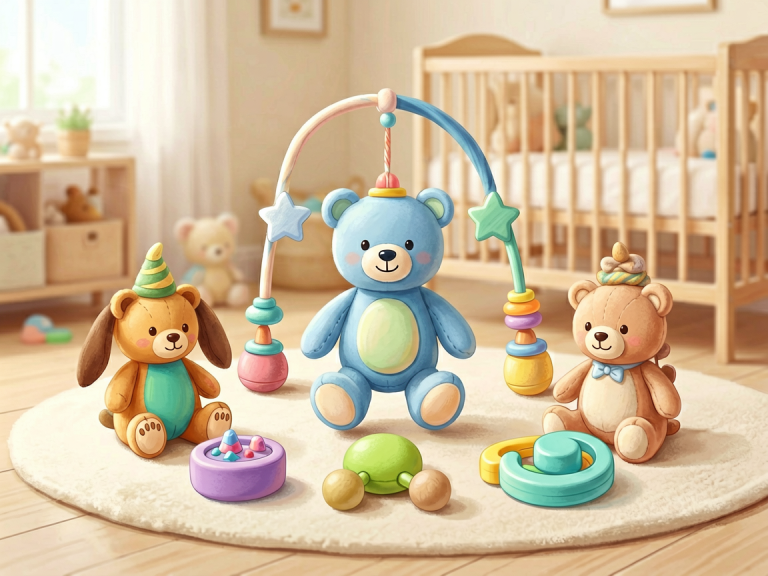
Children form powerful emotional bonds with toys that have personal significance. A beloved stuffed animal worn from years of hugging, a favorite car that has traveled on every family road trip, or a set of LEGO bricks that has been rebuilt a hundred times—these items become repositories of memories and comfort. Single toys often become part of a child’s identity and history. Subscription boxes, by their very nature, are ephemeral. Once the next box arrives, the previous one is often set aside, forgotten, or donated. While some children may enjoy the rotation, others may feel a sense of loss or instability. The emotional depth of a cherished single toy is difficult to replicate with a stream of disposable, thematically disconnected items.
Parental Control Over Quality and Values
When you buy a single toy, you have complete control over its materials, ethical sourcing, and educational alignment. You can choose wooden toys from sustainable forests, plastic-free alternatives, or items that reflect your family’s cultural or religious values. You can also avoid toys that promote gender stereotypes, excessive commercialism, or violent themes. With subscription boxes, you surrender some of that control to the curation algorithm. Even the best services may occasionally include an item that does not resonate with your family—a too-scary monster, a plastic trinket that breaks immediately, or a toy that veers into marketing tie-ins for a media franchise you prefer to avoid. For parents who are highly selective, single toys offer a more intentional, value-driven approach.
Cost Comparison: Short-Term Budget vs. Long-Term Value
The Financial Reality of Subscription Boxes
At first glance, subscription boxes can seem budget-friendly. Many plans range from $20 to $50 per month, which might be less than the cost of a single high-quality toy. However, the cumulative expense over a year—$240 to $600 or more—can be significant, especially if you maintain the subscription for several years. Moreover, you are paying for packaging, curation, and shipping, not just the toys themselves. Some studies estimate that the actual toy value in a subscription box is only 60–70% of the subscription price. The rest goes toward the “experience” and convenience. For families on a tight budget, this premium may not be justified if the toys end up unused or duplicated with items the child already owns.
The Investment in Single Toys
Single toys, particularly high-quality ones, often come with a higher upfront cost but lower long-term expenditure. A well-crafted wooden train set, for example, might cost $80 but can be used for years across multiple children. An educational tablet or a set of high-end art materials also offers extended engagement. However, the risk with single toys is that parents may overspend on impulse purchases or trendy items that lose appeal after a few days. The key is to invest in classics that grow with the child—items like LEGO bricks, magnetic tiles, or a good quality dollhouse. When bought mindfully, single toys can actually be more economical over time because they do not require a recurring payment and have higher resale or hand-me-down value.
Child Development and Play Patterns
The Subscription Box Advantage: Exposure to Diversity
One of the strongest arguments for subscription boxes is that they introduce children to a wide variety of activities they might otherwise never encounter. A child who loves dinosaurs might never consider trying a pottery kit or a bird-watching journal unless it appears in their monthly box. This breadth of exposure can help identify hidden talents and interests. Additionally, many boxes include step-by-step instructions that guide parents and children through collaborative projects, fostering bonding and teaching perseverance. For children with short attention spans or those who resist trying new things, the curated novelty of a subscription box can be a gentle push outside their comfort zone.
The Single Toy Advantage: Focus and Mastery
On the flip side, child development experts often emphasize the importance of play that is repetitive and mastery-oriented. When a child repeatedly plays with the same set of toys, they learn to understand the nuances, limitations, and possibilities of those objects. This deep knowledge builds confidence and a sense of competence. For example, a child who spends months perfecting their tower-building skills with the same wooden blocks is not just stacking—they are learning physics concepts like balance, geometry, and gravity. Subscription boxes, by constantly shifting focus, may interrupt this process. A child might never reach the “flow state” of deep concentration because they are always moving to the next shiny object.
Environmental and Clutter Considerations
The Waste Problem of Subscription Boxes
From an environmental perspective, subscription boxes have a mixed record. While some companies use recycled materials and minimal packaging, many still generate a significant amount of cardboard, plastic wrap, and individual toy packaging. Moreover, because the toys are often smaller and more numerous, they are less likely to be treasured and more likely to end up in landfills. The constant cycle of receiving new items can also contribute to a “throwaway culture” in which children learn to value things as disposable. Parents may find themselves overwhelmed by clutter, with bins full of half-completed projects and forgotten trinkets.
Single Toys: Less Frequent, More Sustainable
Single toys, especially those made from natural materials, tend to have a smaller environmental footprint per unit of playtime. A single high-quality wooden toy can be passed down through siblings, donated, or even biodegraded at the end of its life. Furthermore, when you buy a single toy, you are making a deliberate purchase rather than receiving a monthly surprise. This reduces the likelihood of impulse consumption and encourages a more mindful relationship with material possessions. For families committed to minimalism or sustainability, focusing on a smaller number of durable, versatile toys aligns better with their values.
Making the Right Choice for Your Family
When to Choose Subscription Boxes
Subscription boxes are an excellent option for families who value variety, have children who thrive on novelty, or lack the time to research and shop for toys regularly. They are also great for specific situations: during a period of illness or recovery when new distractions are helpful, for long-distance relatives who want to send a gift every month, or for families who are new to homeschooling and want ready-made thematic units. Additionally, many subscription boxes offer trial periods, allowing you to test the waters without a long-term commitment.
When to Choose Single Toys
Single toys are better suited for families who prioritize depth over breadth, have a strong aesthetic or ethical stance on toys, or want to minimize clutter and waste. They are also ideal for children who become deeply attached to their possessions or who have special needs that require consistent, predictable play materials. If your child has a passionate interest—say, trains or dinosaurs—investing in a comprehensive set of high-quality single toys related to that interest will likely yield more joy and learning than a stream of unrelated items.
Conclusion: There Is No One-Size-Fits-All Answer
The debate between toy subscription boxes and single toys does not have a definitive winner. Both approaches have distinct strengths and weaknesses, and the best choice depends on your child’s temperament, your family’s values, your budget, and your lifestyle. A hybrid approach may actually be the most effective: subscribe to a box for a few months during a season of exploration, then take a break and invest in a few high-quality single toys that your child can treasure. By being intentional about your choices, you can harness the benefits of both worlds while mitigating the downsides. Ultimately, the most important factor is not the type of toy you buy, but the time and attention you invest in playing with your child. Whether a box arrives every month or a single toy is cherished for years, the magic of play happens when an engaged adult and a curious child share a moment of wonder.