Toy Subscription Boxes vs. Single Toys: Which Delivers More Joy and Value?
Introduction
In an era where consumer choices are abundant and parenting philosophies increasingly diverse, the debate between toy subscription boxes and traditional single-toy purchases has become a topic of genuine interest for families. On one hand, toy subscription services—curated monthly deliveries tailored to a child’s age and interests—promise novelty, convenience, and educational value. On the other hand, the classic experience of selecting and owning a single toy offers a sense of autonomy, longevity, and potentially deeper engagement. Both models have passionate advocates, but which one truly serves a child’s developmental needs and a family’s budget? To answer that, we need to examine not only the economics but also the psychology of play, the environmental footprint, and the everyday realities of modern parenting.
The Appeal of Convenience and Curation
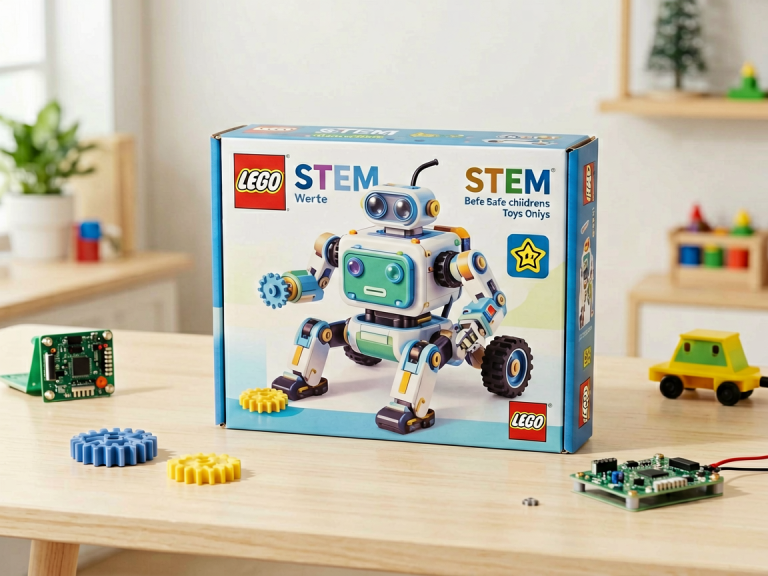
The primary advantage of toy subscription boxes is the remarkable convenience they offer. For busy parents, the chore of researching age-appropriate toys, comparing prices, and making repeated trips to a store is replaced by a simple monthly subscription. Companies like KiwiCo, Lovevery, and Amazon’s STEM Club expertly curate boxes around developmental milestones, ensuring that a child receives activities that challenge their growing skills without being frustrating. This curation eliminates the guesswork and often introduces children to materials they might not have encountered otherwise—think open-ended building sets, Montessori-inspired puzzles, or science kits with real lab tools.
Moreover, the regularity of delivery adds a structure to childhood that many families appreciate. A child eagerly anticipates “box day,” which becomes a ritual of discovery. The novelty of new toys each month can sustain a child’s attention better than a single gift, which may be played with intensely for a week and then abandoned. For parents who value a constant stream of fresh, developmentally targeted stimuli, subscription boxes can feel like a thoughtful investment rather than a disposable expense.
Cost Analysis: Subscription vs. One-Time Purchase
At first glance, subscription boxes seem expensive. A monthly fee of $20 to $50 might seem high when compared to the price of a single, high-quality toy that could last for years. However, the true cost comparison is more nuanced. A single toy’s price is often a one-off, but its value depreciates quickly if the child loses interest. Meanwhile, subscription boxes distribute the cost over multiple months, and many services allow you to pause or cancel. Some larger boxes, like Lovevery’s play kits, are designed to be used for several months or even passed to a younger sibling, giving them a longer effective lifespan.
Additionally, when you factor in the time and mental energy saved—no more endless scrolling through online reviews or wandering aimlessly through toy aisles—the subscription model can be economically efficient. On the flip side, buying a single, well-researched toy like a high-quality wooden train set or an art easel can be a one-time investment that delivers thousands of hours of creative play. For families with limited discretionary income, a subscription may feel like a recurring burden, whereas a single, timeless toy offers a sense of permanence and pride of ownership.
The Element of Surprise vs. Deliberate Choice
One of the most powerful psychological dimensions of this comparison is the contrast between surprise and choice. Subscription boxes thrive on the joy of the unexpected. For a child, opening a box not knowing what is inside can be a thrilling experience, akin to unwrapping a birthday present every month. This element of surprise can foster curiosity and a sense of wonder about the world. It also eliminates the “gimme” syndrome—when a child insists on a specific toy after seeing an advertisement. Instead, the child learns to appreciate whatever arrives, building flexibility in preferences.
In contrast, purchasing a single toy often involves a deliberate decision-making process. A child might save allowance, research options, or negotiate with parents. This process teaches patience, goal-setting, and the value of earning something desired. When a child finally receives the exact toy they wanted, the sense of accomplishment and ownership can be profound. The toy becomes “theirs” in a way that a subscription toy might not, because it was chosen and anticipated rather than passively received. For older children—say, ages 8 and up—the ability to make a personal choice can be crucial for identity formation and autonomy.
Environmental and Sustainability Considerations
From an ecological perspective, toy subscription boxes have a mixed record. On one hand, they often use minimal packaging compared to individual toy boxes sold at retail, and many subscription companies commit to sustainable materials, bamboo, recycled plastics, and non-toxic paints. However, the logistical reality of monthly shipping—multiple small packages traveling long distances—can generate a higher carbon footprint than a single, consolidated purchase. Moreover, the sheer volume of toys a family accumulates over a year may lead to waste if the toys become obsolete or are not passed along.
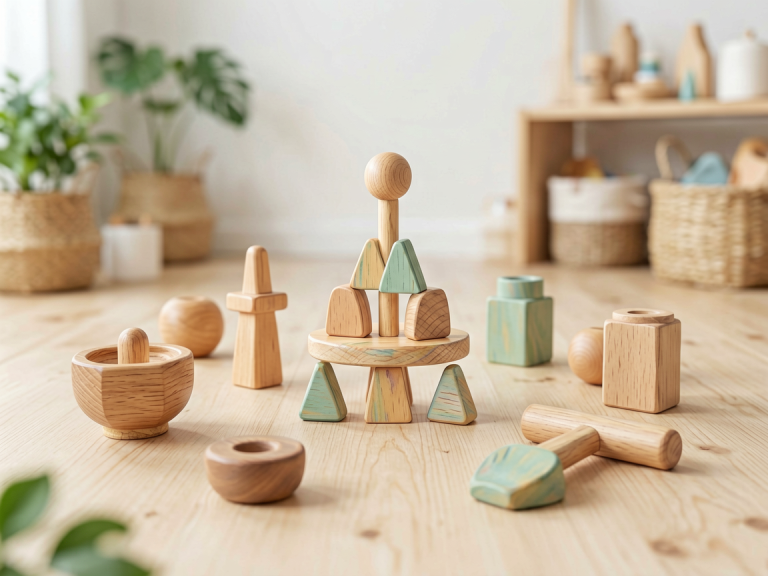
Single toys, especially those made of durable materials like solid wood or metal, are more likely to be passed down through generations or sold secondhand. Their simplicity allows for repair and longevity. On the downside, a large, single plastic playset might be manufactured with more resource-intensive processes and often comes in excessive packaging. A thoughtful parent can mitigate this by choosing toys made from natural materials, supporting local artisans, or buying secondhand. Ultimately, sustainability depends less on the purchase model and more on the specific product’s materials and the family’s consumption habits.
Impact on Child Development and Play Habits
Child development experts emphasize the importance of “deep play”—uninterrupted, imaginative, and repetitive engagement with a toy that allows a child to master skills. Single toys, such as building blocks, dolls, or simple vehicles, encourage this deep play because they are not constantly replaced. A child who has one beloved toy can invent hundreds of scenarios, iterate stories, and refine motor skills over months. Conversely, subscription boxes often focus on novelty and variety, which can promote breadth of learning but may inadvertently undermine sustained attention. A child who receives a new kit every four weeks may become conditioned to expect constant stimulation, reducing patience for solitary or quiet play.
That said, subscription boxes can also be designed to foster depth. Many services include parent guides with suggestions for extending play across weeks, and some even offer digital extensions or community forums. The key is whether the parent uses the box as a launchpad for ongoing play rather than as a disposable activity. In practice, a balanced approach—mixing a steady subscription with timeless, open-ended toys—may offer the best developmental outcomes, allowing children to enjoy both the novelty of discovery and the comfort of a favorite plaything.
Which Option Suits Your Family? A Practical Guide
Deciding between toy subscription boxes and single toys ultimately depends on your family’s values, budget, and lifestyle. If you have multiple children of different ages, a subscription box tailored to each child can be a logistical lifesaver. If you live in a small space where you cannot afford to accumulate dozens of toys, the “rotate and return” model of some subscriptions (where you send back the toys after playing) might be ideal. For families who prioritize simplicity and minimalism, a curated selection of a few high-quality single toys—like a wooden kitchen set, a cozy reading nook, or a set of art supplies—can create a rich play environment without clutter.
On the financial side, if you have a limited budget but enjoy the surprise factor, you might try short-term subscriptions (three months) during a holiday season or birthday period, then revert to single-toy purchases the rest of the year. Consider also the child’s temperament: a highly curious, easily bored child might thrive on the variety of subscription boxes, while a more sensitive, focused child might feel overwhelmed by constant new stimuli.
Conclusion
Neither toy subscription boxes nor single toys are inherently superior. Each model has distinct strengths: subscriptions offer curation, convenience, and delightful surprise; single toys offer autonomy, depth, and enduring value. The most enlightened approach might be to combine both. Use a subscription to introduce new concepts and materials, while maintaining a small collection of timeless, open-ended toys that anchor your child’s play. By doing so, you harness the best of both worlds—keeping play fresh and exciting without losing the roots of deep, meaningful engagement. Ultimately, the toy that brings the most joy is not the one that arrives monthly nor the one that stays forever, but the one that fits seamlessly into the real, messy, beautiful lives of the children who play with it.