Beyond Play: The Cultural and Creative Renaissance of Art Toys and Craft Kits
Introduction: The Quiet Revolution in Creative Consumption
In an era dominated by rapid digital consumption and fleeting virtual experiences, a countermovement has been quietly gaining momentum. Art toys and craft kits—once relegated to the dusty corners of children’s bedrooms—have emerged as powerful cultural artifacts and therapeutic tools for people of all ages. These objects are no longer mere distractions; they are canvases for self-expression, vehicles for mindfulness, and bridges between traditional craftsmanship and contemporary art. This article explores the multifaceted significance of art toys and craft kits, examining their evolution, their role in modern creativity, and their profound impact on mental well-being, education, and community building.
The Rise of Art Toys: From Collectibles to Cultural Icons
Art toys, also known as designer toys or urban vinyl, originated in the late 1990s when artists like Michael Lau and KAWS began transforming mass-produced action figures into limited-edition sculptures. These early creations blurred the line between toy and fine art, attracting collectors who valued aesthetic innovation over functionality. Today, the art toy market is a global phenomenon, with figures selling for thousands of dollars at auctions and gallery shows.
What makes art toys so compelling? At their core, they are platforms for storytelling. Each figure carries the distinct visual language of its creator—whether it’s the melancholy eyes of a KAWS companion or the surreal, biomorphic forms of a figure by Takashi Murakami. Unlike traditional toys that come with predefined narratives, art toys invite owners to project their own meanings onto them. This open-endedness fosters a deep emotional connection, turning a plastic object into a personal totem.
Moreover, art toys have democratized contemporary art. Fine art can be intimidating, inaccessible, or prohibitively expensive. An art toy, however, is tangible, affordable, and approachable. It allows someone who may never step into a gallery to own a piece of an artist’s vision. This accessibility has created a vibrant subculture of collectors who trade, display, and even customize their figures, turning passive consumption into active participation.
Craft Kits: The Return of Hands-On Making in a Digital World
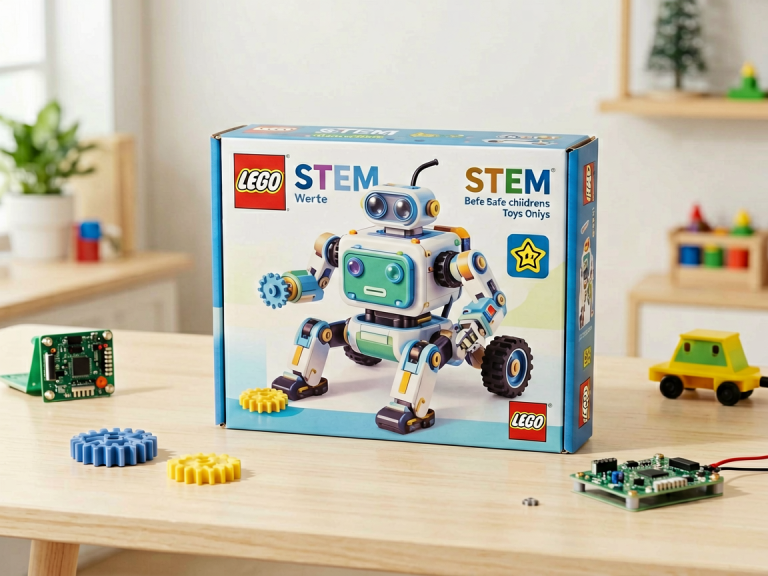
Parallel to the rise of art toys is the resurgence of craft kits—boxes of curated materials and instructions designed to guide users through a creative process. From embroidery sets and pottery kits to miniature dollhouse assembly and diamond painting, these kits cater to a wide spectrum of interests and skill levels. The appeal lies in their structured yet flexible nature: they provide a framework for creativity without the paralyzing fear of a blank canvas.
Why are craft kits flourishing now? Part of the answer lies in the digital fatigue of the 21st century. Spending hours on screens has left many craving tactile, real-world experiences. Crafting offers a sensory escape—the feel of yarn between fingers, the smell of paint, the satisfying click of a puzzle piece locking into place. This physical engagement grounds us in the present moment, a stark contrast to the endless scrolling of social media.
Additionally, craft kits have become a form of slow living in a fast-paced society. Completing a project—whether it’s a cross-stitch pattern or a wooden model—requires patience, focus, and incremental progress. The process itself becomes a meditation, and the finished object is a tangible reward. This sense of accomplishment is particularly valuable for adults who spend most of their professional lives working on intangible goals like spreadsheets or reports.
Educational Value: Fostering Creativity, Problem-Solving, and Resilience
Both art toys and craft kits serve as powerful educational tools, especially for children. In educational psychology, creativity is often framed as a skill to be nurtured, not a fixed trait. Art toys that encourage customization—such as blank vinyl figures with paints or markers—allow children to experiment with color, form, and composition without fear of failure. Similarly, craft kits that require following instructions while leaving room for personal interpretation teach the balance between discipline and imagination.
Beyond creativity, these activities develop cognitive skills. Assembling a complex model or executing a multi-step craft enhances spatial reasoning, fine motor coordination, and sequential thinking. When a step goes wrong—a piece missing, paint smudged—the child learns problem-solving and resilience. They discover that mistakes are not dead ends but opportunities for adaptation. This mindset is increasingly valued in a world that demands flexibility and lifelong learning.
The Therapeutic Potential: Crafting as Self-Care and Emotional Regulation
The therapeutic benefits of art toys and craft kits are not incidental; they are central to their appeal. Occupational therapists have long used crafting to help patients improve dexterity and cognitive function. But in recent years, the general public has embraced crafting as a form of self-care. The repetitive, rhythmic motions of knitting, beading, or coloring trigger a relaxation response similar to that of meditation. Studies have shown that such activities reduce cortisol levels, lower heart rate, and alleviate symptoms of anxiety and depression.
Art toys, on the other hand, offer a different kind of emotional outlet. Collecting and displaying them can create a sense of order and beauty in one’s environment. For some, the act of carefully arranging a shelf of figures is a ritual of control and comfort. Others find joy in the storytelling aspect—creating dioramas or narratives around their collection. This imaginative play is not childish; it is a form of mental engagement that allows adults to process complex emotions in a safe, symbolic manner.
Community and Connection: The Social Fabric of Creative Hobbies
One of the most underappreciated aspects of art toys and craft kits is their ability to build communities. Online platforms like Instagram, Pinterest, and dedicated forums have become virtual galleries where enthusiasts share their creations, exchange tips, and organize trades. Local “crafty” meetups and conventions like DesignerCon bring together collectors, artists, and makers in physical spaces, fostering friendships that transcend age, geography, and background.
These communities are remarkably inclusive. Art toy collecting, for instance, attracts everyone from teenage anime fans to middle-aged bankers. Craft kit enthusiasts range from retirees rediscovering a childhood hobby to young parents looking for screen-free activities to share with their children. The common language of creativity levels hierarchies, allowing people to connect over the joy of making rather than superficial markers of status.
Moreover, the act of giving a handmade item or a custom art toy has deep social meaning. A crafted gift is inherently personal—it carries the time, effort, and thought of the maker. In a world of mass-produced consumer goods, such gifts stand out as tokens of genuine care. This reciprocity strengthens bonds and reinforces the value of human connection in an increasingly transactional society.
The Environmental and Ethical Considerations
It would be remiss to discuss art toys and craft kits without acknowledging their environmental footprint. Many art toys are made from plastic, which raises concerns about sustainability. However, the industry is slowly evolving. Independent artists increasingly use eco-friendly materials like recycled vinyl, bamboo, or bioplastics. Craft kits are also shifting toward sustainable sourcing, with companies offering refills, biodegradable packaging, and tools that can be reused.
On the ethical front, art toys have faced criticism for fueling consumerism and planned obsolescence—limited editions that encourage frantic purchasing. Yet, proponents argue that the culture of collecting, when done mindfully, is no different from collecting stamps or wine. The key is intentionality: buying what resonates rather than what is trendy, and cherishing what you own. Craft kits, by their nature, promote the opposite of fast consumerism: they encourage the slow, deliberate creation of something durable.
Conclusion: A Canvas for the Soul
Art toys and craft kits are far more than the sum of their parts. They are emotional anchors in a chaotic world, educational tools that teach patience and creativity, and cultural artifacts that reflect our shared humanity. Whether you are a seasoned collector marveling at the intricate details of a designer figure, or a beginner slowly stitching a piece of fabric into a work of art, these objects invite you to slow down, to touch, to imagine.
In a society that often prizes efficiency over expression, the humble art toy and the modest craft kit stand as quiet rebels. They remind us that the act of creation is not reserved for “real” artists—it is a birthright accessible to everyone. So the next time you pick up a paintbrush for a craft kit or carefully place a new figure on your shelf, know that you are part of a larger renaissance. You are not just playing; you are participating in a cultural movement that celebrates the beauty of making, the joy of collecting, and the profound power of human hands to transform simple materials into sources of meaning.