The Ultimate Guide to Safe Toys for 10-Year-Olds: Balancing Fun, Development, and Safety
Introduction
Children at the age of 10 are at a unique developmental crossroads. They are no longer toddlers who put everything in their mouths, yet they are not yet teenagers ready for high-risk gadgets or unsupervised online interactions. At this stage, play becomes more sophisticated—involving strategy, creativity, physical exertion, and social bonding. However, the market is flooded with toys that may pose hidden dangers: small parts that can be swallowed, toxic chemicals in plastics, sharp edges, or digital features that expose children to inappropriate content. Choosing safe toys for 10-year-olds is not merely about avoiding obvious hazards; it requires a holistic approach that considers physical, chemical, digital, and emotional safety. This article provides a comprehensive guide to help parents, educators, and gift-givers make informed decisions, ensuring that playtime remains joyful, educational, and above all, safe.
Physical Safety: Durability, Size, and Design
Avoiding Choking Hazards and Sharp Edges
Even though 10-year-olds have fully developed swallowing reflexes, choking hazards remain a concern—especially with toys that include small batteries, magnets, or detachable components. According to the U.S. Consumer Product Safety Commission (CPSC), toys for children over 3 must pass rigorous testing, but many products marketed to older children still contain tiny parts that can be aspirated. For a 10-year-old, any toy with parts smaller than a standard ping-pong ball should be scrutinized. Magnets are particularly dangerous; if two or more strong magnets are swallowed, they can attract each other through intestinal walls, causing perforations or blockages. Therefore, toys with loose magnets (e.g., some magnetic building sets) should only be given if the magnets are fully encased and impossible to remove without tools. Similarly, ensure that battery compartments are secured with screws—a slip-up here can lead to battery ingestion, which is a medical emergency due to chemical burns.
Structural Integrity and Impact Resistance
Active 10-year-olds love physical play—bikes, skateboards, scooters, and climbing toys. The safety of such equipment depends on robust construction. Look for toys made from high-impact materials like reinforced plastics or metal with rounded edges. For example, a scooter should have a wide, non-slip deck, sturdy handlebars, and brakes that a child’s hand can easily operate. Check for any protruding screws or sharp points that could cause cuts during a fall. Helmets and protective gear (knee pads, elbow pads, wrist guards) should be considered part of the toy package—never optional. Also, inspect the weight limit of any riding toy; a 10-year-old can weigh anywhere from 60 to 100 pounds, so a cheap plastic skateboard might crack under pressure.
Electrical and Battery Safety
Many toys for 10-year-olds are battery-operated or rechargeable. Overheating, short circuits, and leaking batteries are real risks. Choose toys that use standard AA or AAA batteries with child-resistant compartments rather than lithium-ion pouch cells that can swell. If the toy uses a rechargeable battery pack, ensure it has overcharge protection and a UL (Underwriters Laboratories) certification. Avoid cheap, unbranded electronic toys from online marketplaces—they often cut corners on insulation and wiring. Teach your child not to mix old and new batteries or to leave batteries in a toy for months without use, as corrosion can occur.
Material Safety: Toxicity and Allergens
Plastics, Phthalates, and BPA
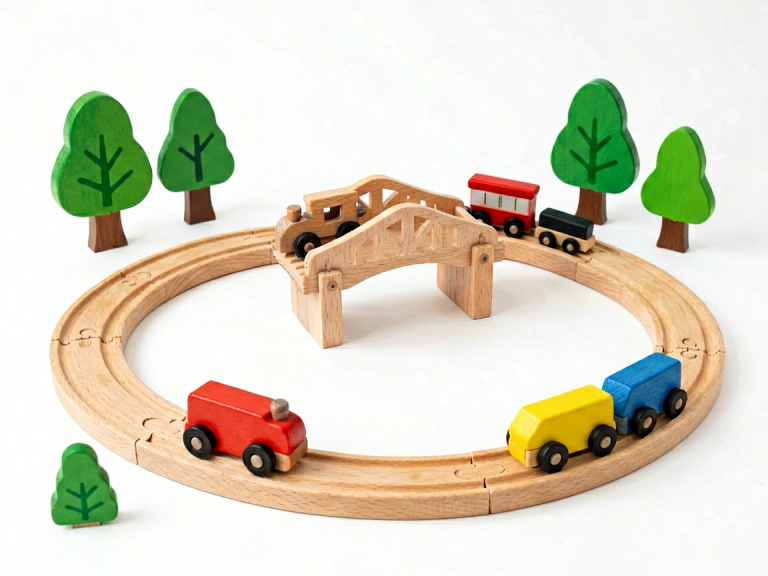
The plastic used in toys can contain harmful chemicals like phthalates (used to soften PVC) and bisphenol A (BPA). These endocrine disruptors have been linked to developmental issues. For 10-year-olds, who are still growing, exposure should be minimized. Look for toys labeled “BPA-free” and “phthalate-free.” Better yet, choose toys made from natural materials like wood, bamboo, or organic cotton. If plastic is unavoidable (e.g., for LEGO bricks or action figures), select well-known brands that adhere to international safety standards such as EN71 (European) or ASTM F963 (American). Avoid toys with a strong chemical smell—that often indicates off-gassing of volatile organic compounds (VOCs).
Paints and Coatings
Painted toys should use non-toxic, lead-free paint. Lead poisoning can cause cognitive impairments and behavioral problems, and 10-year-olds may still put fingers in their mouths after handling painted objects. Check for certifications like “ASTM D-4236” or “AP Seal” from the Art & Creative Materials Institute. For arts and crafts kits, ensure that markers, paints, and glues are labeled non-toxic and washable. Be cautious of cheap imported toys, especially from countries with lax regulations; they may use lead-based paint on surfaces.
Allergens: Latex, Nickel, and Fragrances
Some children develop allergic reactions to materials in toys. Latex is common in rubber balls, erasers, or doll parts—if your child has a latex allergy, opt for silicone alternatives. Nickel, often used in fasteners, zippers, or metallic accents, can cause contact dermatitis. Choose toys with nickel-free coatings or stainless steel. Additionally, many scented toys (e.g., slime, play dough, or scented markers) contain fragrances that can trigger asthma or migraines. While a 10-year-old can handle mild scents, it’s safer to avoid heavily perfumed toys, especially if the child has respiratory sensitivities.
Age-Appropriate Complexity and Cognitive Safety
Avoiding Frustration and Encouraging Growth
A safe toy is not just physically harmless—it should also be developmentally appropriate. A toy that is too simple bores a 10-year-old, while one that is too complex may cause frustration or lead to unsafe use (e.g., trying to force parts together). At 10, children typically enjoy strategy games (e.g., chess, Settlers of Catan), complex building sets (e.g., LEGO Technic, K’Nex), science kits with real experiments, and craft projects that require fine motor skills. Ensure that instructions are clear and that the toy doesn’t require adult supervision for every step—though some adult guidance is fine, the child should be able to play independently without risk of injury. For example, a chemistry set should include safety goggles and clearly labeled chemicals, with no volatile or corrosive substances that could cause burns.
Small Parts and Age Labels
Always check the age recommendation on the packaging. While 10-year-olds are past the “small parts” warning for ages 3+, some toys labeled “8+” may still contain tiny components that could be swallowed by curious younger siblings or even by the 10-year-old if they have a habit of putting things in their mouth. If you have multiple children in the home, consider the youngest child’s safety as well. Keep toys with small parts separated from play areas of younger kids.
Electronic Toys and Digital Safety
Screen Time and Online Risks
Many toys for 10-year-olds now include digital features—tablets, smartwatches, interactive robots, or online gaming consoles. While these can be educational, they also introduce risks: exposure to inappropriate content, online predators, cyberbullying, and excessive screen time. When choosing an electronic toy, prioritize those with robust parental controls. For example, a smartwatch for kids should allow parents to approve contacts, limit apps, and set usage times. Tablets designed for children (e.g., Amazon Fire Kids Edition) come with a subscription that filters content and sets time limits. Avoid toys that require open internet access without supervision.
Privacy and Data Collection
Toys with cameras, microphones, or internet connectivity can collect personal data, which poses privacy risks. Read the privacy policy of any connected toy. Look for toys that do not require a child’s name, address, or photo to function. The Children’s Online Privacy Protection Act (COPPA) in the U.S. requires companies to obtain parental consent before collecting data from children under 13. If a toy asks for an account creation for a 10-year-old, ensure the company is COPPA-compliant. Better yet, choose toys that work offline or with limited connectivity.
Virtual Purchases and In-App Safety
Many electronic toys offer in-app purchases or virtual currency. Set up a password on your device to prevent unauthorized purchases. Teach your child not to click on ads or share personal information in chat features. For online multiplayer games (e.g., Roblox, Minecraft), play along with your child initially to understand the social environment. Disable voice chat if possible, or set it to “friends only.”
Social and Emotional Safety: Toys That Foster Healthy Play
Avoiding Violent or Negative Themes
While many 10-year-olds enjoy action figures, superhero battles, or video games with combat, it’s important to consider the emotional impact. Toys that glorify violence, gore, or destructive behavior may desensitize children or encourage aggression. Look for toys that promote problem-solving, teamwork, and creativity instead of pure destruction. For example, a Nerf gun battle can be fun if played with clear rules and safety goggles, but avoid realistic-looking weapons that could be mistaken for real guns by law enforcement or others. For video games, check the ESRB rating: “E” (Everyone) or “E10+” (Everyone 10+) is appropriate, while “T” (Teen) may include content not suitable for all 10-year-olds.
Gender-Neutral and Inclusive Options
Safety also means emotional well-being. Avoid toys that reinforce harmful stereotypes or exclude children based on gender, race, or ability. A safe toy is one that all children feel welcome to play with. For example, science kits featuring diverse scientists or building sets with neutral colors encourage participation from all. If a child feels pressured to play with a toy that doesn’t match their interests, it can cause anxiety or low self-esteem. Let the child lead their own choices within safety boundaries.
Tips for Parents and Caregivers
Regular Inspection and Maintenance
Even the best toy can become unsafe over time. Check for loose parts, frayed cords, cracked plastic, or worn-out batteries. Keep toys clean—especially those used outdoors—to prevent mold or bacterial growth. For stuffed animals or fabric toys, wash them according to label instructions. Store toys in a dry, organized place to prevent tripping hazards.
Stay Informed About Recalls
Sign up for recall alerts from the CPSC (USA) or equivalent agencies in your country. You can also check the SaferProducts.gov database. If a toy is recalled, stop using it immediately and follow the manufacturer’s instructions for a refund or replacement. Social media platforms and parenting forums also share recall news, but verify on official sites.
Teach Safe Play Habits
Educate your child about basic safety rules: never run while holding sharp objects, wear protective gear for sports, don’t dismantle electronic toys, and inform an adult if a toy breaks unexpectedly. At 10, children are old enough to understand consequences. Role-play scenarios: “What would you do if your scooter wheel comes off?” or “What if you find a small battery on the floor?” Empowering them with knowledge is the best safety measure.
Conclusion
Selecting safe toys for 10-year-olds is a multi-layered responsibility that goes beyond simply avoiding obvious dangers. It involves scrutinizing materials, assessing physical design, considering digital risks, and nurturing emotional well-being. The best toys are those that stimulate a child’s imagination, encourage physical activity, and promote social interaction—all within a framework of rigorous safety standards. By staying informed, choosing reputable brands, and involving your child in conversations about safety, you can create a play environment that is both fun and secure. Remember, a truly safe toy is one that a child can enjoy with confidence, allowing them to explore, learn, and grow without unnecessary risk. As parents and caregivers, our ultimate goal is not to wrap children in bubble wrap, but to give them the tools to navigate the world safely—starting with the toys they love.