Are Wooden Toys Better Than Plastic Toys? A Balanced Examination
Introduction
For generations, the debate over the best materials for children’s toys has divided parents, educators, and environmentalists. On one side stand wooden toys—classic, natural, and often associated with craftsmanship and nostalgia. On the other side are plastic toys—colorful, mass-produced, and ubiquitous in modern households. The question “Are wooden toys better than plastic toys?” is not merely a matter of taste; it touches on issues of safety, sustainability, child development, and economics. While many advocates champion wooden toys as superior in virtually every aspect, a careful, evidence-based analysis reveals that the answer is far more nuanced. This article explores the key dimensions of this debate, providing a comprehensive comparison to help parents and caregivers make informed choices.
Environmental Impact: From Cradle to Grave
One of the strongest arguments in favor of wooden toys is their lower environmental footprint, but the picture is more complex than it first appears. Wood, as a renewable resource, can be sourced sustainably from managed forests. When a wooden toy eventually breaks or becomes obsolete, it is biodegradable and can decompose naturally without leaving behind toxic residues. In contrast, plastic toys are derived from petroleum, a non-renewable fossil fuel, and their production generates significant greenhouse gas emissions. Moreover, most plastics are not biodegradable; they persist in landfills for centuries or fragment into microplastics that contaminate ecosystems. However, not all wooden toys are environmentally friendly. Many are coated with synthetic varnishes, paints, or adhesives that may contain volatile organic compounds (VOCs) or heavy metals. Additionally, the transportation of heavy wooden toys over long distances can produce a carbon footprint comparable to that of lighter plastic alternatives. The durability of plastic toys can also be a double-edged sword: a single cheap plastic toy may be thrown away quickly, but a high-quality plastic toy from recycled materials (e.g., made from post-consumer polyethylene) can last for decades. Therefore, the environmental superiority of wooden toys depends on the specific materials, production methods, and the lifespan of the product. In general, sustainably harvested, untreated or naturally finished wooden toys have a clear advantage over single-use or low-quality plastic toys, but the gap narrows when comparing premium recycled plastic toys with poorly made wooden ones.
Safety and Health: Toxins, Splinters, and Choking Hazards
Parents naturally prioritize safety, and here the comparison requires careful scrutiny. Wooden toys are often perceived as non-toxic because they come from natural fibers. However, many wooden toys on the market are painted with lead-based paints or treated with formaldehyde-releasing finishes, particularly those imported from countries with lax regulations. A 2018 study by the U.S. Public Interest Research Group found that some wooden toys still contained levels of lead exceeding federal safety limits. On the other hand, plastic toys can leach bisphenol A (BPA), phthalates, and other endocrine disruptors, especially when chewed or exposed to heat. Modern regulations in the European Union and North America have significantly reduced these risks, but not eliminated them entirely. For example, soft plastic teethers may still contain harmful chemicals, while hard plastic blocks are generally safer. Another safety concern is physical injury: wooden toys can splinter, especially if they are not well-sanded, posing a risk of cuts or splinters in a child’s mouth or fingers. Plastic toys, by contrast, are smooth and free from splinters, but they can have sharp edges if broken. Choking hazards exist for both materials—small detachable parts can be a problem regardless of the material. A well-designed wooden toy with large, solid pieces and non-toxic finishes can be extremely safe, while a poorly made plastic toy with small parts and chemical additives can be dangerous. The key is not the material itself but the quality standards and certifications (such as ASTM, EN71, or CE marks) that the toy meets.
Durability and Longevity: How Do They Stand the Test of Time?
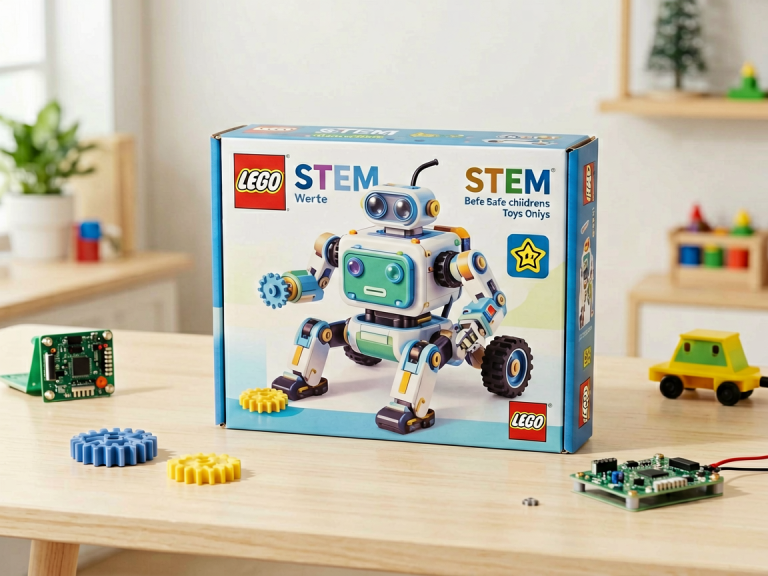
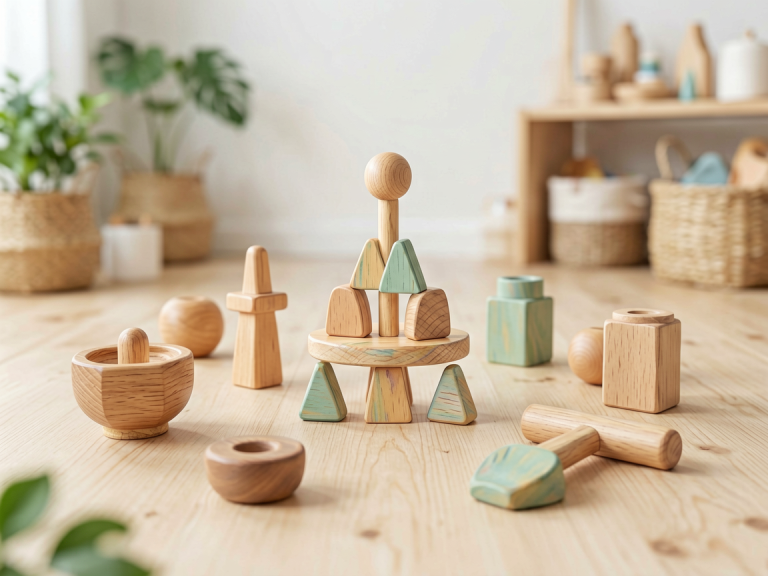
When comparing durability, it is essential to distinguish between cheap and high-end products. Solid hardwood toys—such as those made from beech, maple, or rubberwood—are remarkably resilient. They can withstand rough handling, drops, and even being chewed without losing their shape. A well-crafted wooden block set can be passed down through generations, often becoming family heirlooms. Plastic toys, however, vary widely. Thin, hollow plastic toys crack easily; the cheap plastic of many fast-food giveaways or dollar-store toys may break within days. On the other hand, injection-molded, thick plastic toys (like those from major brands such as LEGO or Duplo) are extremely durable, resistant to water, and can last for years. One advantage of plastic is its resistance to moisture and mold; wooden toys left in damp environments can warp, crack, or develop mildew. Plastic also does not dent or chip like wood. But plastic can become brittle over time when exposed to sunlight (UV degradation) or extreme temperatures. In terms of longevity, high-quality wooden toys generally outlast their plastic counterparts, largely because wood can be repaired—a broken wooden toy can often be glued or sanded, whereas a broken plastic toy is usually irreparable. However, plastic toys offer better performance in wet environments (e.g., bath toys) and are lighter, which can be an advantage for very young children. Overall, if the goal is a single toy that will serve multiple children over many years, well-made wooden toys are a superior investment.
Developmental Benefits: Sensory, Cognitive, and Motor Skills
A crucial aspect of the debate is how each type of toy influences child development. Proponents of wooden toys argue that their simplicity encourages open-ended play, creativity, and concentration. A set of wooden blocks, for example, can be used to build towers, trains, animals, or anything a child imagines, promoting spatial reasoning and problem-solving. Plastic toys, especially those that are electronic or battery-operated, often have fixed functions—a talking robot that says only a few phrases or a toy that lights up when you press a button—which can limit imaginative play. Research in developmental psychology supports the idea that simpler toys (regardless of material) foster longer, more creative play sessions. Wooden toys also offer rich sensory experiences: the weight, texture, and natural warmth of wood provide tactile variety that plastic cannot replicate. The subtle grain and slight variations in color stimulate visual discrimination. Additionally, wooden toys are often quieter, which can create a calmer play environment conducive to focused attention. However, plastic toys are not without developmental benefits. Bright colors and contrasting patterns can enhance visual development in infants. Many plastic toys are designed specifically for fine motor skills, such as interlocking bricks or shape sorters, which are equally effective whether made of wood or plastic. Moreover, plastic toys can be more easily cleaned and sanitized, an important factor in daycare settings where toys are shared. The critical point is that the developmental value depends more on the toy’s design and the child’s interactions than on the material itself. A well-designed plastic playset that encourages problem-solving is better for development than a poorly designed wooden toy that is merely decorative.
Aesthetic and Sensory Appeal: The Emotional Connection
The aesthetic qualities of toys play a role in both parents’ purchasing decisions and children’s engagement. Wooden toys have a timeless, organic beauty that many find appealing. Their natural colors and textures blend well with home décor, and they often evoke a sense of nostalgia and craftsmanship. Handcrafted wooden toys can be works of art, with smooth curves and subtle finishes that invite touch. This aesthetic appeal can create a positive emotional association for both parent and child, leading to greater care and longer use. Plastic toys, by contrast, are often brightly colored and glossy, which can be visually stimulating for young children. However, excessive brightness and flashing lights can be overstimulating, potentially contributing to shorter attention spans. The feel of plastic is uniform, cold, and slippery; it lacks the warmth of wood. On the other hand, some children are drawn to the vibrant colors and shiny surfaces of plastic—a personal preference that should not be dismissed. Sensory-wise, wooden toys provide a more natural, grounding experience, while plastic toys offer variety and novelty. Neither is inherently superior; the choice depends on the child’s temperament and the desired play environment.
Economic Considerations: Upfront Cost vs. Long-Term Value
From a financial perspective, wooden toys are generally more expensive than plastic toys of similar size and complexity. A simple wooden car can cost three times as much as a plastic one from a discount store. This upfront cost can be prohibitive for families on a tight budget. However, the long-term value must be considered. A high-quality wooden toy may last for decades, surviving multiple children and even grandchildren, ultimately costing less per year of use than a cheap plastic toy that breaks after a few months. Moreover, wooden toys often retain resale value; they can be sold second-hand or passed on, whereas used plastic toys have near-zero resale value. Another economic angle is the hidden cost of environmental impact, which, though not directly borne by the consumer, affects society. For families who can afford the initial investment, wooden toys can be a cost-effective choice over the long term. For those with limited budgets, there are still affordable wooden toys available from smaller manufacturers or second-hand markets, though they require careful inspection for safety. Meanwhile, plastic toys, especially those on sale, offer immediate affordability but may lead to more frequent replacements, waste, and exposure to potential toxins.
Conclusion: A Nuanced Verdict
After examining the evidence across environmental, safety, developmental, aesthetic, and economic dimensions, the question “Are wooden toys better than plastic toys?” cannot be answered with a simple yes or no. Wooden toys excel in sustainability, sensory richness, durability when well-made, and classic aesthetic appeal. They encourage open-ended, imaginative play and can be cherished heirlooms. Plastic toys offer affordability, variety, lightweight convenience, and often superior performance in wet environments. They can be just as safe and developmentally beneficial if they are high-quality, non-toxic, and designed for active play. The best choice ultimately depends on the specific toy, its intended use, the age of the child, and the family’s values. For parents seeking to minimize environmental impact and foster creativity, a curated collection of high-quality wooden toys is an excellent investment. For those prioritizing budget, convenience, or specific functional features, well-made plastic toys from reputable brands are a perfectly viable alternative. The ideal approach is a balanced mix: a few durable, beautiful wooden toys for open-ended play, complemented by a few plastic toys that serve specific purposes—such as bath toys, building bricks, or educational electronic tools. In the end, the material matters less than the thoughtfulness with which toys are selected, used, and cherished.