The Ultimate Guide to the Best Toys for 6-Year-Olds: Fun, Learning, and Development
Introduction
At the age of six, children are in a dynamic phase of development. They have left the toddler years behind and are entering a world of formal education, deeper friendships, and more complex thinking. Their attention spans are lengthening, their fine and gross motor skills are sharpening, and their imaginations are running wild. Choosing the right toys for this age group is about more than just keeping them occupied—it is about nurturing their cognitive growth, social skills, creativity, and physical health. The best toys for 6-year-olds strike a perfect balance between entertainment and education, offering open-ended play that grows with the child. From building sets that teach engineering principles to board games that encourage turn-taking, the options are vast. This guide will explore the most effective categories of toys for six-year-olds, providing detailed recommendations and explaining why each type supports a crucial aspect of childhood development.
STEM and Building Toys – Sparking Curiosity and Problem-Solving
Six-year-olds are natural engineers. They love to figure out how things work, stack blocks into towering structures, and experiment with cause and effect. STEM (Science, Technology, Engineering, and Math) toys harness this innate curiosity and turn it into valuable learning experiences. Building sets such as classic LEGO bricks or magnetic tiles like Magna-Tiles allow children to follow simple instructions or create their own designs. These activities strengthen spatial awareness, hand-eye coordination, and logical thinking. More advanced options, such as the Botley 2.0 coding robot, introduce basic programming concepts without a screen. Children can program Botley to navigate obstacle courses, teaching sequencing and debugging in a playful context. Another excellent choice is the Snap Circuits Jr. kit, which lets kids build working electrical circuits—lights, fans, and alarms—by snapping components onto a board. This hands-on approach demystifies science and gives a tangible sense of accomplishment. For a child who loves to build, consider the Marble Run sets by Hape or ThinkFun; these require planning and trial-and-error to create a track that successfully delivers a marble from start to finish. Not only do these toys improve problem-solving skills, but they also encourage persistence and patience—qualities that are essential for academic success.
Imaginative and Role-Play Toys – Boosting Creativity and Social Skills
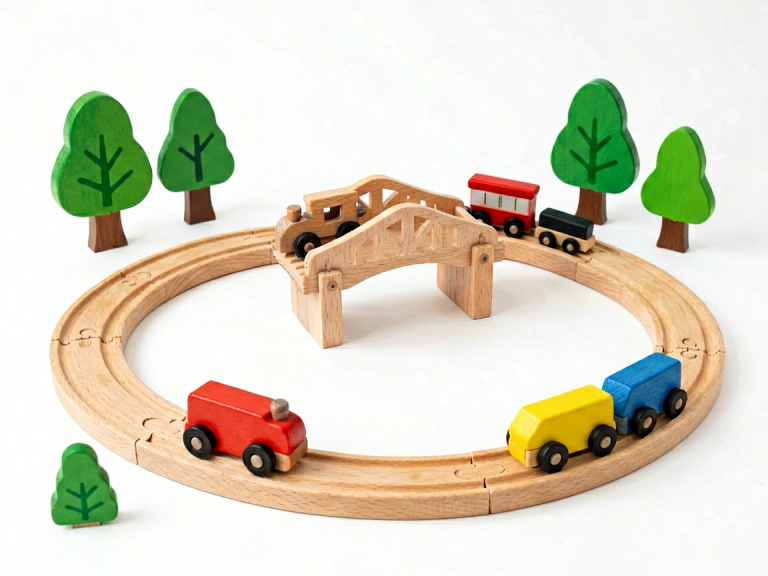
At six, pretend play is at its peak. Children invent elaborate scenarios, assign roles, and act out stories that help them make sense of the world. Role-play toys are therefore invaluable for developing empathy, language skills, and social understanding. Dress-up costumes—whether a doctor’s coat, a firefighter helmet, or a princess gown—allow children to step into different identities and practice real-life situations. A play kitchen with realistic pots, pans, and pretend food can lead to hours of cooking shows, restaurant games, and collaborative meal-making with friends or siblings. Similarly, a doctor’s kit with a stethoscope, syringe, and bandages lets a child become a caregiver, which builds compassion and reduces anxiety about medical visits. For more structured imaginative play, consider a wooden train set or an animal figurine collection. The Schleich brand offers highly detailed animals that inspire safari adventures or farm life. Action figures from popular media—like Marvel or Star Wars characters—also fuel storytelling, especially when combined with playsets such as castles or space stations. The key is that these toys have no fixed outcome; the child drives the narrative. This freedom enhances creativity, problem-solving in social contexts (e.g., negotiating who gets which role), and emotional regulation as they process fears and experiences through play.
Board Games and Card Games – Teaching Strategy, Patience, and Turn-Taking
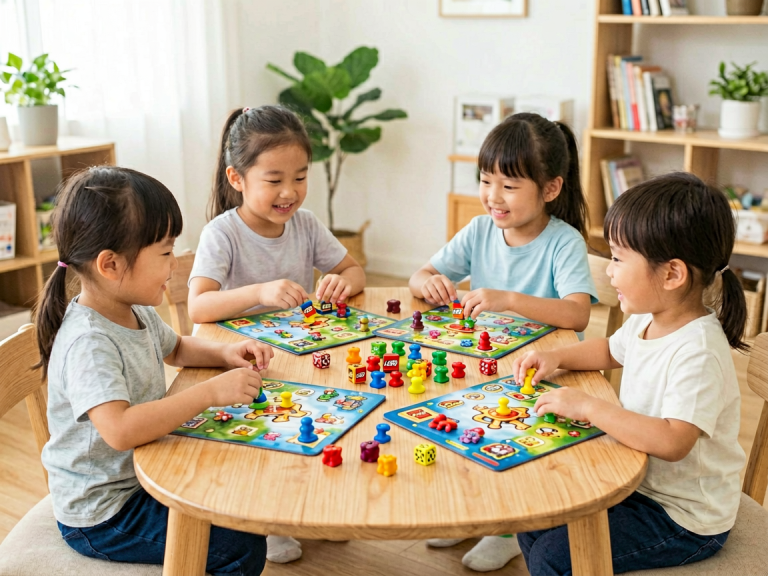
Six-year-olds are developmentally ready for more structured games with rules, but they still need games that are not overly complex. Board games and card games are fantastic tools for teaching social etiquette, frustration tolerance, and strategic thinking. Cooperative games, where players work together against the game itself, are especially beneficial because they reduce competitive stress and promote teamwork. For example, “Hoot Owl Hoot!” requires players to help owls fly back to their nest before the sun rises, fostering collaboration. Classic competitive games like “Candy Land” or “Chutes and Ladders” teach counting, color recognition, and the emotional skill of losing gracefully. “Uno” is a card game that builds number matching and color discrimination while encouraging quick thinking. Another engaging option is “Connect 4,” which introduces basic strategy and spatial planning. For language development, consider “Zingo!”—a bingo-style game that reinforces sight words. More recently, “The Floor is Lava” game gets children moving and laughing while they follow commands. The social benefits of board games cannot be overstated: children learn to wait for their turn, accept rules, handle disappointment, and celebrate others’ successes. These are life skills that no app can teach. For families, dedicating a regular game night builds bonding and communication, making these toys a long-term investment in emotional intelligence.
Outdoor and Active Toys – Encouraging Physical Activity and Coordination
In an age of screens, active outdoor play is more critical than ever. Six-year-olds have abundant energy and developing gross motor skills that need to be challenged. The best outdoor toys for this age are those that combine fun with physical exertion and skill development. A bicycle with training wheels (or a balance bike if they are ready) is a milestone toy that builds leg strength, coordination, and confidence. For a more compact option, a two-wheeled scooter—like the popular Micro Kickboard—improves balance and can be used on sidewalks or driveways. Jump ropes are simple yet powerful: they boost cardiovascular health, rhythm, and bone density. Additionally, sports equipment tailored to small hands—such as a foam soccer ball and miniature goal, a lightweight basketball hoop, or a T-ball set—introduces the basics of teamwork and hand-eye coordination. For unstructured adventure, consider a Ninja Line or an obstacle course kit that can be set up in the backyard. These promote agility, problem-solving (how to cross a slackline), and risk-taking in a safe environment. Water play, like a sprinkler set or a kiddie pool, also provides exercise and sensory stimulation. Importantly, outdoor toys encourage children to connect with nature, get fresh air, and develop a lifelong habit of physical activity. Parents can join in, making it a family affair that strengthens relationships while keeping everyone fit.
Arts and Crafts Kits – Fostering Fine Motor Skills and Self-Expression
Creativity is a vital outlet for a six-year-old’s emotions and ideas. Arts and crafts kits offer structured projects that still leave room for personal interpretation. Fine motor skills—like cutting, gluing, threading, and drawing—are refined through these activities, preparing hands for writing and other precise tasks. A high-quality art set with washable markers, colored pencils, watercolors, and paper is a staple. However, more specialized kits can provide focused learning. For instance, a jewelry-making kit with beads and elastic string allows a child to design patterns, practice sequencing, and gain pride in wearing their creations. Clay or Play-Doh sets with tools for sculpting enhance hand strength and three-dimensional thinking. For a mess-free option, consider a water magic coloring book or a scratch art kit, which reveals colors when the surface is scratched. Sticker mosaics and diamond painting kits teach patience and fine motor control while producing beautiful results. Painting easels and aprons encourage larger arm movements and color mixing. Beyond skill development, arts and crafts provide a therapeutic space for children to work through feelings—a child who is angry might create an aggressive drawing, while one who is happy might paint sunshine. Displaying their work boosts self-esteem. Moreover, craft kits that require following instructions—like a wooden birdhouse to assemble and paint—integrate STEM thinking with creativity, showing children that art and logic are not separate worlds.
Books and Puzzles – Building Literacy and Focus
Finally, no toy collection is complete without age-appropriate books and puzzles. At six, many children are beginning to read independently, but they still benefit from being read to. Look for early chapter books with simple sentences, engaging illustrations, and relatable characters—series like “Magic Tree House,” “Fly Guy,” or “The Princess in Black” are excellent choices. Interactive books that include flaps, sound buttons, or seek-and-find activities keep attention and make reading a game. Puzzles, on the other hand, are unmatched for developing concentration, visual discrimination, and logical reasoning. Floor puzzles with 100 pieces featuring dinosaurs, maps, or scenes from favorite stories challenge a six-year-old without overwhelming them. Jigsaw puzzles teach the concept of part-to-whole relationships and require trial-and-error problem-solving. For a twist, consider puzzle books such as “Where’s Waldo?” or activity books with mazes, word searches, and connect-the-dots. These sharpen focus and can be done alone or with a friend. Reading and puzzle-solving together strengthen cognitive endurance—the ability to stick with a task until completion. In a world of instant gratification, these toys gently train the brain to persist. They also offer quiet time, which is precious for both children and parents. By building a home library and providing a puzzle collection, you are laying the foundation for a lifelong love of learning and a calm, focused mind.
Conclusion
Selecting the best toys for a six-year-old requires a holistic view of their development. The ideal mix includes STEM toys that challenge the intellect, role-play sets that nourish the imagination, board games that teach social skills, outdoor equipment that strengthens the body, arts and crafts that refine fine motor abilities, and books and puzzles that build focus and literacy. No single toy can do everything, but a balanced variety ensures that a child grows in all dimensions—cognitively, emotionally, socially, and physically. When shopping, consider your child’s unique interests: a budding scientist might crave more Snap Circuits, while a future artist would prefer a deluxe art caddy. Also, prioritize toys that allow for open-ended play, because a toy that can be used in many ways will stay engaging far longer than one with a single function. Finally, remember that the best “toy” is often the presence of a caring adult who plays alongside the child. By investing in thoughtfully chosen toys and making time for shared play, you are not just buying objects—you are building memories and supporting a bright, joyful future.