Introduction: The Great Toy Debate
Title: Wooden vs. Plastic Toys for Learning: A Comparative Analysis of Cognitive, Developmental, and Environmental Impacts
—
In the modern era of early childhood education, few debates are as persistent—or as emotionally charged—as the one between wooden toys and plastic toys. Parents, educators, and developmental psychologists all weigh in, often with strong convictions. Wooden toys evoke nostalgia, craftsmanship, and a sense of timelessness; plastic toys promise brightness, affordability, and often interactive features. But when it comes to learning, which material truly supports a child’s cognitive, social, and emotional growth? This article delves into the nuanced differences between wooden and plastic toys, examining how each type influences sensory development, creativity, problem-solving skills, sustainability, and safety. By the end, readers will have a clearer framework for making informed choices that align with their educational goals and values.
—
Sensory and Cognitive Development: Texture, Weight, and Multi-Sensory Engagement
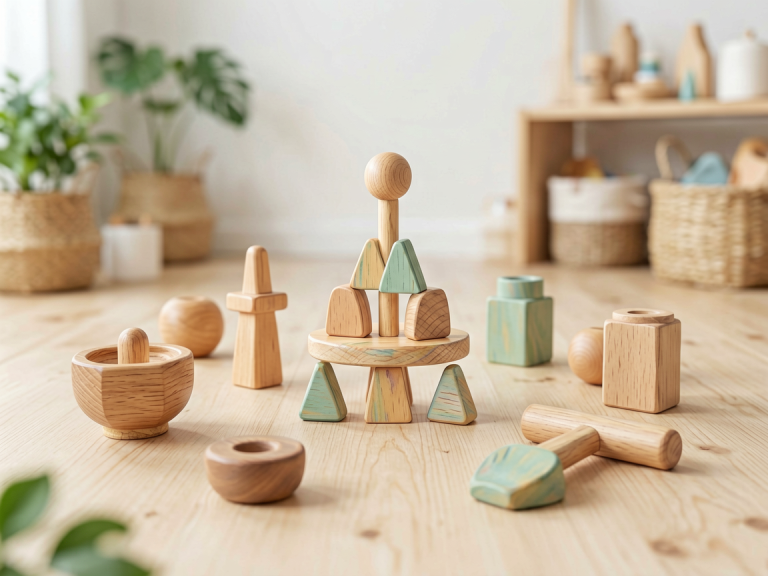
One of the most fundamental ways infants and toddlers learn is through their senses. Wooden toys offer a unique tactile experience that plastic often cannot replicate. The natural grain, slight variations in temperature, and subtle imperfections of wood provide rich sensory input. When a child handles a wooden block, they feel its weight, density, and texture—all of which help build proprioception and fine motor control. In contrast, most plastic toys are uniformly smooth, lightweight, and often hollow, delivering a less nuanced sensory signal.
Research in sensorimotor development suggests that varied tactile experiences stimulate neural connections in the somatosensory cortex. Wooden toys, especially those left untreated or finished with natural oils, also have a faint, organic scent that further engages the olfactory system. Plastic, by contrast, often carries a chemical odor (especially when new) that can be off-putting and even concerning from a health perspective.
Moreover, wooden toys tend to have simpler designs that encourage open-ended play. A simple wooden block can become a car, a house, a phone, or a piece of a castle. This flexibility forces the child’s brain to engage in symbolic thinking, a crucial precursor to abstract reasoning and literacy. Plastic toys, particularly those that are pre-shaped as specific characters or objects (e.g., a fire truck with fixed parts), often limit this symbolic flexibility. A child playing with a plastic fire truck that only “works” as a fire truck is engaging in less cognitively demanding play than a child transforming a wooden cylinder into a rocket ship.
That said, plastic toys are not without cognitive merit. Many plastic building sets (like interlocking bricks) require planning, spatial reasoning, and fine motor control. However, the key difference lies in the degree of sensory richness and open-endedness, which tends to favor natural materials in early childhood.
—
Durability, Safety, and Long-Term Usability
When evaluating toys for learning, durability matters because it affects how often a child can revisit a toy, and whether it can be passed down to siblings or other children. Wooden toys, when well-made, can last for decades. They resist breaking, do not develop sharp edges easily, and can be sanded or repainted if they become damaged. This longevity encourages a sense of stewardship and attachment in children, who may develop stronger emotional bonds with a cherished wooden train set than with a plastic counterpart that cracks or fades.
Safety is another critical dimension. High-quality wooden toys are often finished with non-toxic, water-based paints or natural beeswax, minimizing exposure to harmful chemicals. In contrast, many plastic toys, especially those from cheaper manufacturers, may contain phthalates, BPA, or other endocrine-disrupting compounds. Even “BPA-free” plastics can leach other chemicals, especially when chewed or exposed to heat. For infants who mouth everything, this is a significant concern.
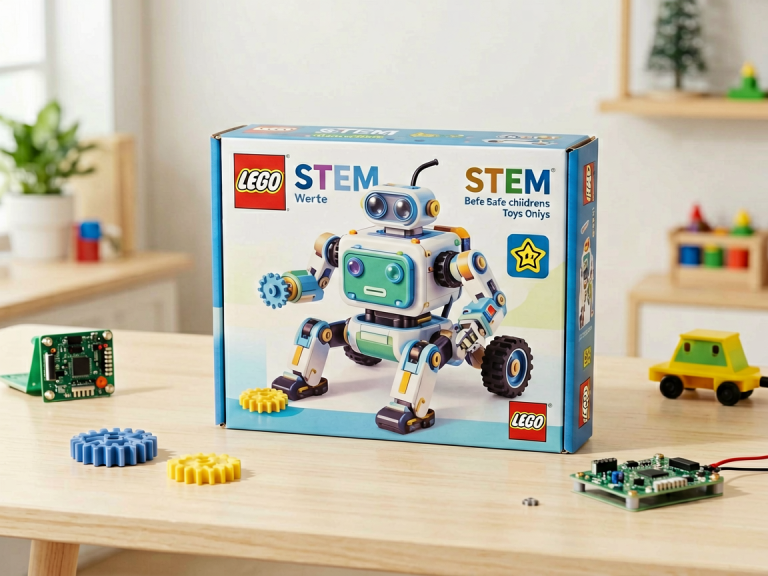
However, not all plastic is dangerous. High-grade ABS plastic used in reputable brands like LEGO or Duplo is generally considered safe and extremely durable. Moreover, plastic toys can be molded into complex shapes that wooden toys cannot, such as gears, intricate wheels, and transparent parts that allow children to see internal mechanisms. These features can be highly educational for older children learning about engineering and physics.
Ultimately, the safety and durability of a toy depend more on its manufacturing quality than its material alone. Nevertheless, from a learning perspective, a toy that endures through years of use offers more opportunities for repeated exploration, mastery, and intergenerational connection.
—
Encouraging Creativity and Imagination: Open-Ended vs. Closed-Ended Play
One of the most compelling arguments in favor of wooden toys is their tendency to promote open-ended play. Open-ended play has no predetermined outcome; the child decides the rules, the narrative, and the goal. This type of play is strongly linked to divergent thinking, problem-solving, and emotional regulation. A set of wooden blocks can be stacked, sorted, counted, balanced, or used as a stage for puppet shows. A wooden dollhouse invites infinite stories.
Plastic toys, especially those that are electronic or have predefined functions, often fall into the category of closed-ended play. A plastic toy that sings a song when a button is pressed directs the child’s attention to a single expected response. While this can teach cause and effect, it may also reduce the child’s need to invent alternative uses. However, this is not an absolute rule. Plastic LEGO bricks, for example, are highly open-ended despite being made of plastic. Similarly, plastic play food and kitchen sets can inspire imaginative role play.
The key distinction is not the material itself but the design philosophy. Many wooden toy manufacturers deliberately keep their products simple and unadorned, trusting the child’s imagination to fill in the details. Plastic toys are more frequently designed with bright colors, flashing lights, and sound effects to attract attention—features that can be overstimulating and may actually hinder sustained focus. Studies in child development suggest that excessive exposure to rapid, flashing stimuli can reduce a child’s ability to engage in deeper, more thoughtful play.
Therefore, when selecting toys for learning, parents should prioritize open-endedness over material. However, because wooden toys are often more naturally aligned with simplicity, they represent a safer bet for fostering creativity, especially during the toddler and preschool years.
—
Environmental Impact and Sustainability: A Learning Opportunity
Beyond immediate educational benefits, the choice between wooden and plastic toys can also serve as a lesson in environmental stewardship. Wood, when sourced from sustainably managed forests, is a renewable resource. Many wooden toy companies use FSC-certified wood and non-toxic finishes, ensuring that the product has a relatively low carbon footprint and can biodegrade at the end of its life.
Plastic, on the other hand, is derived from fossil fuels and is not biodegradable. Most plastic toys end up in landfills or oceans, contributing to the global plastic crisis. Even recycling is challenging due to the mixed materials and colors used in many toys. Teaching children about sustainability through the toys they use can be a powerful learning tool. A child who grows up playing with wooden blocks may develop a deeper respect for natural materials and the planet.
However, there is nuance. A single plastic toy that is used for many years by multiple children may have a lower environmental impact than a poorly made wooden toy that chips, cracks, and is thrown away after a few months. Furthermore, some plastic toys are now made from recycled materials or bioplastics. Yet, the long-term durability of wood often means it outperforms plastic in lifecycle analyses.
From an educational standpoint, discussing toy materials with children—where they come from, how they are made, and what happens when they are discarded—can build critical thinking about consumption and responsibility. This meta-learning, embedded in the physical objects themselves, is a unique advantage of thoughtfully chosen toys.
—
The Role of Technology and Modern Learning Needs
In today’s digital age, some argue that plastic toys have an edge because they can incorporate technology—sensors, lights, and sounds—that can be programmed for adaptive learning. For example, a plastic tablet-shaped toy might teach letters through interactive games. However, the American Academy of Pediatrics recommends limited screen time for young children, and many studies indicate that passive, electronic toys are less effective for learning than hands-on, manipulative play.
Wooden toys, by being tech-free, encourage active learning rather than passive consumption. A child rotating a wooden puzzle piece to fit a shape is engaging spatial reasoning, persistence, and motor control all at once. No electronic toy can replicate the embodied cognition involved in physically manipulating a solid object.
For older children, plastic toys like robotics kits or snap-together circuits can teach STEM concepts in ways that wood cannot match. The material’s ability to be molded into precise, moving parts makes it indispensable for certain educational goals. Thus, the best learning environment likely includes a mix: wooden toys for foundational sensory, imaginative, and fine-motor development in early years, and plastic-based construction and science kits for later stages of logical and technical learning.
—
Conclusion: A Balanced Approach to Learning Through Play
Neither wooden nor plastic toys are inherently superior for learning. The choice depends on the child’s age, developmental stage, and the specific learning goals. Wooden toys excel in sensory richness, durability, environmental friendliness, and open-ended creativity—qualities that are especially valuable for infants, toddlers, and preschoolers. Plastic toys, when designed thoughtfully, offer advantages in precision, complexity, and STEM education for older children.
The real enemy of learning is not the material but the toy’s design: overstimulating, single-function, and poorly made toys, regardless of material, fail to support deep cognitive engagement. Parents and educators should prioritize high-quality, open-ended, and safe toys—whether wood or plastic—that invite exploration, repetition, and imagination. By understanding the trade-offs, we can curate a toy collection that nurtures the whole child: mind, body, and planet.