The Ultimate Guide to Safe Toys for 6-Year-Olds: Playful, Educational, and Risk-Free
—
Introduction
Play is the engine of childhood development. For a 6-year-old, toys are not just objects of amusement but essential tools for building cognitive skills, social abilities, and physical coordination. However, as children at this age become more independent, curious, and adventurous, the risks associated with poorly designed or inappropriate toys also increase. A 6-year-old is no longer a toddler who puts everything in their mouth, yet they are still not old enough to judge potential hazards like sharp edges, toxic materials, or choking dangers. Therefore, selecting safe toys for this age group requires a careful balance between challenge and protection. This guide explores the key safety considerations, recommended types of toys, materials to avoid, and practical tips for parents, caregivers, and educators. By the end, you will have a comprehensive understanding of how to choose toys that foster growth without compromising well-being.
—
Why Toy Safety Matters for 6-Year-Olds
At age 6, children are typically in kindergarten or first grade. They have better motor skills, can follow complex instructions, and enjoy imaginative play. Yet their judgment is still developing. They might try to use a toy in a way it was not intended—like throwing a heavy block or pulling a string too hard. Common injuries from toys include cuts from sharp edges, bruises from hard surfaces, chemical poisoning from toxic paints, and ingestion of small parts. According to the U.S. Consumer Product Safety Commission (CPSC), thousands of children are treated in emergency rooms annually for toy-related injuries. Many of these incidents are preventable when parents understand age-appropriate safety standards. For 6-year-olds, the primary hazards are not just choking (as with younger children) but also strangulation from long cords, impact injuries from projectiles, and burns from batteries or electronic components. A safe toy is one that aligns with the child’s developmental stage, is made from non-toxic materials, has no loose parts, and is durable enough to withstand rough play.
—
Key Safety Standards and Certifications
Before purchasing any toy, it is crucial to check for recognized safety certifications. In the United States, the ASTM F963 standard is the benchmark for toy safety. It covers mechanical, physical, and chemical properties. Similarly, the CE mark indicates compliance with European Union safety directives. For 6-year-olds, look for toys that explicitly state “for ages 5+” or “ages 6+” on the packaging. This labeling is not arbitrary; it reflects test results for small parts, sharp points, and other hazards. Additionally, consider toys that carry the “GREENGUARD Gold” certification, which ensures low chemical emissions, or the “OEKO-TEX Standard 100” label for textiles. Always avoid toys that have not been independently tested or that come from unknown manufacturers. Even if a toy looks harmless, its paint could contain lead, or its plastic could release phthalates. Remember: a price tag is not a guarantee of safety. Buying from reputable brands that prioritize safety testing is always a wise choice.
—
Recommended Types of Safe Toys for 6-Year-Olds
1. Construction and Building Sets
Building sets like interlocking blocks, magnetic tiles, or snap-together pieces are excellent for 6-year-olds. They enhance spatial reasoning, creativity, and fine motor skills. Ensure the pieces are large enough (at least 1.25 inches in diameter) to prevent swallowing. Choose sets made from non-toxic BPA-free plastic or sustainably sourced wood. Avoid magnetic toys that contain small, loose magnets—if two or more are ingested, they can cause life-threatening intestinal damage. For 6-year-olds, blocks with larger magnets that are securely embedded are safe.
2. Art and Craft Supplies
Crayons, washable markers, watercolor paints, modeling clay, and sticker kits allow self-expression. Look for “non-toxic” labels on art materials. For paints, select those that are AP (Approved Product) certified by the Art and Creative Materials Institute. Avoid powders or glitter that can be inhaled. Also, check that scissors are blunt-tipped and that glue sticks are solvent-free. A craft apron and a table cover can help contain mess, but safety is the priority: no art supplies should contain known carcinogens.
3. Puzzles and Board Games
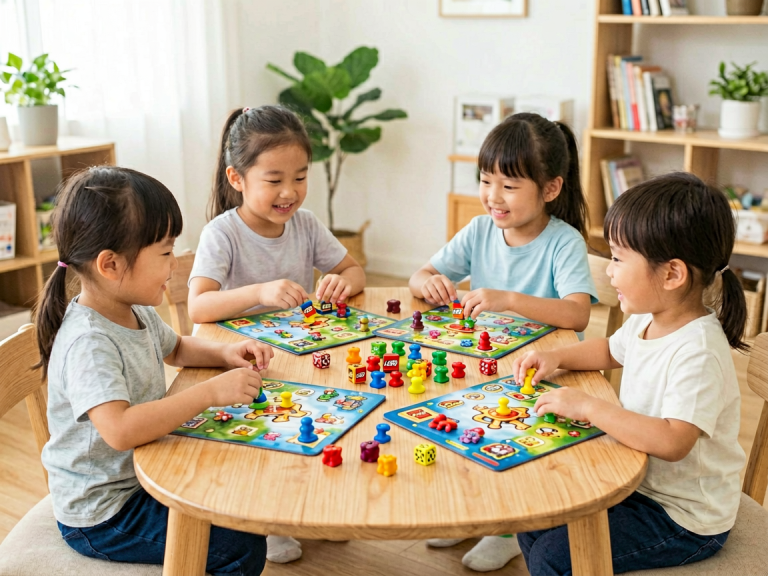
Puzzles with 24 to 100 pieces challenge a 6-year-old’s problem-solving skills without causing frustration. Ensure puzzle pieces are thick and have no sharp corners. Board games designed for ages 5 or 6 (like “Candy Land,” “Sequence for Kids,” or “Zingo”) encourage turn-taking, counting, and social interaction. Check that all game components—dice, tokens, cards—are larger than a choking hazard. Avoid games with tiny game pieces that could be lost or swallowed.
4. Active and Outdoor Toys
Bicycles, scooters, jump ropes, and sports balls promote gross motor development. For 6-year-olds, a bike with training wheels (or a balance bike) should have a properly fitted helmet. Jump ropes should have handles that are securely attached, and the rope itself should be made of soft, flexible material to avoid whiplash injuries. Soccer balls and basketballs should be size 3 or 4—smaller and softer than adult versions. Always supervise outdoor play near roads or uneven terrain.
5. Science and Discovery Kits
Simple science kits (crystal growing, volcano reactions, or bug-catching kits) satisfy a 6-year-old’s natural curiosity. However, these kits often contain chemicals or small tools. Look for kits labeled “for ages 6+” and ensure all chemicals are non-hazardous (e.g., baking soda, citric acid). Avoid kits that require heating elements or glass. Parental involvement is crucial—use these toys together, and store chemicals out of reach when not in use.
6. Role-Play and Dress-Up Sets
Costumes, doctor kits, kitchen sets, and tool sets allow imaginative play. Choose costumes made from flame-retardant fabric and avoid long capes or scarves that could strangle. Check that pretend food or tools are not made of materials that splinter. Also, ensure that any props (like plastic knives) have blunt edges.
—
Materials to Choose and Avoid
Safe Materials
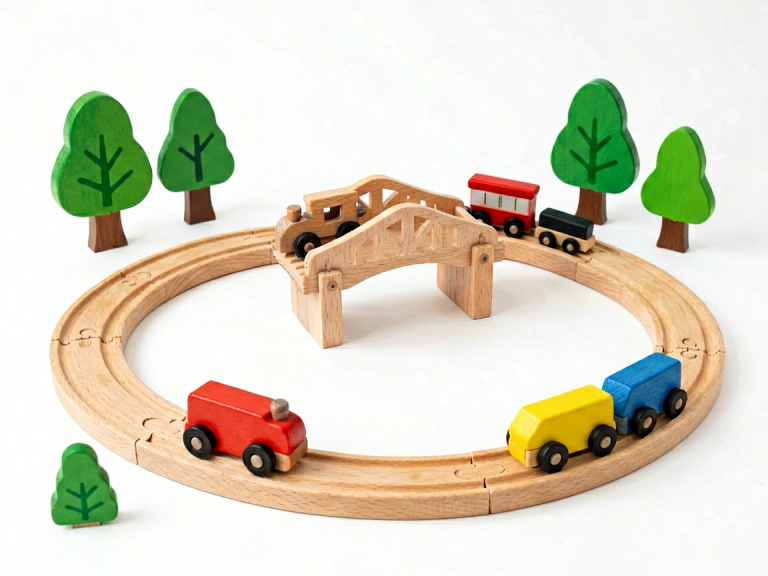
- Natural wood: Look for solid wood (not particleboard) with water-based, non-toxic paints or finishes. Sanded edges are essential.
- Silicone: Flexible, durable, and free of BPA, phthalates, and lead. Ideal for teething toys or bath toys.
- Food-grade stainless steel: Safe for cooking toys or metal parts.
- Organic cotton or wool: For stuffed animals, dolls, and play tents—hypoallergenic and free of chemical treatments.
Materials to Avoid
- PVC (polyvinyl chloride): Often contains phthalates to soften plastic. Linked to hormone disruption. Avoid soft plastic toys that smell like chemicals.
- Lead and cadmium: Found in old painted toys, cheap jewelry, and some imported plastics. Even small amounts are neurotoxic.
- Phthalates: Common in vinyl and some scented erasers. Choose “phthalate-free” labels.
- BPA (bisphenol A): Often in clear hard plastics. Opt for BPA-free polypropylene or polyethylene.
- Formaldehyde: Sometimes used in resin-coated toys. Avoid toys with a strong chemical odor.
- Small magnets and button batteries: Even if the toy is for 6-year-olds, these components should be securely enclosed. If a battery compartment can be opened without a screwdriver, reject the toy.
—
Tips for Parents and Caregivers
Even with the safest toys, adult supervision and regular maintenance are essential. Here are practical tips:
- Read labels carefully: Every package lists age recommendations and safety warnings. Don’t ignore them. A toy marked “for 3+” may have small parts that a 6-year-old could still choke on if they have a habit of mouthing objects.
- Inspect toys regularly: Check for sharp edges from cracked plastic, loose eyes on stuffed animals, frayed strings, or peeling paint. Discard broken toys immediately.
- Store toys properly: Use bins or shelves that are accessible but not climbable. Keep small-parts toys separate from those for younger siblings.
- Teach safety rules: Explain to your child why they should not put toys in their mouth, why they should wear a helmet, and why they should not run with sharp objects.
- Beware of second-hand toys: Used toys may have worn-out parts or contain outdated materials (like lead paint). Before gifting or purchasing at a garage sale, research the brand and check for recalls. The CPSC website maintains a searchable database.
- Limit electronic toys: While interactive electronics can be educational, they often contain lithium batteries that can overheat, leak, or be ingested. Choose USB-rechargeable toys with locked battery compartments. Also, loud sounds can damage hearing—test the volume before allowing prolonged use.
- Favor open-ended toys: Toys that can be used in multiple ways (blocks, art supplies, simple puppets) are safer because they encourage creativity without relying on potentially dangerous features like projectiles or sharp edges.
—
The Role of Play in Safe Development
Safety is not about wrapping children in bubble wrap—it is about providing an environment where they can explore, fail, and learn without unnecessary risk. For 6-year-olds, the right toys build resilience. A well-constructed balance bike teaches coordination and risk assessment. A sturdy yet soft foam sword allows sword fighting without injury. A chemistry set with safe ingredients sparks a lifelong love of science. When toys are safe, children can push their boundaries in a controlled way, developing autonomy and confidence. Moreover, safe toys reduce parental anxiety, allowing caregivers to step back and let play happen naturally.
—
Conclusion
Choosing safe toys for 6-year-olds requires a blend of vigilance and knowledge. By prioritizing age-appropriate designs, non-toxic materials, and third-party certifications, you can create a play environment that is both stimulating and secure. Remember that no toy is 100% risk-free, but the best toys are those that are thoughtfully designed for the developmental needs of a 6-year-old—encouraging imagination, movement, and learning while minimizing hazards. Always stay informed about product recalls, listen to your child’s unique behaviors, and don’t hesitate to test a toy yourself before handing it over. In the end, the safest toy is one that brings joy without a trip to the emergency room. Let play be the adventure it deserves to be, with safety as the trusted foundation.
*(Word count: approximately 1,350 words)*