The Ultimate Guide to Safe Toys for 7-Year-Olds: Balancing Fun, Development, and Protection
Introduction
Choosing the right toys for a 7-year-old is both an exciting and a delicate task. At this age, children are transitioning from early childhood into a phase marked by greater independence, cognitive leaps, and refined motor skills. They are curious, social, and eager to explore the world through play. However, this very enthusiasm can sometimes lead them into unsafe situations if the toys they use are not carefully selected. Safety is not merely about avoiding sharp edges or toxic paints—it encompasses choking hazards, electrical risks, chemical exposure, and even psychological wellbeing. This guide provides a comprehensive, research-backed overview of what makes a toy truly safe for a 7-year-old, covering materials, design, age-appropriate features, and parental oversight. By understanding these principles, caregivers can confidently choose playthings that nurture growth without compromising health.
Why Toy Safety Matters at Age 7
Many parents assume that once a child reaches school age, toy risks diminish. In reality, 7-year-olds face unique safety challenges. Their hand-eye coordination and reaction times are still developing, meaning they may not always avoid a collision or a fall. They are also more likely to engage in independent play without constant adult supervision, which increases the chance of accidents involving small parts, batteries, or long cords. Furthermore, 7-year-olds are highly impressionable and may imitate dangerous behaviors they see in media or from older siblings. According to the U.S. Consumer Product Safety Commission (CPSC), thousands of toy-related injuries occur each year among children aged 5 to 9, with lacerations, contusions, and ingestions being the most common. Therefore, selecting safe toys is not a one-time check but an ongoing process that considers the child’s changing abilities and environments—at home, at school, and in outdoor play areas.
Key Safety Standards and Certifications
Before purchasing any toy, it is essential to recognize the international safety marks that indicate compliance with rigorous testing. In the United States, look for the CPSC approval and the ASTM F963 standard, which covers mechanical, electrical, and flammability requirements. In Europe, the CE mark along with EN 71 (European Standard for Safety of Toys) provides similar assurance. For electronic toys, certification from UL (Underwriters Laboratories) or FCC (for wireless devices) ensures that batteries and components do not overheat or emit harmful radiation. A 7-year-old’s toy should also be free of phthalates, lead, and BPA, as specified by CPSIA (Consumer Product Safety Improvement Act). Always check the packaging for these logos; if a toy lacks them, it may have been manufactured without proper oversight. Additionally, be cautious of toys labeled "for ages 3+"—while they may be safe for that age group, they can still contain small parts or features that are inappropriate for a 7-year-old’s strength or curiosity. The best approach is to match the toy to the child’s developmental level, not just their chronological age.
Material Safety: What to Look For and What to Avoid
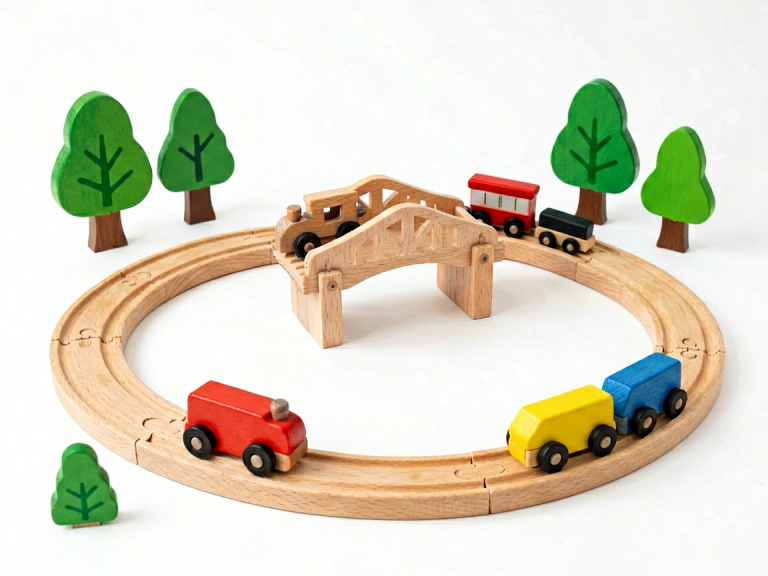
The physical composition of a toy directly affects its safety. For 7-year-olds, non-toxic plastics (like polypropylene or polyethylene) are generally safe, but avoid PVC (polyvinyl chloride) which may contain phthalates. Wooden toys should be made from sustainably sourced hardwood (such as beech or maple) and finished with water-based, lead-free paints or natural oils. Soft toys and plush dolls must have seams that are triple-stitched to prevent stuffing from escaping, and eyes or noses should be embroidered rather than glued or buttoned, to eliminate choking risk. Metal components, such as in construction sets or bicycles, should be free of sharp edges and coated with non-toxic powder finishes. Another critical aspect is thermal safety: toys that require heat, like those with light bulbs or glue guns, should have low-temperature settings and automatic shut-off features. Batteries—especially button batteries—are a silent hazard. Any toy with a battery compartment must have a screw-secured lid to prevent a child from accessing the batteries. If swallowed, button batteries can cause severe internal burns within two hours. Therefore, electronic toys for 7-year-olds should ideally use rechargeable lithium-ion packs that are fully enclosed, or AA/AAA batteries with child-resistant locks.
Age-Appropriate Toy Categories for 7-Year-Olds
Not all toys are created equal, even within the same age bracket. A safe, engaging toy for a 7-year-old falls into one of several categories, each with its own safety considerations.
STEM and Building Kits
These are excellent for cognitive development. Look for kits that use magnets fully encased in plastic (not loose neodymium magnets that can be swallowed). Construction sets like magnetic tiles or snap-together circuits should have pieces larger than a standard choking tube (1.75 inches in diameter). Avoid kits with small springs, screws, or wires that can easily detach. Ensure that any included battery pack has a low-voltage DC output (max 6V) and is encased in a sealed unit.
Arts and Crafts
Crayons, markers, and paints should be nontoxic and washable. For scissors, choose blunt-tip safety scissors. Glue should be water-based and free of solvents. Beware of craft kits that include tiny beads, googly eyes, or glitter—these can easily scatter and become choking hazards. Also, check for ventilation if the kit involves sprays or permanent markers. A 7-year-old should never use hot glue guns without adult supervision; if the kit includes one, it must have a low-temperature setting and a thermal safety switch.
Outdoor and Active Play
Bicycles, scooters, and skateboards require helmets and protective gear (knee pads, elbow pads). The toy itself should have rounded edges, no protruding bolts, and a maximum weight limit that suits your child’s size. Trampolines—often considered fun—are actually high-risk for 7-year-olds due to uncontrolled bouncing and collisions; if you choose one, use a full enclosure net and place it on a soft surface. Water toys like pools must have drain covers compliant with federal safety standards (anti-entrapment).
Board Games and Puzzles
These are generally safe, but watch for small game pieces, dice, or cards that children might put in their mouths. Opt for games with oversized tokens and solid storage boxes that don’t have sharp hinges. Card games should have rounded corners. Magnetic board games should use only low-gauss magnets that are securely embedded.
Electronic Devices and Remote-Controlled Toys
Many 7-year-olds now want tablets or simple robots. Tablets should have robust parental controls to limit screen time and block inappropriate content. If a toy has a camera or microphone, ensure it cannot upload data without parental permission, to protect privacy. Remote-controlled cars and drones should have low-power rechargeable batteries and propellers made of soft foam rather than hard plastic. Always check that the charging cable has short-circuit protection.
The Role of Supervision and Maintenance
Even the safest toy can become dangerous over time. Parents and caregivers must regularly inspect toys for wear and tear. Check for cracks in plastic, loose screws, frayed wires, and peeling paint. Stuffed animals should be laundered according to instructions to prevent dust mite accumulation and mold. Batteries should be removed when the toy is not in use for extended periods, as leaking batteries release corrosive chemicals. Outdoor toys need to be stored away from moisture and direct sunlight to avoid material degradation. Supervision is equally important: a 7-year-old should be taught to use toys responsibly—for example, not swinging a baseball bat near others, or not throwing a hard ball indoors. They should also understand basic rules like keeping small parts away from younger siblings. While independence is encouraged, a quick check-in during play can prevent injuries.
Avoiding Common Pitfalls: Marketing vs. Reality
The toy industry is filled with flashy marketing that emphasizes fun and education but may downplay risks. For example, a "chemistry set" labeled for ages 7 might include chemicals that are too potent for a child without lab safety skills. Always read the full product description and reviews from other parents. Another pitfall is the "unboxing" trend—children may see influencers playing with toys that are actually dangerous or contain unfamiliar components. Do not assume that a toy is safe just because it is popular. Additionally, be wary of toys that claim to be "non-toxic" without certification. Some manufacturers use the term loosely. Cross-check with databases like the CPSC recall list or the HealthyStuff.org database. Finally, avoid toys with high decibel levels—some electronic toys exceed 85 dB, which can damage hearing over time. A simple test: if a toy sounds uncomfortably loud to an adult, it is too loud for a child.
Conclusion: Empowering Safe Play
Selecting safe toys for a 7-year-old is not about restricting fun—it is about creating an environment where joy and learning can flourish without unnecessary risk. By understanding materials, certifications, age-appropriate designs, and the importance of ongoing supervision, caregivers can make informed choices that support a child’s physical, cognitive, and emotional development. Remember that safety is a shared responsibility: involve your child in the process by explaining why certain toys are chosen and how to use them properly. A 7-year-old who understands the "why" behind safety rules is more likely to adopt them as lifelong habits. As the child grows, revisit the toy box regularly, donate or recycle items they’ve outgrown, and stay updated on recall news. With thoughtful selection and mindful usage, toys remain powerful tools for imagination, discovery, and healthy growth—exactly as they should be.