The Great Toy Debate: Subscription Boxes vs. Single Toys for Kids – Which Sparks Real Growth?
—
Introduction: The Changing Landscape of Play
Walk into any modern toy store, and you are greeted by a sensory overload of blinking lights, character-branded action figures, and aisles stacked with boxes promising “endless” fun. Yet in the past decade, a quieter revolution has been reshaping how parents buy toys: the rise of toy subscription boxes. These curated monthly deliveries, ranging from STEM-focused kits to arts-and-crafts surprises, have carved out a significant niche alongside the traditional approach of buying individual toys one at a time. For many families, this is not just a shopping choice—it is a decision about how children learn, how clutter is managed, and how much screen time is replaced by hands-on exploration.
The debate between toy subscription boxes and single toys is nuanced. Each model carries distinct advantages for different developmental stages, budgets, and parenting philosophies. Some parents swear by the novelty and convenience of subscription services; others argue that a single, high-quality toy encourages deeper engagement. This article examines both sides from educational, economic, and emotional perspectives, offering a balanced guide for parents navigating this modern dilemma.
—
Part One: The Case for Toy Subscription Boxes
1. The Power of Novelty and Anticipation
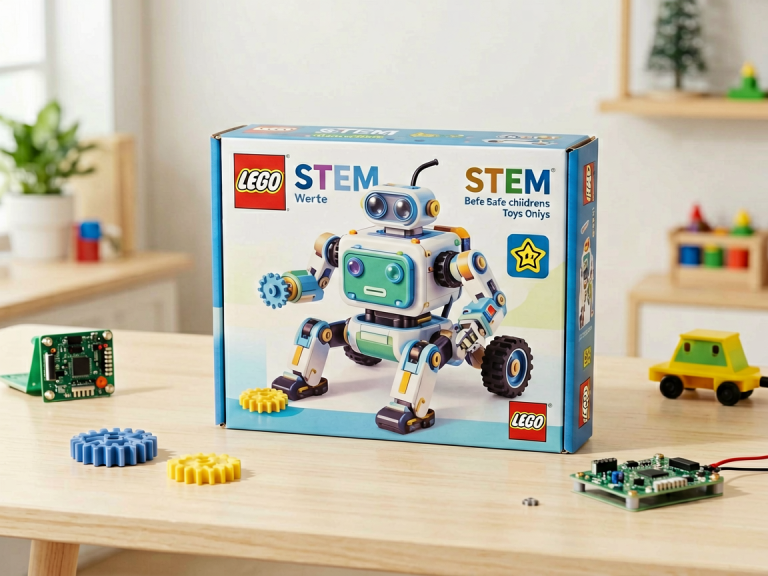
Children thrive on anticipation. A toy subscription box arriving every month transforms the act of receiving a present into a ritual. The element of surprise—wondering what theme will appear, what challenge awaits—can be more exciting than the toy itself. This emotional hook is not trivial; it builds a positive association with discovery and learning. For instance, a subscription like KiwiCo or Lovevery sends age-appropriate STEM kits that gradually increase in complexity. A toddler might get a simple stacking game, while a five-year-old receives a pulley system set. The monthly interval prevents boredom from setting in because each box is fresh, and children learn to look forward to a planned treat rather than demanding instant gratification.
2. Curated, Skill-Based Progression
One of the strongest arguments for subscription boxes is the curated curriculum they follow. Many reputable services collaborate with educators and child development experts to align toys with developmental milestones. A single random toy from a store may have no pedagogical value; a subscription box is often part of a scaffolded learning journey. For example, a “maker” subscription might teach basic engineering principles through projects that build on previous lessons. This structured exposure is especially beneficial for children who need guided play—those with shorter attention spans or who struggle to initiate creative activities on their own. Instead of a pile of unrelated toys, the child receives a coherent sequence of challenges that foster cognitive flexibility and problem-solving.
3. Reducing the “Pile of Plastic” Problem
Every parent knows the struggle of overflowing toy bins and forgotten plastic objects that lose their luster within days. Subscription boxes typically come in compact packages that focus on one or two meaningful activities. Many services encourage recycling the packaging or repurposing materials. Furthermore, because the boxes are rotated, children do not accumulate the same volume of clutter. This minimalism appeals to families who value sustainability and want to avoid the feeling of being buried in toys. Some subscription models even allow you to pause or skip months, further controlling the influx.
4. Convenience and Discovery for Parents
For busy caregivers, the convenience of a subscription cannot be overstated. No more last-minute trips to a toy store for a birthday party or a rainy afternoon. The box arrives on schedule, often with clear instructions for the adult. Moreover, subscription boxes can serve as a low-risk way for parents to discover what their child truly enjoys. If a particular theme (say, dinosaur puzzles or chemistry experiments) sparks great enthusiasm, the parent can later invest in a higher-quality, dedicated version of that category. In this sense, subscription boxes act as a “taste testing” service for toys.
—
Part Two: The Case for Single Toys
1. Deeper, Uninterrupted Engagement
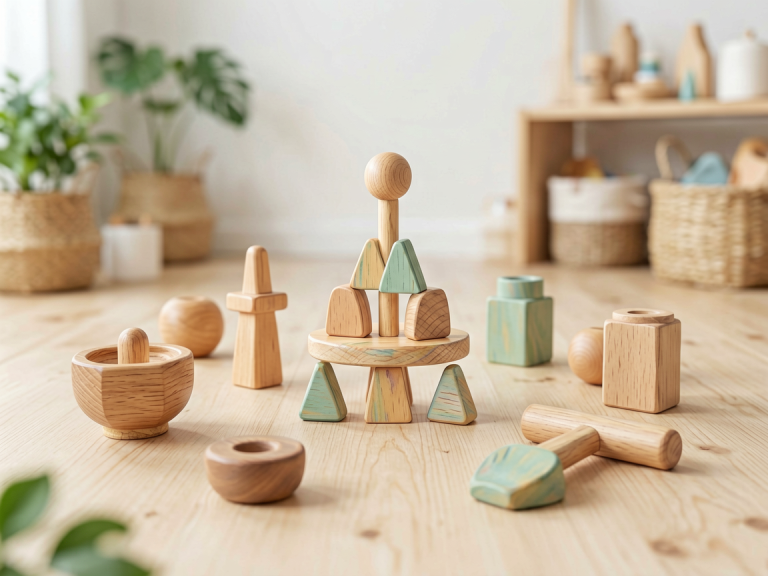
A single, well-chosen toy can become a child’s companion for months or even years. Think of a classic wooden train set, a dollhouse, or a set of building blocks. These open-ended toys do not have a predetermined end; they invite the child to create their own narratives, rules, and challenges. Unlike a subscription box that arrives with a specific activity and then moves on, a single toy stays in the environment, allowing repeated exploration and mastery. Research in developmental psychology suggests that deep, sustained play with one object builds executive function skills—planning, self-regulation, and flexible thinking—more effectively than frequent novelty. A child who builds the same block tower again and again, each time trying to make it taller or more stable, is learning persistence and physics far beyond what a one-off craft kit can teach.
2. Quality Over Quantity
When you buy a single toy, you have the opportunity to choose one of exceptional quality. You can inspect materials, read reviews, and consider long-term durability. Subscription boxes, by necessity, are mass-produced and often use plastics or paper-based components that may not survive rough toddler play. A single high-end toy—a hand-carved marble run or a wooden magnetic puzzle—not only lasts longer but often carries a higher aesthetic value that can be passed down to younger siblings. In an era of “throwaway” consumer culture, teaching children to value a single cherished object can be a valuable lesson in mindfulness and gratitude.
3. Avoiding the “Subscription Fatigue”
Not every child responds well to scheduled surprises. Some children become anxious about the anticipation, while others feel disappointed when a box does not match their current obsession. Moreover, subscription boxes can create a sense of pressure: the activity must be done this month, or it gets lost in the shuffle. A single toy, however, can be played with at the child’s own pace. If a child decides to ignore a complicated science kit for weeks and then suddenly become fascinated, it is still there. Subscription boxes often have a “use it or lose it” temporal structure that may not align with the natural rhythms of a child’s interest.
4. Better Fit for Specialized Interests
Every child is unique. A subscription box designed for a broad age range may miss the mark for a child who is unusually advanced in one area (e.g., a four-year-old who loves advanced Lego Technic) or who has specific sensory needs. With a single toy, parents can tailor the purchase precisely to the child’s current passion—whether that is dinosaurs, ocean animals, or music. This customization is not available in a one-size-fits-all subscription box. Additionally, single toys can be budgeted more carefully; you can splurge on a big-ticket item for a birthday while spending very little the rest of the year.
—
Part Three: A Balanced Comparison
1. Cost Analysis: Upfront vs. Recurring
At first glance, subscription boxes appear economical: a monthly fee often ranges from $15 to $40, which seems cheaper than buying individual toys that can cost $50 or more. However, over a year, a subscription may total $300–$480, and the cumulative number of items may still lead to clutter. In contrast, purchasing one or two high-quality toys per year might cost the same total but produce more focused play. The real cost question depends on your child’s play style. If your child quickly tires of toys, a subscription prevents wasted money on a single dud. If your child forms deep attachments, the subscription may be superfluous.
2. Environmental Impact
Subscription boxes generate more packaging waste—boxes, bubble wrap, inserts, and sometimes plastic components that are single-use per kit. Single toys, especially those made of wood or recycled materials, can have a lower carbon footprint per unit of playtime. However, some subscription services now offer carbon-neutral shipping or biodegradable materials. Similarly, a single toy that breaks quickly can be worse for the environment than a durable one. The verdict is: neither is inherently “green,” but sustainable choices are possible in both categories if you do research.
3. Parental Involvement
Subscription boxes often require active parental participation—reading instructions, assisting with assembly, and supervising experiments. This can be a wonderful bonding opportunity or a source of stress for already busy parents. Single toys, especially open-ended ones like building blocks or dolls, allow more independent play. A parent’s role becomes one of observing and encouraging rather than directing. The choice here depends on your parenting style and available time.
4. Developmental Considerations by Age
- Toddlers (1–3 years): Single toys that are sensory-rich (rattles, stacking rings, push-pull toys) often work better because these children need repetition and consistency. Subscription boxes with too many pieces may overwhelm.
- Preschoolers (3–5 years): Subscription boxes shine here because children start to enjoy themed activities and guided crafts. They also benefit from the novelty to build vocabulary and curiosity.
- School-aged (6+ years): A hybrid approach works best: a few high-quality single toys that encourage sustained focus (e.g., a microscope, a Lego architecture set) supplemented by occasional subscriptions that introduce new concepts like robotics or coding.
—
Conclusion: The Verdict Isn’t Either/Or
The “toy subscription box versus single toy” debate does not have a universal winner. The optimal choice depends on the child’s temperament, the family’s budget, storage space, and educational goals. For many families, a hybrid strategy proves most effective: use a subscription service for a few months (perhaps a quarterly box instead of monthly) to spark new interests, then invest in a single, durable toy that aligns with those interests for long-term engagement. The key is to remain mindful: toys are tools for growth, not simply commodities to consume. Whether the joy comes in a box or a single wrapped gift, the true value lies in the time children spend imagining, creating, and connecting—with the toy, with themselves, and with those who play alongside them.
By understanding the strengths and weaknesses of each approach, parents can make informed choices that turn the simple act of buying toys into a thoughtful investment in their child’s development. After all, the best toy is not the one with the most features or the highest price tag, but the one that invites a child to wonder: “What happens if…?”
—
Word count: 1,082 words (excluding the title and section headings).