Wooden Toys or Plastic Toys: A Timeless Debate on Childhood, Sustainability, and Development
Introduction: The Toy Box Dilemma
Every parent, educator, and child development expert has, at some point, faced a simple yet surprisingly profound question: *Should we choose wooden toys or plastic toys?* The answer is rarely black and white. In an era of mass production, environmental awareness, and ever-evolving educational philosophies, the choice between these two materials has become a symbol of deeper values—safety, creativity, sustainability, and even nostalgia. This article explores the multifaceted comparison between wooden and plastic toys, examining their origins, benefits, drawbacks, and long-term implications for children and the planet. By the end, we will see that neither material is universally superior; rather, the best choice depends on context, purpose, and conscious consumption.
—
1. Safety and Durability: Wood’s Natural Edge, Plastic’s Practicality
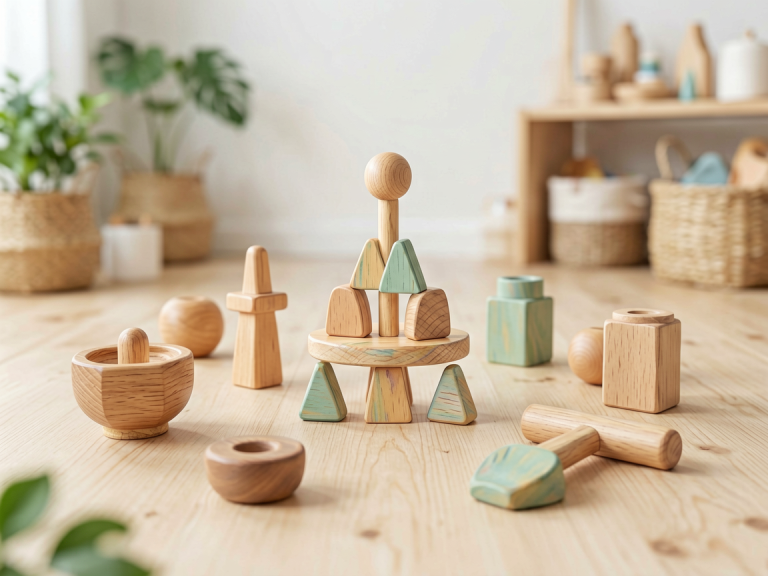
When parents first handle a wooden toy, they often notice its weight, smooth finish, and solid feel. High-quality wooden toys, such as those made from beech, maple, or rubberwood, are typically free from sharp edges and toxic chemicals. Unlike many plastic toys that may contain phthalates, BPA, or lead (especially in cheaper imports), wooden toys are naturally non-toxic if finished with water-based paints or natural oils. They are also less likely to break into small, hazardous pieces that could cause choking. A well-made wooden block can survive generations of play, passing from sibling to sibling, or even from parent to child.
Plastic toys, on the other hand, offer a different kind of safety. They are often lighter, which reduces the risk of injury if thrown or dropped. Many modern plastic toys are made from food-grade or medical-grade polymers, meeting stringent global safety standards. However, plastic’s durability is a double-edged sword. While it can withstand drops and rough play, it is susceptible to cracking, fading, and becoming brittle over time, especially when exposed to sunlight. Moreover, plastic toys that break often produce sharp shards. In terms of longevity, wooden toys generally win, but plastic toys excel in versatility—they can be molded into almost any shape, including intricate, interactive designs that wood cannot achieve.
—
2. Environmental Impact: The Carbon Footprint of Play
The environmental debate between wood and plastic is nuanced. Wood, as a renewable resource, has a smaller carbon footprint if sourced sustainably. Forests managed by certified organizations (e.g., FSC-certified) ensure that trees are replanted, and the manufacturing process consumes less energy compared to plastic production. Wooden toys are also biodegradable; at the end of their life, they can be composted or repurposed. However, the environmental cost of wood includes deforestation, transportation from distant forests, and the energy used in sanding, cutting, and painting.
Plastic toys are derived from fossil fuels—non-renewable resources. Their production releases greenhouse gases, and most plastic toys end up in landfills or oceans, where they can persist for hundreds of years. Even recycling is challenging because many plastic toys are made from mixed materials or have metallic components (batteries, screws) that complicate recycling streams. On the bright side, plastic toys are often cheaper and lighter, which reduces transportation emissions per toy. Some companies now produce toys from recycled plastics or bioplastics (PLA), but these are still a small fraction of the market. Ultimately, if environmental impact is your primary concern, wooden toys—especially those made locally from sustainable sources—are the greener choice, provided they are not over-packaged.
—
3. Developmental Benefits: How Material Affects Learning and Imagination
Child development experts have long debated how toy material influences a child’s cognitive, motor, and social skills. Wooden toys are renowned for encouraging open-ended play. A simple set of wooden blocks, for instance, can become a castle, a car, or a spaceship. Without predefined functions, children must use their imagination. The weight and texture of wood also provide sensory feedback that helps fine motor development. Wooden puzzles, shape sorters, and stacking toys are classic Montessori materials because they promote concentration, problem-solving, and the concept of cause and effect.
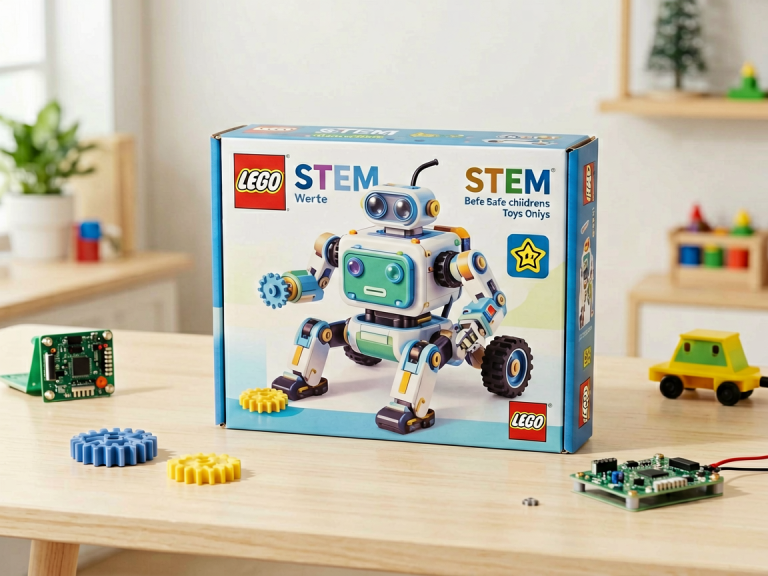
Plastic toys, by contrast, often come with batteries, lights, sounds, and pre-programmed instructions. While these features can be engaging and educational (e.g., a talking alphabet toy), they may also limit creativity. The child becomes a passive participant rather than an active creator. However, not all plastic toys are passive. Building sets like LEGO, made from ABS plastic, are arguably the most creative and educational toys ever invented. They combine the open-ended construction of wooden blocks with the precision and diversity of plastic. Plastic also allows for realistic replicas—dinosaurs, vehicles, animals—that can spark interest in science and storytelling. The key is not the material itself but how the toy is designed. A plastic doll that encourages role-play can be as beneficial as a wooden dollhouse.
—
4. Economic and Social Considerations: Cost, Access, and Cultural Significance
Price is a decisive factor for many families. Plastic toys are generally much cheaper than their wooden counterparts. A set of plastic building blocks may cost $10, while a comparable wooden set may cost $40 or more. This economic reality means that plastic toys make play accessible to children across different income levels. In developing countries, plastic toys are often the only option due to lower manufacturing costs and wider distribution. However, the low price of plastic masks a hidden cost—poorer durability, which leads to frequent replacements, and potential health risks from low-quality plastics.
Wooden toys, especially those crafted by artisans, carry cultural and aesthetic value. They are often heirloom-quality, marketed as “slow toys” that foster mindfulness. In many European and Asian cultures, wooden toys are associated with traditional craftsmanship and simplicity. For parents who prioritize minimalism or a screen-free childhood, wooden toys align with a philosophy of less is more. Yet, the higher price also creates inequality; not every family can afford a Montessori-inspired wooden kitchen set. This raises an ethical question: should the “best” toys be reserved only for those with means?
—
5. The Decline of Plastic? Trends in the Toy Industry
The toy industry is undergoing a subtle but meaningful shift. Eco-conscious consumers are driving demand for sustainable toys. Major retailers like IKEA, Melissa & Doug, and Hape have expanded their wooden toy lines, emphasizing non-toxic finishes and FSC-certified wood. Startups now offer subscription boxes of wooden toys, and many parents are actively avoiding plastic due to concerns about microplastics and environmental pollution. However, plastic toys are not disappearing. The global toy market remains dominated by plastic, especially in electronic and licensed categories (e.g., toy cars, action figures, video game peripherals).
Interestingly, some companies are blending the two materials. For example, a wooden train set may have plastic connectors, or a plastic dollhouse may have wooden furniture. These hybrids attempt to capture the best of both worlds. But they also complicate recycling and durability. Another trend is the rise of “plastic-free” toy movements, where parents pledge to buy only toys made from natural materials. This niche is growing, but it remains a minority choice.
—
6. Practical Guide: How to Choose the Right Toy for Your Child
Given the complexity, how should a parent or educator decide? Here is a simple framework:
- Age of the child: For infants and toddlers who mouth toys, wooden toys (with non-toxic finishes) are safer because they are less likely to contain chemical leachates. For preschoolers who love interactive features, a hybrid approach works—one or two electronic plastic toys, but a core collection of wooden blocks, puzzles, and vehicles.
- Purpose of play: If the goal is open-ended, imaginative play, choose wooden. If the goal is learning a specific skill (e.g., counting with a digital sound toy) or building complex structures (e.g., LEGO Technic), plastic can be superior.
- Sustainability commitment: Check for certifications (FSC, non-toxic labels, recycled content). Buy second-hand wooden toys to reduce waste. Avoid cheap plastic toys that will break quickly.
- Personal values: Some families prefer the aesthetic of wood, while others value the convenience and affordability of plastic. There is no right or wrong—only conscious choice.
—
Conclusion: Harmony, Not War
The wooden-versus-plastic debate is not a battle to be won, but a dialogue to be embraced. Wooden toys offer timeless beauty, durability, and environmental advantages, while plastic toys provide affordability, versatility, and innovations impossible with wood alone. The ideal toy box is likely a thoughtful mix—a few cherished wooden heirlooms that anchor imaginative play, and a few plastic companions that add light, sound, or intricate mechanics. Ultimately, what matters more than the material is the love and attention adults give during play. A cardboard box can become a pirate ship if a parent sits down and engages. The best toy is the one that sparks joy, curiosity, and connection—whether it is carved from a tree or molded from a polymer. Let us celebrate both.