Wooden Toys vs. Plastic Toys for 7-Year-Olds: Which Choice Truly Nurtures Growth?
When you step into a toy store today, the sheer volume of plastic packaging, flashing lights, and electronic sounds can be overwhelming. Amid this sensory overload, a quieter, more natural alternative often sits on a separate shelf: wooden toys. For parents of 7-year-olds, the choice between wooden and plastic toys is not merely a matter of aesthetics or budget—it is a decision that can influence a child’s cognitive development, environmental awareness, and even emotional well-being. At age seven, children are at a pivotal stage: they are no longer toddlers who need simple sensory stimulation, nor are they teenagers lost in virtual worlds. They are curious, imaginative, social, and beginning to understand cause and effect, rules, and consequences. This article explores the nuanced differences between wooden and plastic toys for this specific age group, examining their respective impacts on creativity, safety, durability, environmental footprint, and social interaction. By the end, you will have a clearer framework for making an informed choice that aligns with your child’s developmental needs and your family’s values.
Cognitive and Creative Development: Open-Ended Play vs. Prescribed Functions
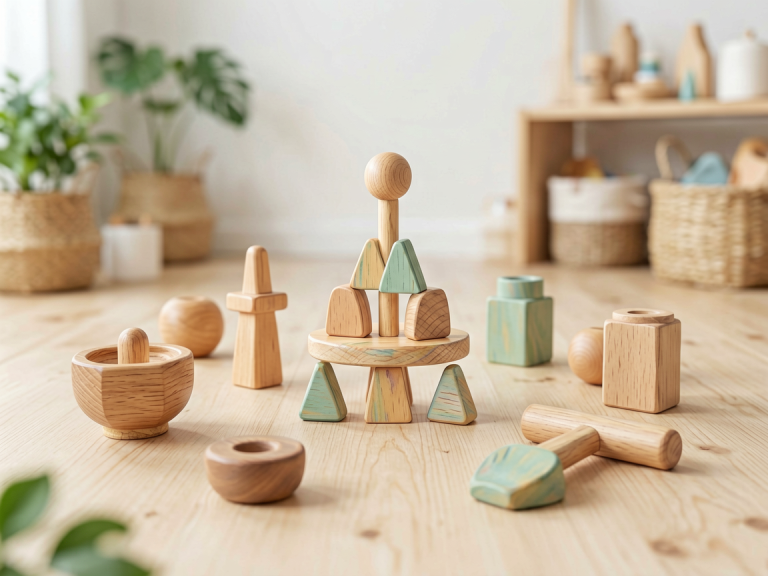
One of the most profound differences between wooden and plastic toys lies in how they engage a child’s imagination. Wooden toys, by their very nature, tend to be less prescriptive. A set of simple wooden blocks, for example, can be a castle, a spaceship, a bridge, or a math lesson depending on the child’s mood. For a 7-year-old, this open-endedness is invaluable. At this age, children are refining their ability to plan, problem-solve, and think abstractly. A wooden train set requires them to design tracks, balance weights, and understand basic physics—all without the distraction of pre-recorded sounds or blinking lights. Research in developmental psychology suggests that toys with fewer built-in features encourage deeper cognitive engagement. The child becomes the director of the play, not just a passive observer.
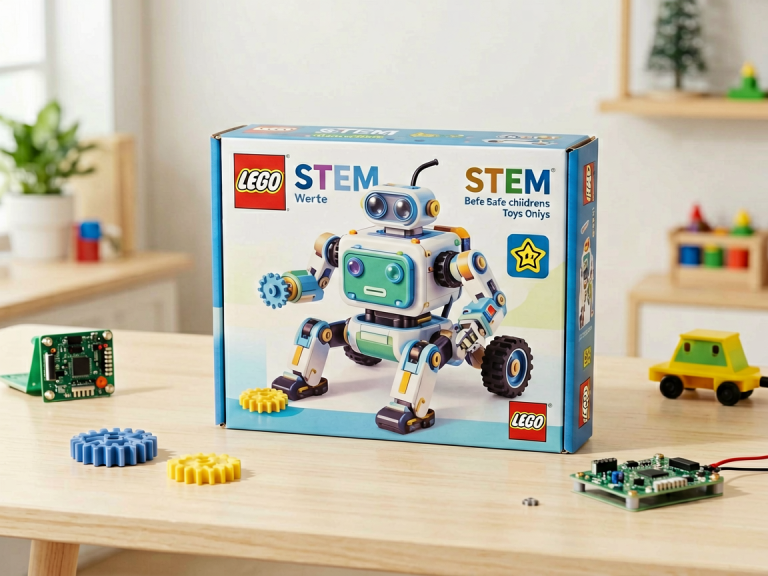
Plastic toys, on the other hand, often come with predetermined functions. A plastic action figure might have a specific pose, a hidden weapon, or a voice chip that repeats the same catchphrase. While such toys can provide immediate gratification and structured storytelling (e.g., recreating scenes from a favorite movie), they can also limit imaginative flexibility. A 7-year-old playing with a plastic superhero might be more inclined to mimic the character’s predefined actions rather than invent an entirely new narrative. Furthermore, many plastic toys, especially battery-operated ones, offer “passive entertainment”—the toy does the work, and the child merely watches. For cognitive development, active participation is far more beneficial. That said, plastic construction sets like LEGO or magnetic tiles do offer a high degree of creativity, but they often come with instruction booklets that subtly steer the child toward a finished product, whereas a set of wooden planks or differently shaped wooden pieces invites pure experimentation.
It is important to note that not all plastic toys are created equal. High-quality plastic building systems can foster spatial reasoning and engineering skills. However, for a 7-year-old who is already capable of complex pretend play, the tactile warmth and grain of wood can be more grounding. Wooden toys also tend to be quieter and less visually jarring, which may help maintain focus—especially for children who are easily overstimulated. In a world saturated with screens and noise, the simplicity of a wooden dollhouse or a marble run offers a serene space for deep concentration.
Safety, Durability, and Practicality for Active Seven-Year-Olds
Parents of 7-year-olds know that this age is marked by boundless energy, rough handling, and occasional moments of carelessness. Toys are dropped, thrown, chewed on (though less frequently than at younger ages), and subjected to vigorous play. Here, durability becomes a major factor. Well-made wooden toys, especially those crafted from hardwoods like maple or beech, are remarkably resilient. They can withstand years of abuse without breaking, splintering, or losing their shape. A wooden yo-yo or a set of wooden building logs can be passed down to siblings or even to the next generation. In contrast, many plastic toys—especially cheaper ones—are prone to cracking, snapping, or having small parts break off. A broken plastic wheel on a toy car may become a choking hazard or simply render the toy useless, adding to waste.
Safety is another crucial consideration. Modern wooden toys that comply with safety standards are typically finished with non-toxic paints or beeswax, making them free of harmful chemicals like phthalates and BPA often found in some plastics. For a 7-year-old who still puts toys in their mouth occasionally, or who has younger siblings around, this is reassuring. Plastic toys, especially those from unknown manufacturers, can contain lead or other toxins. Even legitimate brands sometimes recall products due to high levels of certain chemicals. Additionally, the sharp edges that sometimes result from broken plastic can cause cuts. Wood, by contrast, usually splinters only if it is very poorly made; high-quality wooden toys are sanded smooth and rounded.
However, plastic does have practical advantages. Plastic toys are often lighter, making them easier for a child to carry around. They are also generally waterproof and can be cleaned with a wipe or even tossed in the dishwasher. Wooden toys require more care: they should not be soaked in water, and they can be damaged by humidity or extreme dryness. For outdoor play in the garden or at the beach, plastic toys are often the more practical choice. A 7-year-old might want to bring toys to a park or pool; a plastic water pistol or a plastic shovel will survive better than a wooden one. So, the environment of play matters. If your child spends a lot of time outdoors in messy conditions, plastic may be more convenient. If most play occurs indoors in a controlled environment, wooden toys can be a long-lasting investment.
Environmental and Ethical Considerations: A Lesson in Sustainability
At age seven, children are beginning to understand concepts of responsibility and stewardship. Conversations about recycling, waste, and the planet can resonate deeply. This makes the raw materials of toys an important topic. Wooden toys, when sourced from sustainably managed forests, represent a renewable resource. They are biodegradable at the end of their life, and they do not contribute to the microplastic pollution that increasingly threatens oceans and wildlife. Many wooden toy manufacturers also prioritize fair labor practices and local craftsmanship, adding an ethical dimension that parents may value.
Plastic toys, conversely, are almost entirely derived from petroleum, a non-renewable resource. Their production is energy-intensive and releases greenhouse gases. Worse, the vast majority of plastic toys are not recyclable due to mixed materials, small size, or contamination. They end up in landfills or incinerators, where they can persist for hundreds of years. For a 7-year-old who is learning about climate change and environmental protection, the message sent by choosing a plastic toy can be contradictory. That said, there are emerging companies that produce plastic toys from recycled ocean waste or plant-based bioplastics. These options are still niche and often more expensive, but they represent a step in the right direction.
It is also worth considering the lifespan of the toy. Many plastic toys are designed for short-term trends—a character from a current movie or TV show—and may be discarded once the hype fades. Wooden toys, especially those with timeless designs like a wooden abacus, a set of dominoes, or a balancing game, retain appeal across generations. A 7-year-old may outgrow a plastic toy that is tied to a specific character, but a wooden game can be revisited with different rules as the child matures. This longevity reduces overall consumption.
Social and Emotional Growth: The Role of Toy Design in Interaction
Play is rarely a solitary activity for a 7-year-old. By this age, children are forming friendships, learning to negotiate, and practicing cooperation. The design of a toy can significantly influence these social dynamics. Wooden toys often encourage collaborative, unstructured play. A large set of wooden building blocks allows multiple children to build a structure together, requiring communication and compromise. A wooden board game (like a marble maze or a balancing tower) naturally creates turn-taking and shared excitement. The lack of electronic components means that children must rely on their own voices and gestures to communicate, fostering verbal skills and emotional attunement.
Plastic toys, especially those with screens or sound effects, can sometimes isolate a child. A handheld electronic game might be played alone, with the child staring at a screen rather than interacting with peers. Even multi-player plastic toys, like some battery-operated racing sets, can be more about competition than cooperation. However, there are notable exceptions. Plastic board games (like Monopoly Junior or Scrabble Junior) are excellent for social interaction, and plastic building kits (like LEGO Friends sets) encourage shared storytelling. The key difference is that plastic toys are more likely to be tied to a specific brand or franchise, which can lead to arguments over whose character is “better” or who gets the rare piece. Wooden toys, being generic and non-commercial, often level the playing field and reduce such conflicts.
Emotionally, the tactile experience of wood is often described as warm and calming. Many children find comfort in the natural texture. A 7-year-old who is feeling anxious or overwhelmed might gravitate toward a smooth wooden shape-sorter or a set of wooden nesting dolls, not because they are “babyish,” but because the sensory input is soothing. Plastic, with its uniform texture and sometimes sharp edges, does not offer the same grounding effect. Furthermore, the durability of wood means that a favorite wooden toy can become a transitional object—a source of comfort that lasts through the ups and downs of early elementary school.
Practical Advice for Parents: Striking a Balance
Given all these factors, the ideal approach for a 7-year-old is rarely an all-or-nothing choice. Both wooden and plastic toys have their places, depending on the child’s personality, the type of play, and the family’s priorities. For example, you might invest in a high-quality wooden train set or building block system for open-ended, creative, and long-term use. At the same time, you might allow a few plastic toys that align with the child’s current passion—a plastic superhero figure if it inspires storytelling, a plastic science kit for hands-on experiments, or a plastic musical instrument that is lightweight and durable.
The golden rule is to favor toys that are simple, versatile, and durable, regardless of material. For a 7-year-old, avoid overcomplicated gadgets that do the thinking for the child. And whenever possible, choose wooden toys from reputable brands that use non-toxic finishes and sustainable wood. For plastic toys, look for those made from recycled materials or those that are compatible with other building systems to extend their usefulness. Also, consider second-hand options: wooden toys often hold up beautifully in thrift stores, and buying used is even more eco-friendly.
In the end, the best toy for a 7-year-old is one that sparks curiosity, invites collaboration, and respects the child’s ability to create their own world. Whether that toy is made of wood or plastic, the magic lies not in the material but in the relationship between the child’s mind and the object in their hands. Yet, if we tilt the scale toward natural, durable, and open-ended materials, we give children a better chance to grow into creative, thoughtful, and environmentally conscious individuals. So, next time you are faced with that shelf of plastic frustration and wooden simplicity, remember: you are not just buying a toy. You are choosing a philosophy of childhood.