Wooden Toys vs. Plastic Toys: Which Cultivates Greater Creativity in Children?
Introduction
In the modern nursery, the clash between tradition and innovation is often played out in the toy box. On one side sit the warm, tactile wooden blocks, trains, and puzzles that have entertained children for centuries. On the other lie the bright, molded, and often battery-powered plastic toys that dominate today’s store shelves. Parents, educators, and child development experts frequently debate which type of toy better nurtures a child’s creativity. Creativity is not merely about artistic expression; it encompasses divergent thinking, problem-solving, imagination, and the ability to see multiple uses for a single object. This article delves into the distinct characteristics of wooden and plastic toys, examining how each material influences a child’s creative development. While both have their merits, a closer look reveals that wooden toys often provide a richer, more open-ended foundation for creativity, whereas plastic toys, despite their technological allure, can sometimes constrain imaginative play. Understanding these differences empowers caregivers to make informed choices that best support a child’s growing mind.
The Sensory Experience: Natural Warmth vs. Artificial Uniformity
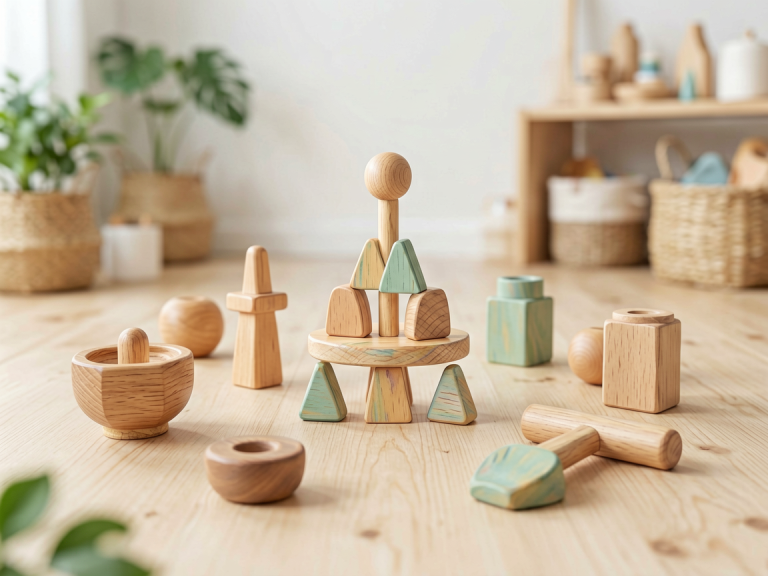
One of the most immediate differences between wooden and plastic toys lies in their sensory qualities. Wood is a living material—each grain, texture, and slight variation in color tells a story of its natural origin. When a child picks up a wooden block, they feel warmth, weight, and subtle irregularities that invite exploration. This tactile variation engages multiple senses simultaneously, encouraging children to notice details and develop an appreciation for natural textures. Such sensory richness is the bedrock of creative thinking because it prompts the brain to draw connections between physical experiences and abstract ideas. For example, a child might imagine the grain on a wooden block as a river, a road, or a forest path—a leap of imagination fueled by the material’s inherent character.
In contrast, plastic toys are typically smooth, uniform, and often brightly colored with synthetic dyes. They are consistent in shape, weight, and texture, offering little sensory surprise. While this uniformity can be comforting, it also reduces the need for the child to actively interpret or adapt the material. A plastic block is just a block; it lacks the organic imperfections that spark creative reinterpretation. Moreover, many plastic toys are designed to be hyper-realistic—action figures with fixed poses, cars with molded details, or dolls with pre-scripted expressions. This realism can actually stifle creativity because the toy already dictates its purpose. A child does not need to imagine that a plastic fire truck is a fire truck; it already looks exactly like one. The creative leap from “what is” to “what could be” is shorter and less demanding. Wooden toys, by contrast, require the child to invest more imagination to transform a simple shape into a character, a vehicle, or a building. This active mental engagement is the very essence of creative play.
Open-Ended Play and the Power of Ambiguity
Creativity flourishes in environments that allow for open-ended exploration—play where there is no single right answer, no predetermined outcome, and no imposed narrative. Wooden toys excel in this arena. A set of simple wooden blocks can become a castle one day, a spaceship the next, and a farm the day after. The lack of specific detailing invites the child to project their own stories onto the objects. A single wooden peg doll can be a mother, a teacher, a superhero, or a wizard, depending on the child’s whim. This ambiguity is a powerful catalyst for creativity because it requires the child to generate novel uses and meanings. Research in developmental psychology has consistently shown that children who engage with open-ended toys demonstrate higher levels of divergent thinking—the ability to generate multiple solutions to a problem.
Plastic toys, on the other hand, are often designed to fulfill a single, clear function. A plastic toy ambulance comes with flashing lights, siren sounds, and molded medical equipment. While these features can be engaging, they also limit the play scenario. The toy nearly “plays itself,” reducing the child’s role to that of a button-pusher or a passive observer. Many plastic toys are tied to specific media franchises—characters from movies, TV shows, or video games. Such toys come with a ready-made story universe, which can be comforting but also restrictive. Instead of inventing their own narrative, children often reenact what they have seen on screen. This repetition can be enjoyable, but it exercises memory rather than imagination. Over time, an overabundance of pre-scripted plastic toys may weaken a child’s ability to create original ideas. The ideal plaything is a blank canvas, and wood—simple, unfinished, and natural—provides exactly that.
The Role of Technology and Light: Plastic’s Distraction vs. Wood’s Stillness
Another critical factor in the creativity debate is the presence or absence of electronic features. Many modern plastic toys incorporate lights, sounds, moving parts, and even artificial intelligence. These features are designed to capture a child’s attention, but they often do so at the expense of deep, sustained creative play. A toy that beeps, flashes, and talks demands the child’s focus on the toy itself rather than on the imaginative world the child might otherwise build. Psychologists refer to this as “extrinsic stimulation”—the excitement comes from the toy, not from the child’s own ideas. In contrast, wooden toys are quiet and still. They do not entertain the child; instead, they invite the child to entertain themselves. This stillness demands patience, focus, and internal motivation—all prerequisites for creative thinking.
Consider a plastic toy robot with dozens of pre-programmed phrases. The child may push buttons and hear the robot speak, but the child’s role is largely reactive. Compare that to a wooden train set: the child must decide where the tracks go, what cargo the train carries, and what destination it will reach. The creative effort is entirely the child’s. The plastic robot may teach cause and effect, but the wooden train set teaches original storytelling and spatial reasoning. Moreover, constant electronic stimulation can lead to shorter attention spans and a reduced tolerance for quiet, contemplative play. While not all plastic toys are electronic, the vast majority in the mass market incorporate some form of technological gimmickry. Wooden toys, by their very nature, avoid this pitfall, making them a superior tool for fostering the deep, focused imagination that lies at the heart of creativity.
Environmental and Psychological Benefits: The Unseen Creative Boosts
The choice between wooden and plastic toys also has subtle but important implications for a child’s overall creative mindset. Wood is a sustainable, biodegradable material that carries a sense of permanence and care. When children play with well-crafted wooden toys, they often develop a respect for materials and an understanding of natural rhythms. This connection to the natural world can inspire creative thinking about environmental stewardship, design, and craftsmanship. Furthermore, wooden toys are durable and can be passed down through generations, creating a sense of history and continuity that stimulates narrative thinking. A child playing with a toy that once belonged to a parent or grandparent may feel a deeper connection to stories, memories, and the passage of time—a rich source of creative inspiration.
Plastic toys, on the other hand, are often ephemeral. They break easily, their batteries die, and they eventually end up in landfills. This disposability can unconsciously condition children to view objects as temporary and replaceable, which may discourage the deep, patient investment of imagination that wooden toys inspire. Additionally, the chemical off-gassing from some plastics and the sharp edges of broken pieces can introduce stress rather than calm. A calm, safe environment is more conducive to creative flow. Wooden toys also tend to be heavier and more solid, which provides proprioceptive feedback—the sense of weight and balance—helping children develop motor skills and body awareness. This sensory-motor integration is closely linked to cognitive development and creative problem-solving. In sum, the physical properties of wood encourage a slower, more thoughtful, and more sustainable form of play that naturally nurtures creative thinking.
A Balanced Perspective: When Plastic Toys Can Support Creativity
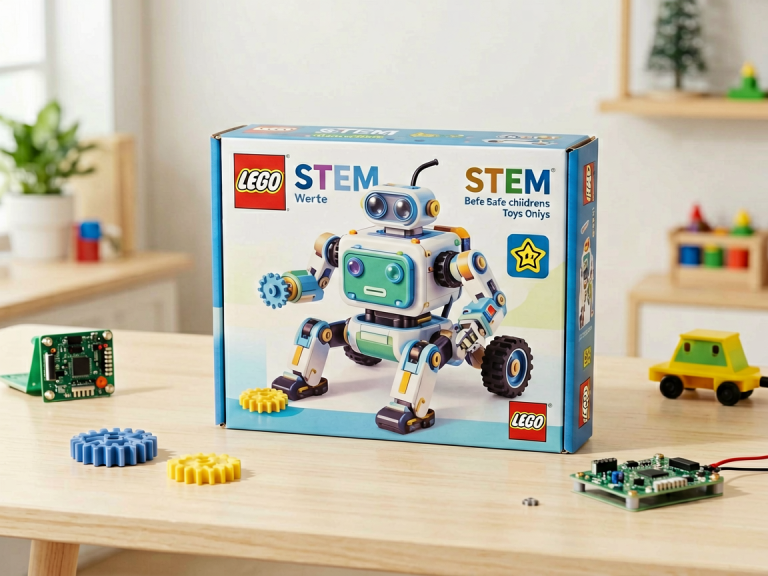
It would be unfair to dismiss all plastic toys as creativity-killers. Some plastic toys, especially those that are modular and open-ended, can indeed foster imagination. For instance, plastic building bricks (like LEGO) are a classic example of a structured play system that allows for immense creative variation. However, even LEGOs are increasingly tied to licensed sets that prescribe specific models, which can limit free creation. The most creative plastic toys are those that mimic the simplicity of wood—basic geometric shapes, color transparencies, or interlocking parts without pre-printed decorations or electronic features. Moreover, plastic can be molded into complex shapes that are difficult to achieve with wood, such as gears, springs, and intricate connectors, which can introduce principles of engineering and cause-and-effect reasoning. These experiences can complement creative thinking by providing new tools for building and problem-solving.
Nevertheless, the overwhelming trend in the plastic toy industry is toward hyper-stimulation and narrow functionality. Parents who wish to prioritize creativity would do well to select plastic toys that are simple, non-electronic, and open-ended, while leaning more heavily on wooden toys as the backbone of a creative play environment. The key is not to demonize one material but to recognize the unique creative affordances of each. Wood offers a depth of sensory and imaginative freedom that plastic rarely matches. Plastic, when used wisely, can offer structural variety and mechanical novelty. But for the pure, unguided, and endlessly renewable wellspring of creative play, wooden toys remain the gold standard.
Conclusion: Choosing the Right Tools for the Creative Mind
In the wooden-versus-plastic debate, the evidence points strongly toward wood as the superior medium for nurturing creativity in early childhood. Wooden toys provide a richer sensory experience, invite open-ended interpretation, avoid electronic distractions, and foster a deeper connection to the natural world. They require the child to be an active creator rather than a passive consumer of entertainment. Plastic toys, while convenient and often appealing with their bright colors and lights, tend to narrow imaginative possibilities through over-specification and technological gimmicks. However, not all plastic toys are equal; carefully chosen, simple plastic building sets can also support creative development. The ultimate lesson for parents and educators is to prioritize quality, simplicity, and openness over flashiness and novelty. By curating a play environment rich in wooden essentials, supplemented with a handful of thoughtful plastic tools, we can give children the best possible foundation for a lifetime of creative thinking. After all, creativity is not about what the toy does for the child, but about what the child can do with the toy. And in that sense, the humble wooden block—unadorned, warm, and full of possibility—remains an unparalleled masterpiece of design for the imagination.