Wooden Toys vs Plastic Toys for Kids: A Timeless Debate on Safety, Sustainability, and Development
Introduction: The Playground of Choices
In the world of early childhood development, few decisions provoke as much thought among parents and educators as the choice between wooden and plastic toys. Both materials have their devoted advocates, and both have shaped the playrooms of generations. Wooden toys often evoke nostalgia—a carved train set, a set of alphabet blocks, or a simple wooden puzzle passed down through the family. Plastic toys, on the other hand, represent modernity, bright colors, and intricate engineering—think interlocking bricks, battery-operated robots, and squeaky animals. But which is truly better for a child’s growth, safety, and the health of our planet? This article delves into a comprehensive comparison of wooden and plastic toys, examining their impact on cognitive development, physical safety, environmental sustainability, and long-term value. By the end, you will have a clearer understanding of how to balance these two categories when curating a child’s toy collection.
1. Safety and Material Composition
1.1 Chemical Safety and Toxicity
The safety of toys is paramount, and here wooden toys often have an edge—provided they are made responsibly. High-quality wooden toys are typically crafted from natural materials like beech, maple, or pine, and finished with non-toxic, water-based paints or oils. In contrast, many plastic toys, especially those produced at low cost, may contain phthalates, BPA, lead, or other harmful chemicals used to soften or color the plastic. While regulations in many countries have tightened, the risk persists with cheaper imports. A child mouthing or chewing on a plastic toy could ingest these toxins over time. Wooden toys, being generally solid and unpainted or finished with safe coatings, pose a lower chemical risk.
1.2 Physical Hazards: Splinters, Sharp Edges, and Breakage
Critics of wooden toys point to the possibility of splinters, especially with lower-quality or aged pieces. However, well-made wooden toys are sanded smooth and sealed. Plastic toys pose different risks: they can crack or shatter into sharp shards, and small parts can break off, creating choking hazards. Battery compartments in electronic plastic toys may also leak corrosive substances. On balance, both materials require vigilance, but wooden toys without moving parts or batteries tend to have a simpler safety profile—provided they are age-appropriate and intact.
2. Developmental Benefits and Play Value
2.1 Cognitive Development and Open-Ended Play
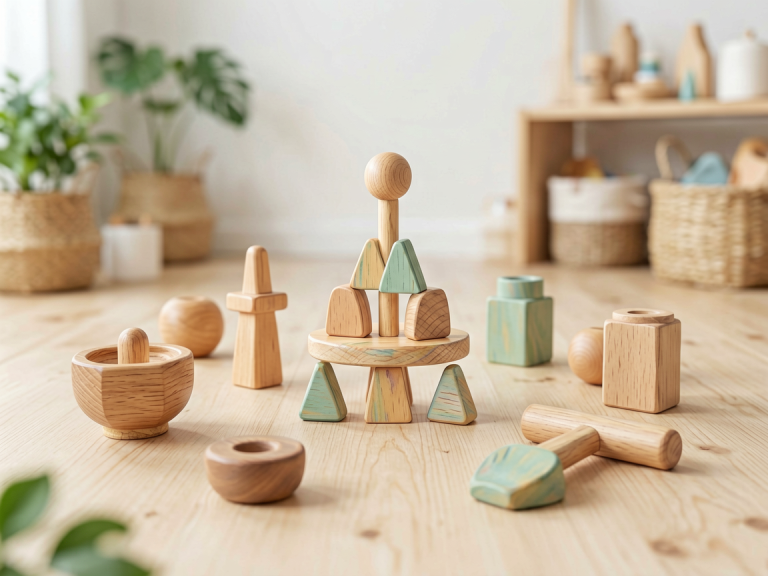
One of the strongest arguments for wooden toys is their support for open-ended play. A set of simple wooden blocks can become a castle, a spaceship, or a counting game—limited only by a child’s imagination. Plastic toys, by contrast, often come with predefined functions: a plastic fire truck may have flashing lights and sirens that dictate a specific way of playing. This can be engaging, but it may also restrict creativity. Research in child development suggests that open-ended toys foster problem-solving skills, divergent thinking, and longer attention spans. Wooden puzzles, stacking rings, and shape sorters are classic examples that require manual dexterity and cognitive effort without overwhelming sensory input.
2.2 Sensory Stimulation and Motor Skills
Plastic toys, especially those with bright colors, sounds, and textures, can offer rich sensory stimulation that appeals to infants and toddlers. The variety of shapes, the click of a button, or the vibration of a toy phone can captivate a child’s attention. However, some experts warn that overstimulation may lead to shorter focus and less deep engagement. Wooden toys provide a more subdued sensory experience—the natural grain, the weight, the warm feel, and the subtle sound of wood clicking together. This can be calming and help children concentrate. Moreover, the weight and texture of wooden toys often require more effort to grasp, lift, and manipulate, which can strengthen fine motor skills and hand-eye coordination.
2.3 Durability and Longevity in Play
Wooden toys are notoriously durable. A well-crafted wooden train can survive decades of play and even be passed down to siblings or the next generation. Plastic toys, while often lighter and more resistant to moisture, are prone to cracking, fading, or breaking, especially if they contain thin parts or batteries. A child who throws a plastic toy against a wall may watch it shatter, while a wooden block may simply bounce. The longevity of wooden toys means they can remain in a child’s play rotation for years, offering consistent familiarity and reducing the need for constant replacements.
3. Environmental Impact and Sustainability
3.1 Raw Materials and Carbon Footprint
From an environmental perspective, wooden toys have a clear advantage when sourced from sustainably managed forests. Wood is a renewable resource, and the manufacturing process generally consumes less energy than the production of plastic, which is derived from petroleum or natural gas. Plastic toy production releases greenhouse gases and consumes fossil fuels. Additionally, wooden toys are biodegradable—if disposed of in a landfill, they will decompose naturally, whereas plastic toys persist for hundreds of years.
3.2 Waste and Recycling Challenges
However, not all plastic is evil. High-quality plastic toys made from recycled materials or designed for easy recyclability exist, but they are the minority. Most plastic toys are made from mixed plastics (e.g., polypropylene, ABS, PVC) that are difficult to separate and recycle. Many end up in oceans or incinerators. Wooden toys, if painted with non-toxic finishes, can also pose recycling challenges if the paint contains metals. That said, a broken wooden toy can often be repaired with glue, sanded, or repurposed as craft material, whereas a broken plastic toy is typically trash. The overall environmental superiority of wooden toys is substantial, especially when considering the entire lifecycle.
3.3 Choosing Sustainable Options
Parents who prefer plastic toys can minimize harm by opting for brands that use recycled content, avoid single-use plastics, and offer take-back programs. For wooden toys, look for certifications such as FSC (Forest Stewardship Council) to ensure responsible forestry. Also consider buying second-hand wooden toys; their durability makes them excellent candidates for thrift stores and garage sales, extending their useful life even further.
4. Practical Considerations: Cost, Cleaning, and Storage
4.1 Initial Cost vs. Long-Term Value
Wooden toys are often more expensive upfront. A high-quality wooden dollhouse or train set can cost several times more than a plastic equivalent. However, their durability means they may outlast multiple plastic toys. A plastic toy that breaks after a year needs to be replaced, while a wooden toy may last through all your children and beyond. From a cost-per-play perspective, wooden toys often prove more economical in the long run. For families on a tight budget, mixing affordable plastic toys (e.g., building bricks) with a few strategic wooden investments can be a wise compromise.
4.2 Hygiene and Cleaning
Plastic toys have an advantage in hygiene: they are non-porous and can be easily wiped down or washed with soap and water, making them ideal for teething infants who drool or put everything in their mouths. Wooden toys, being porous, can absorb moisture and harbor bacteria if not cleaned properly. However, they can be gently wiped with a damp cloth and mild soap, then dried immediately. Many wooden toy manufacturers also use sealed surfaces to reduce moisture absorption. Ultimately, for oral-stage babies, plastic toys may be more practical, while for older children, wooden toys are perfectly manageable.
4.3 Storage and Space Efficiency
Plastic toys tend to be lighter and can be stacked or nested, making storage easier in small spaces. Wooden toys are heavier and bulkier; a large wooden castle or play kitchen requires dedicated floor space. However, the simplicity of many wooden toys—blocks, stacking rings, puzzles—means they can be stored in small bins or shelves. Plastic toys with many small pieces (like interlocking bricks) can also create clutter. The choice here depends more on the specific toy than the material itself.
5. Age Considerations and Recommendations
5.1 Infants and Toddlers (0–3 Years)
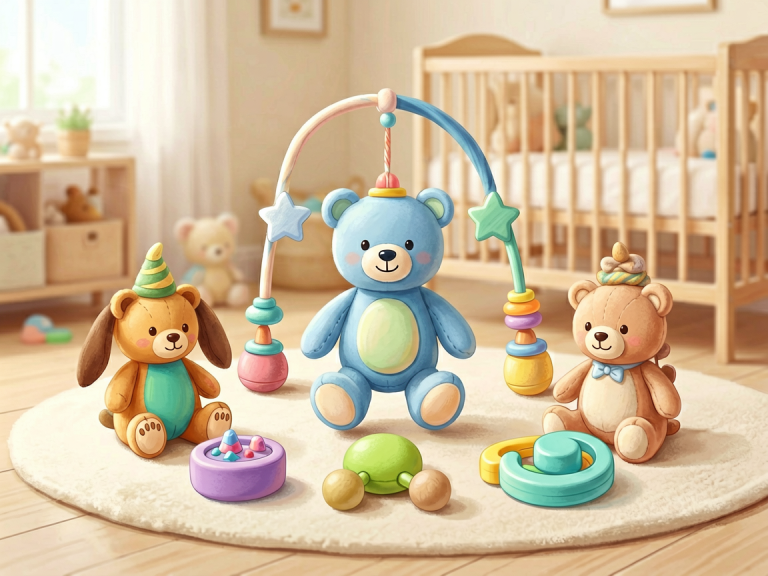
For the youngest children, safety and sensory exploration are critical. Soft plastic toys without small parts can be safe and easy to clean. Silicone teethers and rattles are excellent. Wooden toys must be smooth, splinter-free, and free of small detachable pieces. Simple wooden blocks and shape sorters are highly recommended for this age group. Avoid plastic toys with loud, jarring sounds that may overstimulate. A mix of both materials, with a preference for high-quality wooden options for stationary play and plastic for on-the-go or bath time, works well.
5.2 Preschoolers (3–5 Years)
This is the golden age of imaginative play. Wooden train sets, dollhouses, and building blocks shine here. They encourage storytelling, cooperation, and fine motor skills. Plastic construction toys (like LEGO Duplo) also have great value, offering color-coding and modularity. At this stage, the key is to limit electronic toys that do the thinking for the child. Opt for simple plastic toys that require manual action rather than batteries.
5.3 School-Age Children (6+ Years)
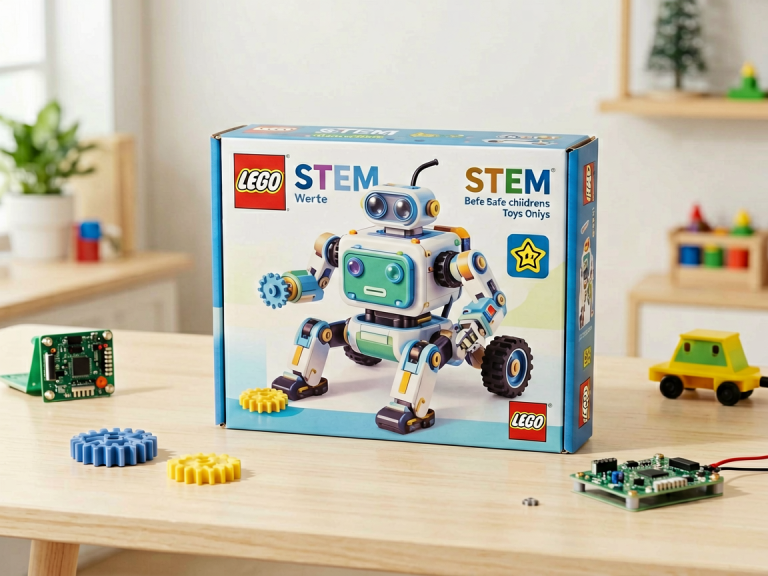
Older children can handle more complex plastic toys—LEGO sets with detailed instructions, science kits, and board games with plastic components. Wooden toys can still be valuable for crafting, model building, or strategy games (chess, checkers). The debate becomes less about material and more about the toy’s purpose. A plastic model rocket kit may be educational, while a wooden marble run may teach physics. The key is to choose toys that stimulate creativity and learning, regardless of material.
Conclusion: Striking a Balance, Not Picking a Winner
The debate between wooden and plastic toys is not about declaring one absolute winner. Both have their rightful place in a child’s world. Wooden toys offer sustainability, durability, open-ended play, and a timeless aesthetic that fosters calm focus. Plastic toys offer variety, bright colors, ease of cleaning, and often lower upfront cost, as well as the potential for complex mechanical and electronic learning. The wisest approach is to curate a diverse toy box: invest in a core collection of high-quality wooden toys for imaginative and cognitive growth, supplement with select plastic toys that offer unique benefits (such as interlocking bricks or water-safe bath toys), and always prioritize safety, non-toxic materials, and age-appropriateness. By doing so, you provide your child with the best of both worlds—a foundation of natural, enduring play, complemented by the exciting possibilities of modern invention. After all, the most important factor in any toy is not what it is made of, but how it inspires a child to learn, explore, and create.