The Great Toy Divide: Cheap vs. Expensive – What’s Best for a Child’s Development?
Introduction
Walk into any toy store today, and you are immediately confronted with a dizzying array of choices. On one end of the spectrum lie the cheap, mass‑produced plastic trinkets that fill dollar‑store bins and fast‑food meal bags. On the other end sit the expensive, often meticulously crafted wooden playthings, high‑tech electronic gadgets, or branded collectibles that can cost as much as a family’s weekly grocery bill. Parents, caregivers, and even educators frequently ponder a fundamental question: Are expensive toys truly better for a child’s growth, or do cheap toys offer equal—or even superior—value? This article explores the multifaceted comparison between cheap and expensive toys, examining their impact on child development, longevity, creativity, and the family budget. By the end, you will have a clearer understanding of how to make informed choices that balance cost, quality, and developmental benefits without falling into the trap of equating price with worth.
The Price-Quality Paradox: What Does Money Really Buy?
At first glance, it seems logical that a higher price tag should guarantee higher quality. Expensive toys often boast superior materials—solid wood, non‑toxic paints, reinforced stitching—and undergo rigorous safety testing. Brands known for durability, such as LEGO (which produces high‑quality plastic bricks that last for decades) or Melissa & Doug (which uses sustainably sourced wood), command premium prices. In contrast, cheap toys are frequently made from thin, brittle plastic that can crack or shatter after a few weeks of play. They may contain sharp edges, small parts that pose choking hazards, or chemical coatings that exceed safe limits.
However, price is not always a reliable indicator of quality. Some expensive toys derive their cost from brand licensing, celebrity endorsements, or elaborate packaging rather than from actual play value. A $50 action figure from a popular movie franchise might be no sturdier than a $5 generic version. Conversely, many inexpensive toys—like a simple set of stacking cups or a ball of play‑dough—have proven to be remarkably durable and endlessly reusable. The key is to look beyond the price label and evaluate the toy’s construction, safety certifications, and potential for open‑ended play.
Developmental Impact: Creativity, Problem‑Solving, and Engagement
One of the most critical criteria for any toy is how it supports a child’s cognitive, social, and motor development. Here, the cheap‑vs‑expensive debate becomes more nuanced.
Cheap Toys and Open‑Ended Play: Surprisingly, some of the cheapest toys are among the most developmentally beneficial. A cardboard box, a set of plastic containers, or a handful of rubber bands can spark creativity in ways that a pre‑programmed robot cannot. Cheap toys that are simple, such as building blocks (even if made of low‑grade plastic), encourage children to invent their own narratives, solve spatial problems, and engage in unscripted play. Because these toys lack predetermined functions, kids must use their imagination to give them purpose. This type of play is strongly linked to higher levels of creativity, problem‑solving skills, and executive function.
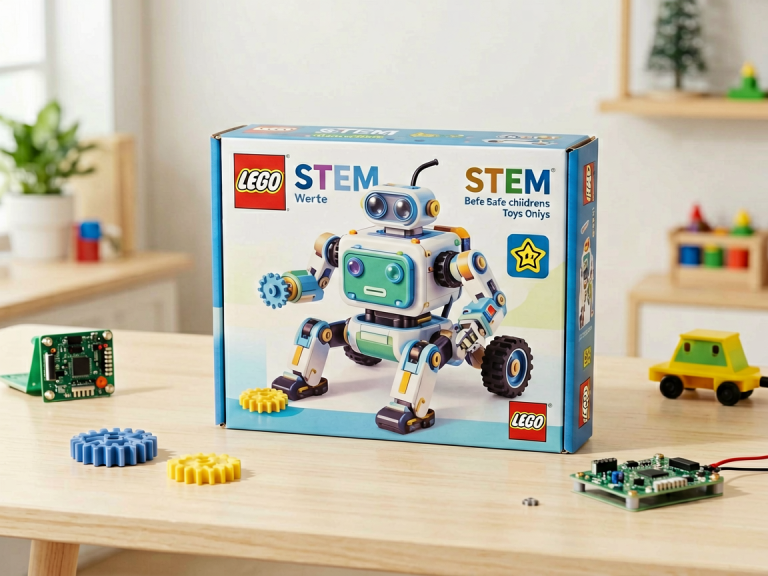
Expensive Toys and Structured Learning: Expensive toys often incorporate technology, lights, sounds, and interactive features. For example, a high‑end tablet designed for toddlers or a robotic coding kit can teach specific skills like logic, language, or early math through structured activities. There is evidence that well‑designed educational technology can accelerate learning in certain domains. However, a growing body of research suggests that over‑reliance on structured, outcome‑oriented toys may reduce a child’s ability to generate self‑directed imaginative play. When a toy does everything for the child—singing the alphabet, flashing correct answers, or moving on its own—the child becomes a passive observer rather than an active creator. In this sense, expensive toys can sometimes stifle the very creativity that cheap, blank‑slate toys foster.
Durability and Longevity: A Question of Economics
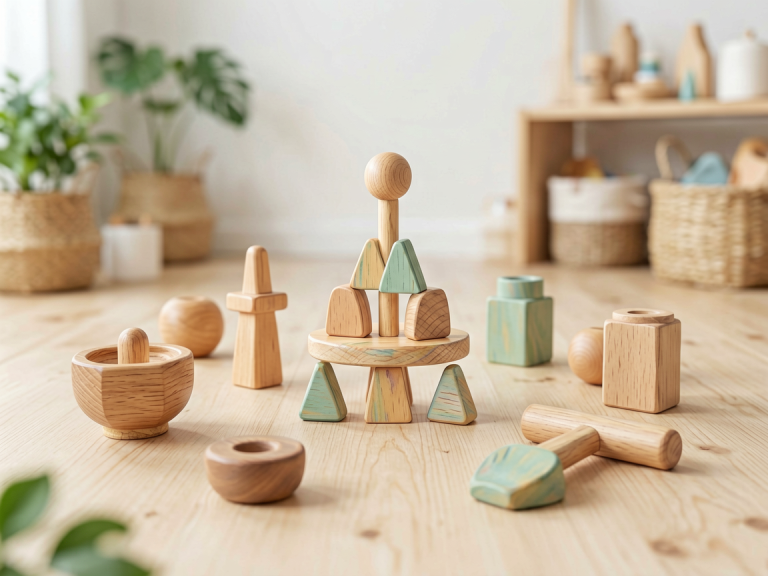
From a purely economic standpoint, expensive toys often win the durability battle. A high‑quality wooden train set may cost $100 but can be passed down through multiple children and still look almost new after a decade. In contrast, a $10 plastic version of the same set might break within three months, requiring replacement. Over the long term, the expensive toy may actually be cheaper on a per‑use basis. Furthermore, expensive toys that are designed with classic, timeless appeal (like building blocks, puzzles, or dolls with simple accessories) remain engaging for years, while cheap toys that are tied to fleeting movie trends lose appeal once the hype fades.
Yet, durability is not everything. Children outgrow toys not only because they break but because they become developmentally irrelevant. A cheap toy that captivates a two‑year‑old for six months may be perfectly adequate; by the time it breaks, the child has moved on. Spending a fortune on a toy that a child will only use for a short developmental window can be wasteful. The trick is to identify which toys have long‑term value—those that grow with the child, such as building systems, art supplies, or modular playsets—and which are best bought cheaply.
The Social and Emotional Dimension: Status, Attachment, and Sharing
Toys are not just objects; they are social currency. Expensive toys, especially branded ones (like a popular video‑game console or a signature dollhouse), can become symbols of status among peers. This can lead to positive social bonding when children play together, but it can also create exclusionary dynamics—kids without the expensive item may feel left out. Cheap toys, while less glamorous, often level the playing field. A handful of inexpensive marbles or a jump rope can be shared among many children without worry about damage or theft.
Emotionally, children often form strong attachments to toys regardless of price. A stuffed animal purchased at a discount store can become a beloved comfort object for years, while a costly electronic toy may be discarded after a week. The emotional value of a toy is not determined by its price but by the role it plays in a child’s life. Parents sometimes project their own anxieties about status onto toy purchases, believing that spending more signals better parenting. In reality, a child’s most cherished toy is often the one that aligns with their personal interests—whether it cost $1 or $100.
Environmental and Ethical Considerations
The environmental footprint of toys is an increasingly important factor. Cheap toys are typically made from virgin plastics, shipped long distances, and designed for short‑term use, contributing to landfill waste. Many are not recyclable. Expensive toys, particularly those made from sustainable materials (wood, organic cotton, recycled plastics) and produced under fair‑labor conditions, have a lighter impact on the planet. However, this is not a universal rule; some expensive toys are over‑packaged and made with non‑renewable resources. Ethical parents may choose to buy fewer, higher‑quality toys to reduce consumption, but they must also consider that a single $80 toy still requires resources for manufacturing and transport. The most environmentally friendly toy is often a secondhand one, regardless of its original price.
Practical Guidance for Parents
Given the complex trade‑offs, how should a parent navigate the cheap‑vs‑expensive landscape? Here are a few evidence‑inspired strategies:
- Prioritize Open‑Ended Play: Invest in toys that can be used in multiple ways—blocks, art supplies, loose parts (such as beads, buttons, or fabric scraps). These are often inexpensive and yield huge developmental dividends.
- Spend on Durability for Long‑Term Favorites: For toys that will be used for years (like a good bicycle, a set of magnetic tiles, or a classic dollhouse), it is worth paying for high‑quality construction.
- Avoid Trend‑Driven Purchases: Cheap toys tied to a current movie or TV show are likely to lose appeal quickly. If your child is deeply passionate about a specific theme, consider buying one high‑quality character or vehicle instead of a dozen cheap figures.
- Mix It Up: A balanced toy box does not need to be all expensive or all cheap. Combine a few premium items with many inexpensive, simple ones to provide variety without bankrupting the family.
- Focus on the Child, Not the Price Tag: Observe what types of play your child naturally gravitates toward—building, pretending, moving, creating—and choose toys that feed those interests, regardless of cost.
Conclusion
The debate between cheap toys and expensive toys is not a battle between good and evil but a spectrum of trade‑offs. Cheap toys can be incredibly effective at fostering imagination, social play, and risk‑free experimentation. Expensive toys, when chosen wisely, offer durability, safety, and sometimes targeted learning benefits. Ultimately, the best toy for any child is one that encourages active, joyful, and creative engagement—regardless of whether it came from a dollar‑store shelf or a boutique toy shop. By understanding the strengths and limitations of each category, parents can make thoughtful choices that support their child’s development while respecting their budget and values. In the end, a child does not need a room full of treasures; they just need a few well‑chosen companions for the adventure of growing up.