Cheap Toys vs. Expensive Toys: What Really Shapes a Child’s Development?
Introduction
Every parent has faced the same dilemma while standing in a toy aisle: should I buy the brightly colored, battery-operated robot for fifty dollars, or the simple set of wooden blocks for five dollars? The battle between cheap toys and expensive toys is not merely a question of budget—it taps into deeper concerns about child development, creativity, safety, and long-term value. While expensive toys often promise educational benefits, durability, and brand prestige, cheap toys offer accessibility and variety. Yet, the real question is not which category is “better” in absolute terms, but rather which type of play experience best nurtures a child’s cognitive, social, and emotional growth. This article explores the key differences between cheap and expensive toys, examining their impact on children through multiple lenses. By the end, you may find that the most valuable toy isn’t defined by its price tag.
The Illusion of “Educational Value” in Expensive Toys
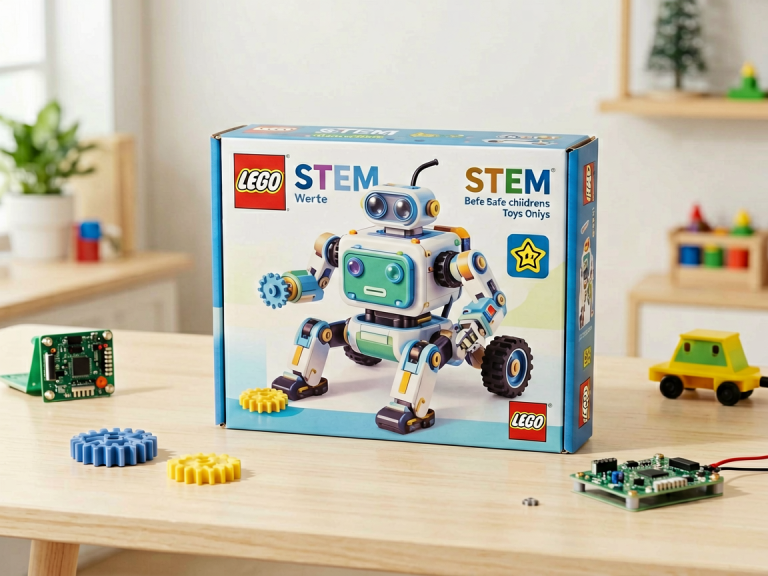
Manufacturers of high-end toys frequently market their products as “STEM-based,” “interactive,” or “skill-building.” A $100 electronic tablet for toddlers, for instance, claims to teach letters, numbers, and problem-solving through games. While such toys can introduce basic concepts, research in child psychology suggests that structured, screen-based play often limits the child’s role to that of a passive responder. The toy dictates the pace and outcomes, leaving little room for open-ended exploration. In contrast, simple cheap toys—such as a set of plastic cups, a ball, or a cardboard box—invite children to invent their own rules, imagine scenarios, and engage in what developmental psychologists call “divergent thinking.” A study published in the *Journal of Play* found that children who played with unstructured toys (like loose parts) demonstrated significantly higher creativity scores than those who used electronic, single-purpose toys. Therefore, the expensive toy’s supposed educational edge may be more marketing than substance.
Durability and Safety: When Cheap Becomes Costly
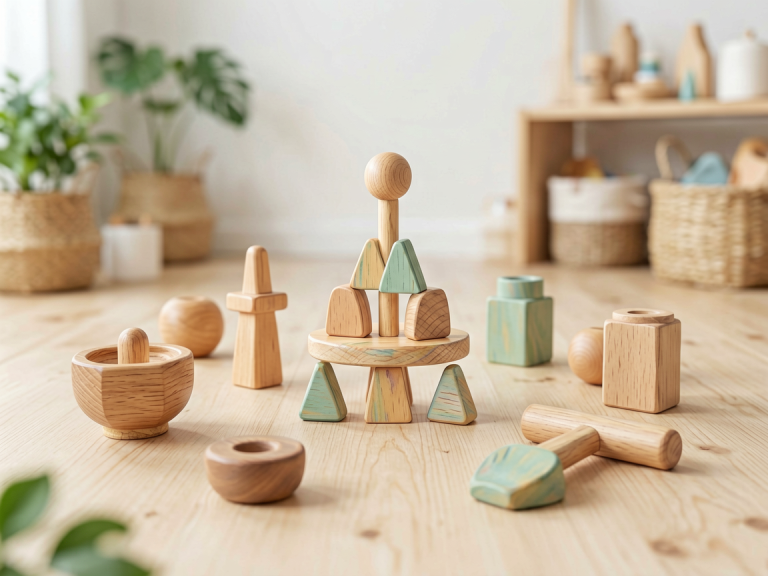
One undeniable advantage of expensive toys is their build quality. A well-constructed wooden train set from a reputable brand can last decades, passed down to siblings or even the next generation. Cheap plastic toys, on the other hand, often break within weeks, leaving sharp edges or small parts that pose choking hazards. Safety standards also vary: expensive toys are more likely to be tested for lead paint, phthalates, and other toxins. According to the U.S. Consumer Product Safety Commission, many low-cost imports have been recalled due to chemical violations. For very young children who mouth everything, investing in a pricier, certified-safe toy may be a non-negotiable priority. However, not all cheap toys are dangerous. Simple, unpainted wooden blocks from discount stores can be just as safe if properly inspected. The key is to assess the material, not the price. A cheap toy made of solid wood or BPA-free silicone can offer excellent durability at a fraction of the cost of a branded alternative.
The Role of Imagination: Why Simple Toys Often Win
A classic study by psychologist Alison Gopnik demonstrated that toddlers who played with “rich” toys (those with many features) showed less creative pretend play than those given “minimal” toys. Expensive toys often come with pre-programmed sounds, lights, and specific characters from movies or TV shows. These features direct the child’s play along a narrow track: the toy talks, the child listens; the toy moves, the child watches. In contrast, a cheap set of colored plastic rings can become a crown, a bracelet, a stacking tower, or a car wheel, depending on the child’s whim. This flexibility is the bedrock of imaginative development. Moreover, cheap toys reduce the “ownership anxiety” that sometimes accompanies expensive gifts. A child may be reluctant to build a messy tower with a pricey block set for fear of scratching it, but a five-dollar bag of plastic bricks invites fearless experimentation. The freedom to fail, to break, and to rebuild is essential for a growth mindset.
Social and Emotional Dimensions: Expensive Toys and Peer Dynamics
Expensive toys can sometimes create social hierarchies among children. A child who receives a coveted brand-name doll or an expensive video game console may become the center of attention—but this can also lead to jealousy or exclusion. Conversely, cheap toys that are widely available, such as jump ropes, balls, or sidewalk chalk, encourage inclusive group play. No child feels inferior because their jump rope costs less than another’s. Furthermore, studies on materialism indicate that children who receive many expensive gifts may develop an expectation of instant gratification and a diminished appreciation for non-material joys. Cheap toys, especially those that require assembly or creative modification, can teach patience, resourcefulness, and the satisfaction of making something from simple parts. A 2018 study from the University of Minnesota found that children from families that prioritized experiences over expensive possessions reported higher levels of happiness and lower stress.
Environmental and Economic Considerations
From a sustainability perspective, cheap toys often carry a heavier environmental footprint due to flimsy construction and short lifespans. They end up in landfills quickly. Expensive toys, if made from sustainable materials (like organic cotton, FSC-certified wood, or recycled plastics), can be more eco-friendly. However, many expensive toys are still plastic-based and non-biodegradable. The true environmental cost depends on the product’s lifecycle—not just its price. Economically, buying cheap toys allows families with limited budgets to offer variety and novelty, which can be beneficial for a child’s exploration. But constant purchasing of cheap, disposable items can actually cost more over time than buying a few high-quality, durable toys. A practical approach is to adopt a “total cost of play” mindset: a $5 toy that lasts a month costs $60 per year, while a $30 toy that lasts five years costs only $6 per year. Yet, this calculation ignores the developmental value of replacement and novelty, which cheap toys can provide through rotation.
Striking a Balance: Practical Recommendations for Parents
The most effective toy collection for a child does not need to be exclusively cheap or expensive. Instead, parents should curate a mix that maximizes different types of play. Invest in a few high-quality, safe, and durable items that will be used daily—for example, a sturdy wooden train track, a good-quality set of art supplies, or a well-made doll with safety-tested materials. Then supplement with an abundance of cheap, open-ended items: empty cardboard boxes, fabric scraps, plastic containers, balls, and simple puzzles. Rotate toys regularly to maintain interest without constant spending. Avoid toys that do all the work for the child. The best toy, regardless of price, is one that requires the child to actively think, imagine, and interact. As the saying goes, “The best toy is the child themselves.”
Conclusion
The debate between cheap and expensive toys cannot be resolved with a universal verdict. Expensive toys offer durability, safety assurance, and occasionally genuine educational content. Cheap toys provide accessibility, imaginative freedom, and the joy of low-stakes experimentation. What truly matters is not the price tag but the quality of play that a toy invites. A child’s development thrives on variety, autonomy, and creative challenge—elements that can be found in a dollar-store item just as readily as in an elaborate electronic gadget. By shifting focus from cost to play value, parents can make informed decisions that support their child’s growth without breaking the bank. After all, a child’s most cherished toy is often not the most expensive one, but the one that becomes a medium for endless stories, adventures, and laughter.