Wooden Toys vs. Plastic Toys: A Comprehensive Safety Analysis
Introduction
In the modern landscape of childhood development, the debate between wooden toys and plastic toys extends far beyond aesthetics and nostalgia. Parents, educators, and pediatricians frequently weigh the safety implications of these two dominant categories of playthings. While both have their champions and detractors, the question of which is safer is not as straightforward as it might first appear. Safety encompasses multiple dimensions: material toxicity, physical hazards (such as sharp edges or small parts), durability, environmental impact, and even the psychological safety of fostering healthy play. This article provides an in-depth, evidence-based comparison of wooden and plastic toys, examining each category’s strengths and weaknesses to help caregivers make informed decisions. By the end, readers will understand that safety is not inherent to a material but is mediated by design, manufacturing standards, usage context, and regulatory oversight.
Material Composition and Chemical Safety
Wooden Toys: Natural but Not Risk-Free
Wooden toys are often perceived as the “natural” alternative, free from synthetic chemicals. High-quality wooden toys are typically made from solid hardwoods such as beech, maple, or birch, and finished with non-toxic paints, water-based varnishes, or natural oils. When sourced responsibly and manufactured to rigorous standards (e.g., EN 71 in Europe or ASTM F963 in the United States), wooden toys pose minimal chemical risks. However, concerns arise when cheap or poorly regulated wooden toys enter the market. Some may be treated with toxic glues, formaldehyde-based adhesives, or lead-based paints, particularly if imported from countries with lax safety enforcement. Additionally, unfinished wooden toys can splinter, creating a different safety hazard, and they may harbor bacteria if not properly sealed. The natural grain of wood can also trap allergens such as dust mites, which is a consideration for sensitive children.
Plastic Toys: The Hidden Chemical Puzzle
Plastic toys, on the other hand, are overwhelmingly synthetic. The most common plastics include polyethylene (PE), polypropylene (PP), and acrylonitrile butadiene styrene (ABS), which are generally considered stable and safe when properly formulated. However, certain plastics have earned a notorious reputation. Polyvinyl chloride (PVC) often contains phthalates—plasticizers added to increase flexibility—which are linked to endocrine disruption and developmental issues. Although many jurisdictions (including the EU and the US) have banned or restricted phthalates in toys intended for children under a certain age, older or cheaper plastic toys may still contain these compounds. Another concern is bisphenol A (BPA), found in polycarbonate plastics, which mimics estrogen and has been associated with behavioral problems. Fortunately, BPA has been largely phased out of baby bottles and sippy cups, but it can still lurk in some toy components. Furthermore, plastic toys often involve bright, colorful paints or coatings that may contain heavy metals like cadmium or lead if not strictly controlled.
Key takeaway: Assuming both types meet current safety standards, well-made wooden toys generally have a simpler chemical profile and lower risk of leaching synthetic compounds. Plastic toys, however, are more vulnerable to chemical contamination from additives, and their safety depends heavily on the specific polymer and manufacturing quality. Parents should look for labels such as “phthalate-free,” “BPA-free,” and “non-toxic,” and favor established brands with transparent supply chains.
Physical Hazards: Sharp Edges, Small Parts, and Breakage
Wooden Toys: Splintering and Weight Concerns
Wooden toys, if poorly finished, can develop splinters or sharp edges over time, posing a risk of cuts or puncture wounds. High-quality wooden toys are sanded smooth and coated to prevent this, but repeated rough play, chewing, or exposure to moisture can degrade the finish. Another physical hazard is weight: solid wood blocks or trains are significantly heavier than their plastic counterparts. A toddler throwing a heavy wooden block can cause bruises or even more serious injury if it strikes the head or face. Additionally, wooden toys are often rigid and do not absorb impact well. Small wooden parts (such as wheels on a toy car) can also detach and become choking hazards if the toy is not well-constructed, though this risk is generally lower than with plastic toys because wood does not easily snap into tiny fragments.
Plastic Toys: Sharp Fragments and Choking Risks
Plastic toys are engineered to be lightweight and often to be shatter-resistant, but this is not always the case. Brittle plastics, especially cheap polystyrene or thin-walled items, can crack or break into sharp shards when dropped or bitten. A classic example is a hard plastic doll’s head that fractures into jagged pieces. Moreover, plastic toys frequently incorporate small detachable parts—buttons, wheels, eyes—that are precisely the size of a toddler’s airway. According to the U.S. Consumer Product Safety Commission (CPSC), the majority of toy-related choking incidents involve small plastic parts or broken pieces. Plastic toys also tend to have more intricate designs (like battery compartments, screws, or small moving parts) that can create pinch points or entrapment hazards. On the positive side, plastic can be molded with rounded edges and smooth surfaces that minimize cuts and scrapes, and it is generally less likely to splinter than wood.
Key takeaway: Neither material is inherently safe from physical hazards. Wooden toys pose risks from weight, splintering, and potential for heavy impact; plastic toys pose risks from breakage into sharp pieces and the prevalence of small detachable components. The safest approach is to select age-appropriate toys that undergo rigorous testing, regardless of material.
Durability, Hygiene, and Long-Term Safety
Wooden Toys: Longevity and Maintenance
Well-crafted wooden toys can last for generations if properly cared for. They are less likely to be thrown away after a few months of use, which is an environmental safety benefit (reducing exposure to degraded materials). However, wood is porous, which makes it susceptible to moisture absorption. If a wooden toy is frequently placed in a child’s mouth (teething rings, for example) or left in a damp environment, it can harbor bacteria, mold, or mildew. This is a health safety concern, especially for infants with developing immune systems. Cleaning wooden toys is more challenging: they cannot be soaked or washed in a dishwasher, and harsh chemical cleaners may damage the finish. Instead, they require gentle wiping with a damp cloth and mild soap, followed by thorough drying.
Plastic Toys: Sterilization and Degradation
Plastic toys are non-porous, making them much easier to sanitize. They can be wiped down with disinfectants, placed in the dishwasher (if labeled as safe), or even boiled for sterilization. This gives plastic a clear advantage in hygienic safety, particularly in daycare settings or during illness outbreaks. However, plastic degrades over time, especially when exposed to sunlight (UV radiation) or repeated washing with hot water. This degradation can cause the plastic to become brittle, release microplastics, or leach chemicals. A worn plastic toy with faded or chipped paint may expose underlying material that contains hazardous additives such as flame retardants or stabilizers. Moreover, some plastic toys are designed with internal metal components (for electronics or friction motors) that can rust or break, creating sharp edges.
Key takeaway: For hygiene, plastic toys are superior because they can be thoroughly cleaned and disinfected. For longevity, wooden toys have the edge if kept dry and clean. The long-term safety of plastic toys is compromised by chemical degradation and microplastic shedding, while wooden toys are vulnerable to microbial growth.
Environmental and Health Safety Intersections
While environmental safety is not the same as immediate physical safety, it directly impacts long-term human health and the planet children will inherit. Wooden toys, especially those made from sustainable forestry (FSC-certified), have a lower carbon footprint and are biodegradable at end of life. However, if they are coated with synthetic paints, the biodegradability is reduced. Plastic toys are nearly immortal in landfills, and many end up in oceans, breaking into microplastics that enter the food chain. Furthermore, the production of plastic toys involves petroleum extraction, refining, and chemical processing, which contributes to air and water pollution that can harm children’s respiratory health. In this broader sense, wooden toys are safer for the planetary environment, which is a legitimate safety consideration for families concerned about climate change and chemical pollution.
Regulatory Standards and Certification
No discussion of toy safety is complete without acknowledging the role of regulatory bodies. In the United States, the CPSC enforces the Consumer Product Safety Improvement Act (CPSIA), which places strict limits on lead content (90 ppm in paint and 100 ppm in substrate) and phthalates. In Europe, the EN 71 standard covers mechanical, chemical, and flammability safety. Both wooden and plastic toys must pass these tests to be legally sold. However, enforcement is not perfect: online marketplaces and dollar stores often sell non-compliant toys. Parents should look for certification marks such as CE (Europe), ASTM (US), or the more rigorous “Greenguard Gold” for low chemical emissions. Wooden toys certified by FSC (Forest Stewardship Council) also ensure responsible sourcing. For plastic toys, the absence of “phthalate-free” or “BPA-free” labeling should be a red flag.
Age-Appropriateness and Risk Perception
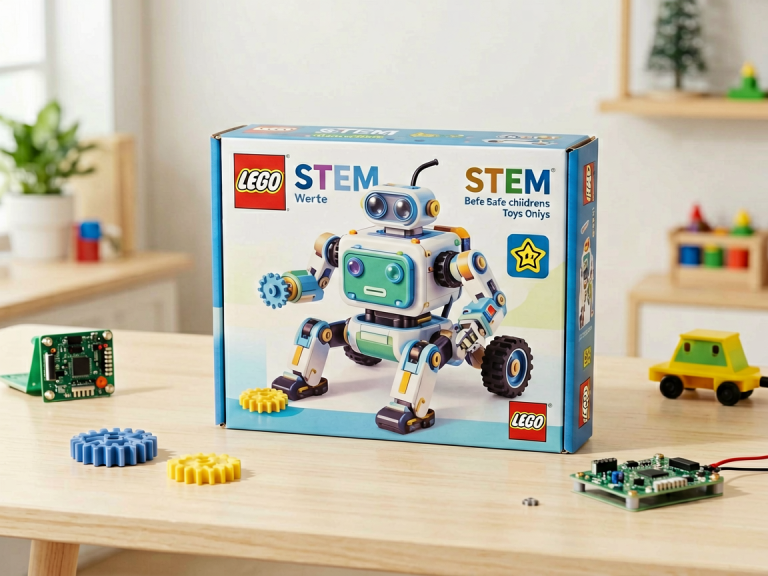
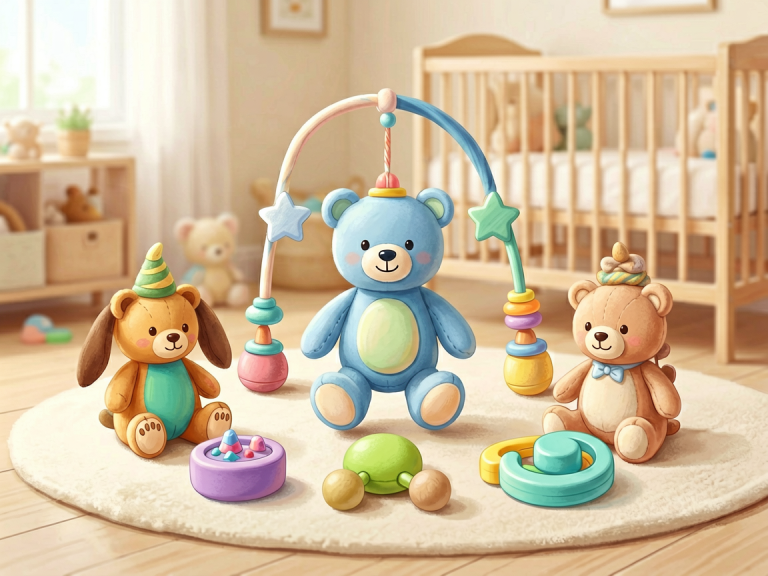
Finally, safety is relative to the child’s developmental stage. For infants mouthing objects, wooden toys should be free of splinters and coated with safe, unpainted or food-grade finishes. Plastic teethers made from silicone or medical-grade plastic are often preferred because they are soft and easily sterilized. For toddlers who throw and drop toys, lightweight plastic blocks pose less risk of injury than heavy wooden ones, but plastic blocks may crack. For preschoolers who like to combine parts, wooden unit blocks are classic and durable, while plastic construction sets (like LEGO) are designed with tight tolerances but small pieces can be a choking hazard for younger siblings. No single material is universally safest; context matters.
Conclusion: A Balanced Perspective
The debate between wooden toys and plastic toys for safety cannot be won by declaring one superior. Wooden toys offer a simpler chemical profile and greater durability when maintained, but they carry risks of splintering, heavy weight, and bacterial growth. Plastic toys offer easier hygiene and can be engineered to be impact-resistant and lightweight, but they harbor potential chemical leachates, degrade over time, and generate microplastic waste. The safest choice for any child depends on the toy’s specific design, the manufacturer’s adherence to safety standards, the child’s age and behavior, and the caregiving environment. Parents are advised to prioritize reputable brands, check for safety certifications, inspect toys regularly for wear, and rotate toys to maintain interest and reduce exposure. Ultimately, a balanced toy box—containing both high-quality wooden and safe plastic toys—may offer the broadest benefits, combining the timeless tactile appeal of wood with the functional versatility and easy-cleaning properties of plastic. Safety is not a material attribute; it is a practice of mindful selection, vigilant maintenance, and informed care.