The Paradox of Play: A Comparative Analysis of Cheap vs. Expensive Toys
Introduction
From the moment a child is born, toys become an inseparable part of development, imagination, and joy. Walk into any toy store, and the dichotomy is immediate: on one side, bins overflowing with brightly colored, low-cost plastic trinkets; on the other, sleek, branded boxes promising enhanced learning, durability, and prestige. This stark contrast between cheap toys and expensive toys is not merely a matter of price—it reflects deeper questions about value, childhood development, consumer culture, and even environmental responsibility. Parents constantly grapple with the dilemma: Is the expensive toy a worthy investment, or does the humble, inexpensive counterpart offer equal or even superior benefits? This article embarks on a comprehensive exploration of the differences, strengths, and weaknesses of cheap versus expensive toys, aiming to provide a balanced perspective for caregivers, educators, and anyone interested in the role of play in a child’s life.
The Price of Durability: Materials and Longevity
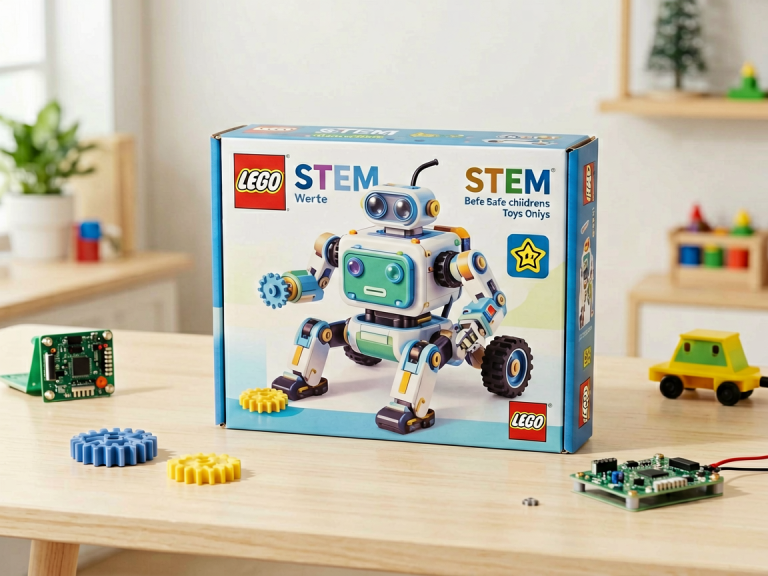
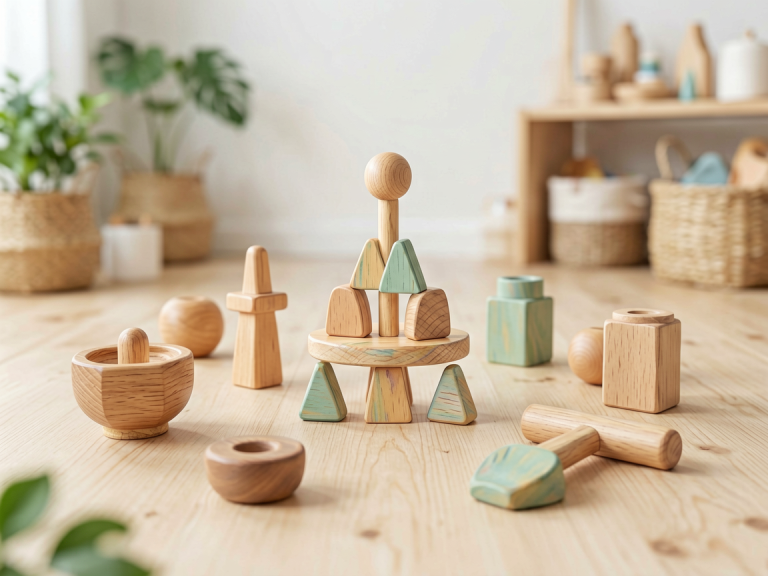
One of the most immediate and obvious distinctions between cheap and expensive toys lies in the quality of materials and construction. Expensive toys, often produced by reputable brands like LEGO, Melissa & Doug, or Montessori-certified manufacturers, typically use high-grade plastics, sustainably sourced wood, non-toxic paints, and reinforced stitching. These toys are engineered to withstand rough handling, frequent assembly and disassembly, and even occasional drops from a toddler’s high chair. A well-made wooden train set, for example, can survive years of play and be passed down to younger siblings or even the next generation. In contrast, cheap toys—often mass-produced in factories with minimal quality control—tend to use thinner plastics that crack easily, sharp edges that can cause splinters, and adhesives that fail after a few uses. A battery-operated toy from a discount store might stop working after a week, and its cheap screws may strip at the slightest torque. The initial savings on a cheap toy can be deceptive: when it breaks, it must be replaced, leading to cumulative costs that may exceed the price of a single durable expensive toy. However, not all cheap toys are created equal. Some inexpensive toys, such as simple wooden blocks from unbranded sellers, can be surprisingly robust if crafted from solid materials. The key is material awareness and the willingness to inspect before purchase.
Educational Value and Stimulation: Does Price Correlate with Learning?
A common selling point for expensive toys is their claimed educational benefit. Many high-priced toys are designed by child development experts, featuring progressive challenges, open-ended play possibilities, and alignment with STEM (Science, Technology, Engineering, and Mathematics) principles or Montessori methods. For example, an expensive magnetic building set encourages spatial reasoning, creativity, and fine motor skills through complex construction. Similarly, an interactive electronic learning tablet for toddlers may introduce letters, numbers, and problem-solving in a structured, engaging way. These toys often come with detailed guides or online resources to maximize their educational potential. On the flip side, cheap toys are frequently dismissed as mere distractions—noisy, flashing gadgets that overstimulate without teaching. Yet this generalization is unfair. Many low-cost toys, such as a simple ball, a set of plastic cups, or a jump rope, provide foundational sensory and motor experiences that are as rich as any expensive counterpart. A child can learn cause and effect just as effectively by dropping a cheap rubber ball as by pressing a button on a pricey robotic toy. Moreover, inexpensive toys often encourage more imaginative, open-ended play because they lack built-in scripts or electronic limitations. A stick can become a magic wand, a sword, or a fishing rod—free play that fosters creativity without any monetary investment. Thus, the educational value of a toy depends far more on how it is used and the adult’s involvement than on its price tag.
Marketing Hype vs. Practical Joy: The Role of Branding and Novelty
Expensive toys are often wrapped in elaborate marketing campaigns that promise not just fun, but also social status, exclusivity, and a competitive edge for the child. Brands like Barbie, Hot Wheels, or Fisher-Price have decades of research and emotional appeal behind them. The packaging itself can be a source of excitement—a sleek box with glossy photos of smiling children. When a child receives an expensive toy, the initial thrill is often amplified by its perceived value and the expectation of superiority. However, the novelty of any toy, regardless of cost, fades over time. Psychologists have noted that children quickly habituate to even the most sophisticated playsets, especially if the toy offers limited replayability. Conversely, cheap toys—slinkies, yo-yos, play dough, bubbles—can provide hours of simple, repetitive fun that doesn’t lose its charm. The absence of a complex instruction manual often means the child must invent new ways to play, extending the lifespan of interest. Marketing also influences parental guilt: parents may feel that spending more proves their love or commitment to their child’s development. Yet many children are equally delighted by a cardboard box as by a thousand-dollar playset. The real benchmark of a toy’s success is not its price but the quality of interaction it generates—whether it engages a child alone, with peers, or with caregivers.
Environmental and Ethical Considerations
A less discussed but increasingly important dimension is the environmental and ethical footprint of toys. Cheap toys are frequently manufactured in countries with lax labor and environmental regulations, leading to concerns about child labor, unfair wages, and pollution. The low price is often a direct result of cutting corners on worker safety and environmental standards. Moreover, cheap plastic toys are notoriously difficult to recycle. They often end up in landfills, where they take centuries to decompose, leaching toxic chemicals. Expensive toys, especially those from companies that emphasize sustainability, may use recycled materials, non-toxic finishes, and ethical supply chains. Brands like PlanToys or Green Toys explicitly market their eco-friendly credentials. However, not all expensive toys are ethical; many luxury toy brands still rely on high energy consumption and non-renewable resources. Conversely, the most environmentally friendly toy is often the one that already exists—hand-me-downs, secondhand toys, or simple objects from nature. In this regard, cheap toys that are purchased new and discarded quickly can be more harmful than a single, long-lasting expensive toy bought once. Parents seeking to minimize their ecological impact should prioritize durability, secondhand markets, and toys made from natural or recycled materials, regardless of the initial price.
Psychological Impact on Children and Parents
The price of a toy can inadvertently influence a child’s sense of self-worth and relationship with material goods. Expensive toys, when treated as precious, can create anxiety: a child may worry about breaking the toy or disappointing their parents. They might also develop an entitlement mindset, expecting that pricier equals better. On the other hand, cheap toys that break easily can teach frustration and disappointment, but also resilience and creativity in repair or substitution. There is also the issue of comparison—children who receive expensive toys may be envied by peers, while those with only cheap toys might feel left out. Parents play a crucial role in framing value. If a parent expresses that the cheap toy is “just as fun” or that the expensive toy is “special,” the child internalizes those attitudes. Moreover, the act of buying toys itself can become a source of conflict. Some parents overspend to compensate for lack of time, while others restrict spending to teach thrift. Research suggests that children benefit most from a moderate variety of toys—not too many, not too few—regardless of cost. A clutter of cheap toys can overwhelm a child and reduce focus, while a handful of high-quality, open-ended toys encourages deeper engagement. The ideal is a balanced toy box: a few sturdy expensive pieces that offer longevity, mixed with inexpensive items that spark spontaneous fun.
The Verdict: Context Matters More Than Cost
Ultimately, the debate between cheap and expensive toys cannot be resolved by a simple rule. Context—the child’s age, temperament, family values, and the environment—determines which type of toy offers greater benefit. For a toddler who puts everything in her mouth, a cheap, non-toxic silicone teether is perfectly adequate, while an expensive electronic learning toy may not be worth the risk of a cracked screen. For an older child deeply interested in robotics, a high-end programmable kit might be a transformative educational investment, whereas a cheap knock-off could frustrate and discourage. For families on a tight budget, creative solutions like DIY toys, library borrowing, or toy swaps can provide all the benefits of expensive toys without the cost. For families with disposable income, thoughtful selection of a few high-quality toys can reduce clutter and promote sustainability. The key is to resist marketing hype and instead observe how a child actually plays. Does the child lose interest in cheap toys too quickly? Or does a cheap toy become a favorite companion for months? Does the expensive toy collect dust after the first week? The answers will guide wise purchasing. In the end, what matters is the play itself—the laughter, the imagination, the learning, and the connection it fosters. Whether a toy costs one dollar or one hundred dollars, its true value is measured in moments of joy and growth.
Conclusion
The comparative analysis of cheap toys and expensive toys reveals a multifaceted landscape where price is only one variable among many. While expensive toys often offer superior durability, educational design, and ethical production, cheap toys can provide equal or greater opportunities for creativity, independent play, and social interaction. The modern consumer faces a paradox: we are constantly bombarded with messages that more expensive means better, yet the simplest, cheapest toys—a ball, a stick, a piece of string—have been the bedrock of childhood for millennia. Perhaps the wisest approach is to look beyond the price tag and focus on the toy’s ability to stimulate a child’s natural curiosity and imagination. In doing so, we free ourselves from the burden of consumerism and return to the purest essence of play: the joy of exploring the world, one toy at a time.