The Power of Play: Why Screen-Free Toys Are Essential for 2-Year-Olds
In an era dominated by glowing screens, streaming videos, and interactive digital apps, the simplest tools of childhood are often overlooked. For a two-year-old, the world is a boundless landscape of discovery—every texture, sound, color, and movement is a lesson in itself. Yet, many parents today find themselves reaching for tablets or smartphones to keep their toddlers occupied. While technology has its place, an overwhelming body of research in early childhood development underscores a crucial truth: screen-free toys are not merely nostalgic artifacts; they are vital instruments for building the cognitive, physical, and emotional foundations of a growing mind. This article explores why unplugged playthings are irreplaceable for two-year-olds, what types of toys offer the greatest developmental benefits, and how parents can intentionally curate a play environment that fosters deep, meaningful learning.
Why Screen-Free Toys Matter for Toddlers
The first few years of life are a period of explosive brain growth. By age two, a child’s brain has already reached about 80% of its adult weight, and neural connections are being formed at a rate of over one million per second. These connections are shaped primarily through sensory experiences, physical movement, and social interaction—not through passive consumption of digital content. Screen-free toys engage a toddler’s entire being: their hands, their eyes, their muscles, and their imagination. Unlike a video that dictates a linear narrative, a simple wooden block or a set of stacking cups invites open-ended exploration. The child decides what to do, how to do it, and what happens next. This autonomy is the bedrock of problem-solving skills, creativity, and self-confidence.
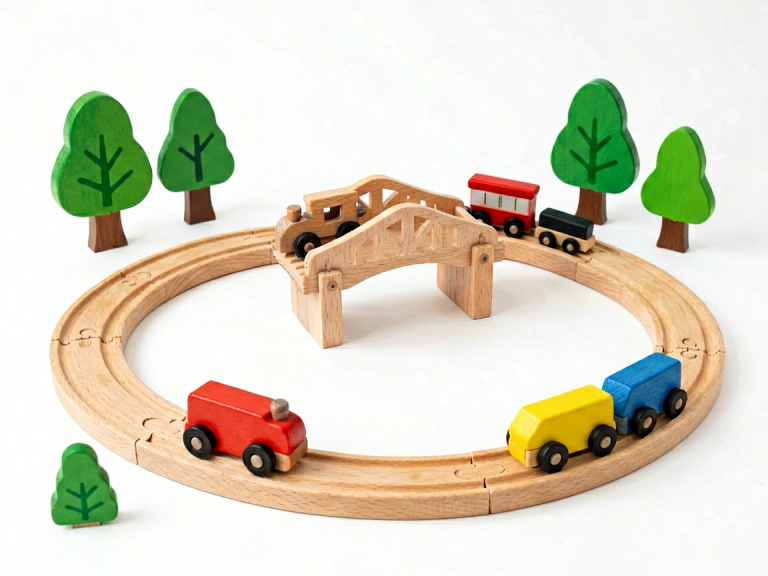
Moreover, screen exposure at such a young age can disrupt crucial developmental processes. The American Academy of Pediatrics recommends avoiding digital media for children under 18 months, and for toddlers aged 2 to 5, limiting screen time to one hour per day of high-quality programming. Yet, even “educational” apps often fail to deliver the multisensory, three-dimensional experiences that a toddler’s brain craves. A screen flattens the world into two dimensions; it removes the weight, texture, smell, and resistance of real objects. When a two-year-old picks up a smooth, cool wooden car and rolls it across the floor, they are not just playing—they are learning about gravity, friction, cause and effect, and the joy of agency. Screen-free toys provide this essential feedback loop that screens simply cannot replicate.
Key Developmental Benefits of Unplugged Play
Cognitive Growth and Problem-Solving Skills
Screen-free toys encourage what developmental psychologists call “divergent thinking”—the ability to generate multiple solutions to a single problem. Consider a set of simple wooden blocks. A two-year-old might first stack them, then knock them down, then line them up like a train, then sort them by color, then use them to build a “bridge” for a toy animal. Each activity requires planning, spatial reasoning, and trial-and-error. In contrast, a digital puzzle app often offers only one correct way to complete a task, with visual and auditory rewards that train the child to seek external validation rather than intrinsic satisfaction. Manipulative toys like shape sorters, nesting cups, and pegboards also strengthen the connection between the eyes and the hands, refining fine motor skills that are directly linked to later writing and drawing abilities.
Language and Social-Emotional Development
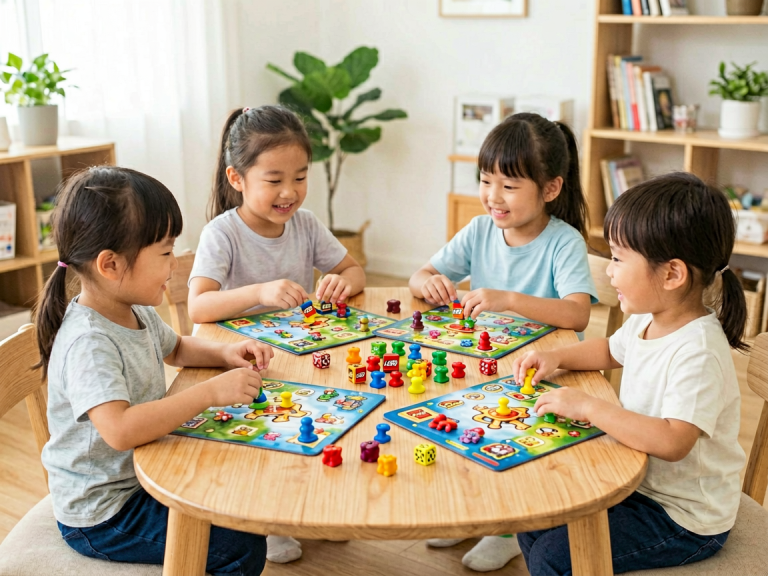
When a toddler plays with a screen-free toy, they are more likely to engage with a caregiver or another child. This social context is where language blossoms. A parent sitting on the floor with a set of animal figurines can say, “The cow says moo! Where is the cow’s tail?” The child points, babbles, or attempts words. This back-and-forth interaction—known as “serve and return”—is the most powerful driver of language acquisition and emotional bonding. Screen-based experiences, even video calls, cannot replicate this synchronized, responsive conversation. Furthermore, unplugged play teaches emotional regulation. When a tower of blocks falls, a two-year-old experiences frustration, but with a calm adult nearby, they learn to try again. They practice persistence, patience, and resilience—skills that no app can teach.
Physical Development and Sensory Integration
Two-year-olds are in a constant state of motion. They are learning to run, jump, climb, and balance. Screen-free toys that encourage gross motor activity—such as push-and-pull toys, ride-on cars, soft balls, and tunnels—build muscle strength, coordination, and body awareness. Meanwhile, sensory toys like play dough, sand, water tables, and textured balls provide vital sensory input that helps the brain organize information from the environment. This sensory integration is crucial for later attention, behavior, and learning. A child who spends too much time staring at a screen may miss out on the rich tactile and proprioceptive feedback that grounds them in their own body.
Top Categories of Screen-Free Toys for 2-Year-Olds
Building and Construction Toys
Simple, chunky blocks remain the gold standard. Look for sets made of natural wood (be careful with paint safety) or sturdy cardboard bricks. These toys grow with the child: at two, they stack; at three, they build houses; at four, they create complex structures. Magnetic tiles are another excellent option, as they introduce early concepts of magnetism and geometry while being easy for small hands to connect.
Imaginative and Pretend Play Sets
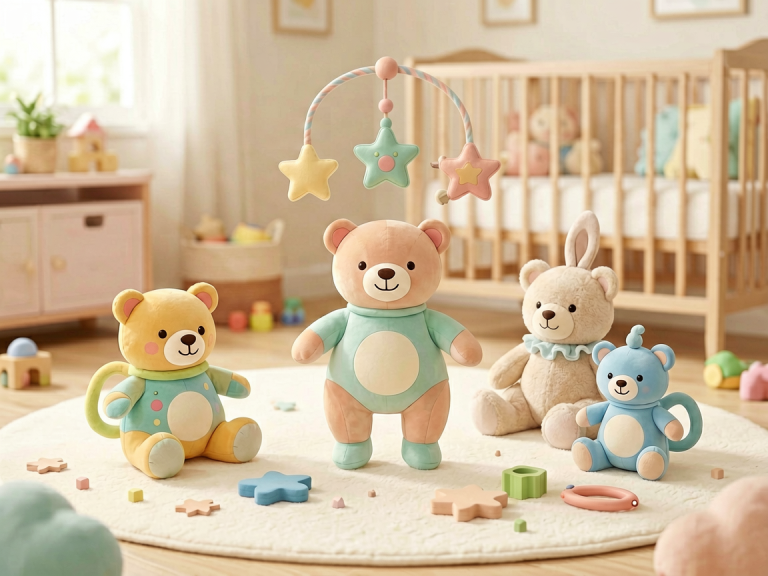
Toddlers are natural imitators. A play kitchen with plastic pots, pans, and wooden food items invites them to “cook” just like Mommy or Daddy. Dolls, stuffed animals, and simple doctor kits encourage nurturing role-play. These toys help children make sense of the world around them and develop empathy. A stuffed bear becomes a friend to comfort, a patient to care for, or a partner in a grand adventure.
Sensory and Fine Motor Toys
Play dough (homemade with safe ingredients), kinetic sand, water beads (with supervision), and finger paints provide open-ended sensory experiences. Lacing beads, pegboards, large puzzles with knobs, and simple threading toys refine finger dexterity. Musical instruments—such as shakers, small drums, and xylophones—introduce rhythm, cause and effect, and auditory discrimination. Even a simple cardboard box can become a sensory wonderland: a tunnel to crawl through, a house to decorate, a car to drive.
Gross Motor Toys
Ride-on toys without pedals (balance bikes or push cars), small slides, tunnels, and foam climbing blocks encourage active play. Balls of various sizes (soft, bouncy, textured) improve hand-eye coordination. A simple pull-along toy—a wooden duck on a string—teaches balance and walking control. Remember, the best gross motor play often happens outdoors, where a child can run on grass, dig in dirt, and chase bubbles.
Books and Puzzles
Board books with bright pictures, simple words, and interactive flaps remain a screen-free staple. Reading together is a shared, calming ritual that builds vocabulary and a love of stories. Puzzles with large, easy-to-grip pieces (2 to 5 pieces) teach spatial relationships and problem-solving. Choose puzzles featuring familiar objects like animals, vehicles, or family members.
How to Choose the Right Screen-Free Toys for Your Toddler
With an overwhelming array of options in stores and online, parents often feel pressured to buy the latest “educational” gadget. However, the best toys are often the simplest. Keep these principles in mind:
Safety first. For a two-year-old, avoid small parts that could be choking hazards. Look for toys made of non-toxic materials, with no sharp edges or loose strings. Age labels are a useful guide, but also trust your judgment.
Open-ended over single-purpose. A toy that can be used in many ways—like blocks, play dough, or a set of stacking cups—will hold a child’s interest far longer than a toy that does one thing, such as an electronic toy that lights up and plays a song when a button is pressed. Open-ended toys invite creativity and independent thinking.
Follow the child’s interests. If your toddler is fascinated by animals, invest in a set of realistic figurines and a pretend barn. If they love cooking, get a play kitchen. The toy that matches their current passion will be played with again and again.
Less is more. A playroom overflowing with toys can overwhelm a toddler, leading to distracted, shallow play. Rotate toys regularly—put some away for a few weeks, then bring them out again. This “toy rotation” keeps play fresh and encourages deeper engagement with each item.
Tips for Parents: Making Screen-Free Play a Joyful Habit
Transitioning away from screens can be challenging, especially if your toddler has already developed a taste for digital entertainment. Start gradually. Designate specific times of day as “screen-free zones”—for example, morning playtime, after nap, and before bedtime. Create a cozy play area with low shelves where toys are accessible. Join your child in their play. Sit on the floor, follow their lead, and narrate what they are doing. Your presence is the most valuable “toy” of all.
Resist the temptation to use screens as a pacifier during chores or car rides. Instead, have a basket of safe, quiet toys in the car—stuffed animals, board books, or a simple shape sorter. In the kitchen, let your toddler “help” with wooden spoons, plastic bowls, and measuring cups. Everyday objects often make the best toys.
Finally, be gentle with yourself. No parent can eliminate screens entirely, nor should they. The goal is not perfection but balance. Screen-free toys are not a punishment—they are a gift of time, space, and freedom. When a two-year-old grasps a chunky crayon and makes a wobbly line on paper, or when they stack one block on top of another and shout “Ta-da!” with pure joy, we see the miracle of learning happening in real time. That is a magic no screen can replicate.
Conclusion
In a world that constantly tells us to do more, buy more, and stimulate more, the quiet power of screen-free toys reminds us of a simple truth: children need less distraction and more connection. For a two-year-old, a wooden block is not just a block—it is a castle, a car, a mountain, a friend. It is a tool for understanding gravity, for practicing patience, for making a parent laugh. By choosing screen-free toys, we give our toddlers the greatest gift of all: the opportunity to build their own world, one block, one story, one joyful discovery at a time.