Wooden Toys or Plastic Toys for 6-Year-Olds: A Balanced Guide for Parents
Introduction
Choosing the right toys for a six-year-old is a decision that carries more weight than many parents realize. At this age, children are rapidly developing cognitive skills, fine motor abilities, social awareness, and emotional resilience. The toys they interact with daily can shape their creativity, problem-solving strategies, and even their attitudes toward sustainability. One of the most common debates among parents, educators, and child development experts is whether wooden toys or plastic toys are better for six-year-olds. Both materials have passionate advocates, but each comes with distinct advantages and limitations. This article offers a thorough, evidence-based comparison of wooden and plastic toys for six-year-olds, covering developmental impact, safety, durability, environmental considerations, play value, and cost. By the end, you will have a clear framework to make an informed choice that suits your child’s unique needs and your family’s values.
Developmental Benefits: How Each Material Supports Growth
Fine Motor Skills and Sensory Experience
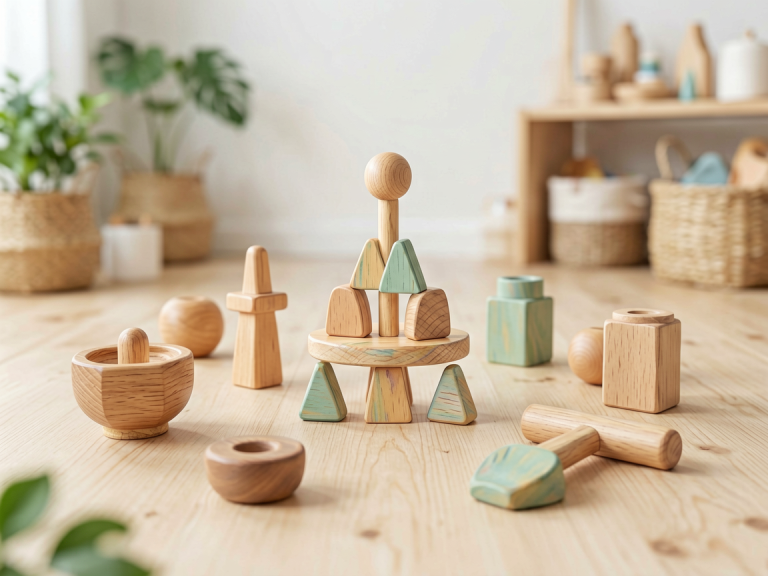
Six-year-olds are in a critical window for refining fine motor coordination. Wooden toys—such as building blocks, puzzles, lacing beads, and stacking rings—often require precise grip, controlled force, and careful alignment. The natural weight and texture of wood provide rich tactile feedback that plastic cannot fully replicate. When a child picks up a smooth wooden block, the slight grain and density demand more intentional finger movements, which strengthens the small muscles in the hands and fingers. Plastic toys tend to be lighter and sometimes more slippery, which can be easier to manipulate but offers less sensory variety. For a six-year-old who may still be struggling with pencil grip or buttoning clothes, the added challenge of wooden toys can be beneficial. However, plastic construction sets like LEGO also develop fine motor skills through snap-and-release actions, which require a different kind of precision. Both materials have a role, but wood often provides a more grounded, multi-sensory experience.
Cognitive and Problem-Solving Skills
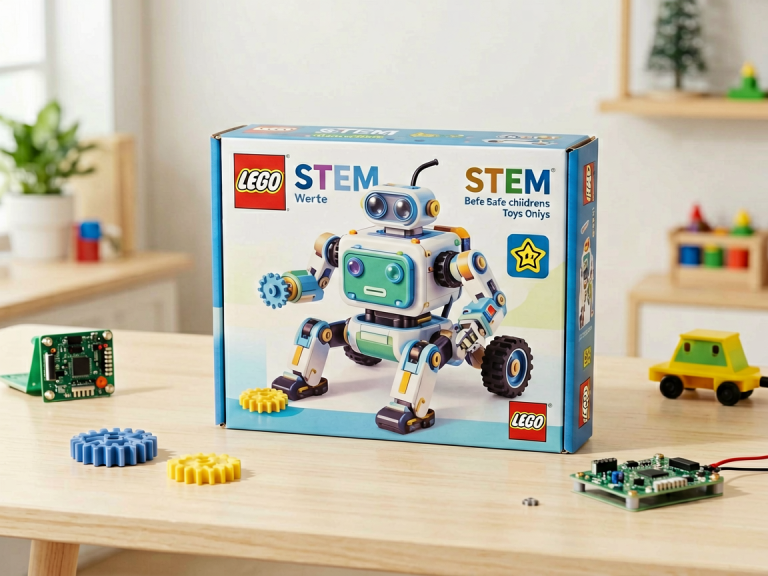
Both wooden and plastic toys can support cognitive development, but they tend to do so in different ways. Wooden toys are often open-ended—a set of plain wooden blocks can become a castle, a spaceship, or a bridge depending on the child’s imagination. This open-endedness encourages divergent thinking, planning, and spatial reasoning. Plastic toys, on the other hand, often come with pre-molded parts or specific instructions (think of a plastic robot that must be assembled in a certain way). These can teach sequential logic and following directions, but they may limit creative freedom. For a six-year-old who is beginning to understand cause and effect, both types are valuable. Wooden puzzles with natural patterns challenge visual perception, while plastic interlocking gears teach mechanical relationships. The key is variety: no single material covers every cognitive domain.
Safety and Durability: What Parents Must Know
Breakage, Choking Hazards, and Chemical Safety
Safety is a top concern for any toy at this age. Wooden toys, when well made, are extremely durable—a solid oak block can survive decades of play. However, cheap wooden toys may splinter or develop sharp edges over time, especially if they are painted with low-quality coatings. Parents should always check for smooth, non-toxic finishes. Plastic toys can break into small, sharp pieces if they are made from brittle plastics. Cheap plastic toys often contain phthalates or BPA, though reputable brands now avoid these. For six-year-olds, the risk of swallowing small parts exists with both materials—tiny plastic building bricks or wooden beads can be choking hazards. The key is to choose age-appropriate toys that meet safety standards (such as ASTM or EN71). In general, high-quality wooden toys have a longer lifespan, while plastic toys may degrade more quickly under rough play.
Weight and Impact
Wooden toys are heavier. While this gives them stability (a wooden train track won’t tip over easily), it also means that if a child throws a wooden block, it can cause more injury than a soft plastic toy. Six-year-olds can still be impulsive. Plastic toys are lighter and often have rounded edges, making them safer for energetic play. However, some plastic toys have sharp seams from the molding process. Always inspect toys upon purchase. On balance, plastic toys may be safer for active, running-around play, while wooden toys are better for seated, focused activities.
Environmental Impact: Sustainability and Longevity
Resource Use and Biodegradability
From an environmental perspective, wooden toys generally have a smaller carbon footprint if sourced from sustainably managed forests. Wood is a renewable resource, and natural wood toys can be composted or biodegraded at the end of their life—though painted or varnished wood may not break down as easily. Plastic toys are made from petroleum derivatives, a non-renewable resource, and they can take hundreds of years to decompose in landfills. However, not all plastic is equal: some toys are made from recycled plastics or plant-based bioplastics. The longevity of a toy also matters. A cheap plastic toy that breaks in three months and is thrown away has a worse environmental impact than a sturdy wooden toy that lasts for a decade. Conversely, a durable plastic toy that is passed down through siblings may offset its initial footprint.
Second-Life and Recycling
Wooden toys can often be repaired (sand, glue, repaint) or donated, and they have a timeless aesthetic that appeals to multiple generations. Plastic toys, especially those with electronic components or many small pieces, are harder to repair and recycle. Many municipal recycling programs do not accept mixed-plastic toys. Parents who prioritize sustainability should look for wooden toys made from FSC-certified wood and non-toxic finishes, or for plastic toys from companies that offer take-back programs. A six-year-old is old enough to learn simple environmental lessons: choosing a wooden toy over a plastic one can be a conversation starter about forests, resources, and caring for the planet.
Play Value and Imagination: What Six-Year-Olds Actually Enjoy
Screen-Free Engagement
At age six, many children are beginning to show interest in screens. Wooden toys, by their nature, are screen-free and often encourage hands-on, immersive play. A wooden dollhouse, a set of wooden animals, or a magnetic wooden maze can captivate a child for hours without batteries. Plastic toys, especially those that light up, make sounds, or move, can also inspire engagement but sometimes overstimulate or lead to passive consumption. A six-year-old might press a button on a plastic toy and watch it perform, whereas a wooden toy requires the child to be the active creator. Many educators argue that open-ended wooden toys foster deeper imaginative play because they don’t dictate a specific script. However, plastic construction sets like LEGO or magnetic tiles are also highly imaginative. The material is less important than the toy’s design: a plastic set with many interchangeable parts can be just as creative as a wooden one.
Social Play and Collaboration
Six-year-olds are developing friendships and learning to share, negotiate, and collaborate. Both wooden and plastic toys can support social play. A large set of wooden building blocks invites multiple children to build together, practicing turn-taking and cooperative planning. Plastic board games, with their colorful components and rule-based play, teach sportsmanship and patience. The advantage of wooden toys in social settings is that they are less likely to cause arguments over broken pieces—wooden blocks rarely snap. Plastic toys, especially those with fragile parts, can cause frustration when something breaks during group play. For classrooms and playdates, durable wooden toys are often preferred by teachers.
Cost and Accessibility: Balancing Budget and Quality
Initial Investment vs. Long-Term Value
Wooden toys tend to be more expensive upfront. A high-quality wooden puzzle can cost twice as much as a plastic counterpart. However, wooden toys often last for years and can be passed down to younger siblings or even to the next generation. Plastic toys are cheaper to manufacture and purchase, but many lose their appeal quickly—a plastic superhero figure may be forgotten once the movie hype fades. For a six-year-old who is still growing physically, a wooden train set or building blocks can be used in increasingly complex ways. Plastic toys with specific themes (e.g., a licensed character playset) may become outdated. Parents on a tight budget might find that a few well-chosen wooden toys offer better long-term value than a closet full of plastic ones.
Availability and Diversity
Plastic toys dominate store shelves and online marketplaces. They come in every color, theme, and price point, from cheap fast-food giveaways to sophisticated STEM kits. Wooden toys, while increasingly popular, are still less common and sometimes require searching specialty shops or artisan makers. Some families may not have easy access to quality wooden toys. However, many classic wooden toys—blocks, trains, puzzles—can be found in charity shops or handed down, reducing cost. For a six-year-old, having a mix of both materials is often the most practical approach: a few durable wooden staples plus some plastic toys that align with current interests (e.g., a plastic science kit or building bricks).
Making the Choice: Practical Recommendations for Parents
Consider Your Child’s Play Style
Every six-year-old is different. A child who loves building and constructing may thrive with wooden unit blocks, while a child who enjoys detailed, rule-based play might prefer plastic board games or magnetic building tiles. Observing your child’s natural tendencies is the best guide. If your child tends to throw toys, lightweight plastic may be safer; if your child is calm and focused, wooden toys can offer richer sensory experiences. Also consider the play environment: wooden toys are excellent for quiet time, while plastic toys with wheels or lights might be better for active play.
Prioritize Quality Over Quantity
Whether you choose wood or plastic, quality matters far more than the material itself. A well-made plastic toy from a reputable brand can be safer and more durable than a poorly finished wooden toy. Look for smooth edges, non-toxic paints (water-based for wood, lead-free for plastic), and sturdy construction. For wooden toys, avoid those with flimsy glued parts; for plastic toys, avoid those that feel brittle or have strong chemical odors. Investing in fewer, better toys encourages deeper engagement and reduces clutter.
Teach Responsible Use and Care
Six-year-olds can learn to care for their toys. Wooden toys should be kept dry and occasionally treated with natural oils. Plastic toys need cleaning to prevent dust buildup. Involve your child in maintaining their toys—wiping them down, putting pieces back in boxes. This teaches responsibility and respect for materials. It also extends toy life, making both wood and plastic choices more sustainable.
The Hybrid Approach
There is no need to commit exclusively to one material. Most families find that a balanced collection works best. For example, a wooden castle set for imaginative play, a plastic LEGO set for structured building, wooden puzzles for quiet time, and a plastic board game for family game night. This variety exposes the child to different textures, challenges, and types of play. The goal is not to argue which material is “better” but to understand how each contributes to a child’s holistic development.
Conclusion
The debate between wooden toys and plastic toys for six-year-olds is not a matter of right or wrong, but of understanding trade-offs. Wooden toys excel in sensory richness, durability, and environmental friendliness, while plastic toys offer affordability, variety, and often more interactive features. Both can support cognitive, social, and physical development when chosen wisely. The most important factors are safety, quality, and alignment with the child’s interests and developmental stage. As a parent, you can confidently mix and match, keeping an eye on long-term value and the joy of play. After all, a six-year-old does not care whether the block is made of wood or plastic—they care about the story they can build with it. Your role is to provide the tools and the space for that story to unfold.