Wooden Toys or Plastic Toys for Christmas Gifts: A Thoughtful Comparison
Introduction
Christmas is a season of joy, giving, and the magical sparkle in a child’s eyes when they unwrap a present. Amid the glittering lights and festive carols, one perennial question occupies the minds of parents, grandparents, and gift-givers alike: should I choose wooden toys or plastic toys for the children on my list? This decision is not merely a matter of taste—it touches on values, safety, sustainability, and the kind of play we want to encourage. In an era of mounting environmental concerns and an ever-growing market of cheap, mass-produced plastic playthings, the wooden toy has made a quiet comeback, championed by Montessori educators, eco-conscious families, and minimalist influencers. Yet plastic toys, with their bright colors, intricate mechanisms, and often lower price points, remain a dominant force under Christmas trees worldwide. This article will explore both options in depth, weighing their pros and cons across several key dimensions, and ultimately help you decide which type of gift best aligns with your intentions this holiday season.
The Case for Wooden Toys
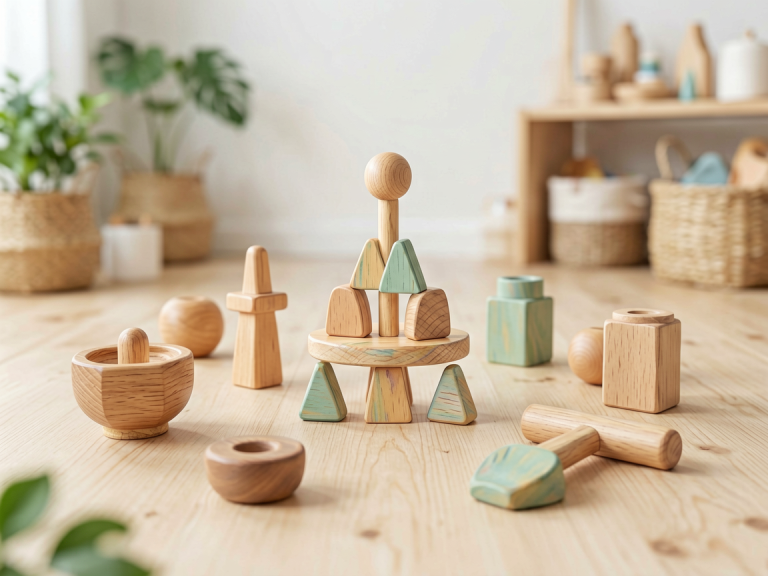
Wooden toys evoke a sense of nostalgia. They remind many adults of a simpler time, when a set of wooden blocks could become a castle, a car, or a spaceship. In an age of digital saturation, wooden toys offer a tactile, sensory-rich experience that encourages open-ended play. Unlike many plastic toys that come with predetermined buttons, sounds, and flashing lights, a wooden train track or a set of wooden animals invites children to invent their own stories, develop fine motor skills, and engage in problem-solving without distractions. Wood is also naturally warm to the touch, and its slight variations in grain and color give each piece a unique character that mass-produced plastic cannot replicate.
From a safety perspective, high-quality wooden toys are often finished with non-toxic paints, water-based varnishes, or left natural. They are sturdy, less likely to break into sharp shards, and, if well made, can last for generations. Many families pass down wooden toys from one sibling to the next, or even from parent to child, creating a sense of heritage. Moreover, wood is biodegradable. When a wooden toy eventually reaches the end of its life, it can be composted or repurposed, whereas plastic toys will linger in landfills for centuries.
However, wooden toys are not without drawbacks. They tend to be more expensive upfront, especially those crafted from sustainable hardwoods like beech, maple, or birch. They can also be heavier, which might pose a risk for very young infants if dropped. Additionally, some children may find wooden toys less visually stimulating compared to the neon colors and electronic features of plastic alternatives. For older children who crave complex, interactive play, a simple wooden puzzle might not hold their attention as effectively as a sophisticated plastic building set with gears and motors.
The Case for Plastic Toys
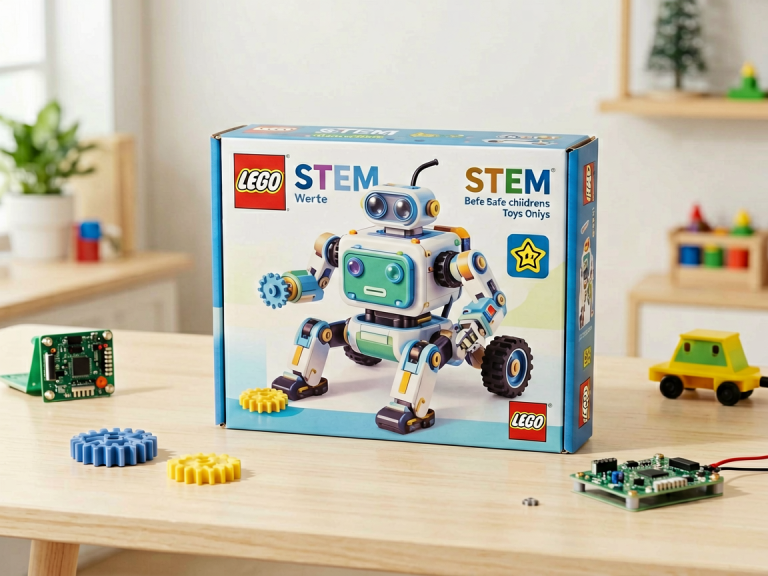
Plastic toys dominate the mass market for a reason: they are versatile, durable in many contexts, and often more affordable. The manufacturing process allows for an incredible range of colors, shapes, and functions. Think of LEGO bricks, which are made of ABS plastic and can withstand years of assembly, disassembly, and even accidental chewing. Plastic toys can incorporate lights, sounds, moving parts, and interactive features that mimic real-world objects—toy cash registers that scan, dinosaurs that roar, or dolls that “speak” phrases. Such features can captivate a child’s attention and support early learning in areas like cause-and-effect, language development, and pretend play.
Plastic toys are also lightweight, making them easy for small hands to manipulate and carry. They are generally easy to clean—a quick wipe with a damp cloth or a rinse under the tap is often sufficient. For families with multiple children, plastic toys can survive rough handling, drops, and even outdoor use (many are weather-resistant). And because they are inexpensive to produce, plastic toys often offer a broader variety of options at different price points, allowing gift-givers on a tight budget to still provide a generous pile of presents.
Nevertheless, the environmental cost of plastic is enormous. Most plastic toys are made from petroleum-based materials that are not biodegradable. They often contain additives like phthalates and bisphenol A (BPA) to soften or harden the plastic, which have been linked to endocrine disruption, especially in young children. While many countries now regulate these chemicals, not all manufacturers comply, and cheap, imported toys may still pose risks. Furthermore, plastic toys frequently rely on batteries, which add to electronic waste and environmental pollution. The durability of plastic can also be a double-edged sword: while it resists breaking, it can also crack under stress, exposing sharp edges or small parts that become choking hazards.
Sustainability and Environmental Impact
When we consider the keyword “Christmas gifts,” the environmental footprint is an increasingly significant factor. Wooden toys, when sourced from sustainably managed forests (look for FSC certification), represent a renewable resource. The production of wooden toys typically consumes less energy than plastic manufacturing, and any leftover wood can be used for other products or fuel. Over its lifetime, a wooden toy that is passed down for decades has a much lower per-year environmental cost than a plastic toy that ends up in the trash after a few months.
Plastic toys, on the other hand, contribute to the global plastic crisis. The toy industry is a major user of plastic, and the vast majority of plastic toys are not recyclable due to mixed materials, small size, and lack of collection infrastructure. They often end up in incinerators, landfills, or the ocean. Even “green” initiatives like bioplastics are not a panacea; they often require industrial composting facilities that are not widely available. Therefore, if sustainability is a top priority, wooden toys generally have a distinct advantage—provided they are not coated with toxic paints or shipped halfway around the world in non-recyclable packaging.
Safety and Durability
Safety is paramount when choosing gifts for children. Both wooden and plastic toys have their own sets of concerns. High-quality wooden toys are naturally free from harmful chemicals, but they can splinter if the finish wears off. They are also heavier, so a child who throws a wooden block could cause injury. Plastic toys, especially those made from cheap, brittle plastics, can break into sharp, jagged pieces. Additionally, small plastic components (like wheels, buttons, or figurine parts) are common choking hazards for children under three. The presence of electronics in plastic toys also introduces the risk of overheating or battery leakage.
In terms of durability, well-made wooden toys are often more robust over the long term. A wooden rocking horse can survive decades of gentle use, while a plastic one may crack after a few summers in the sun. However, plastic toys that are engineered for rough play—like LEGO, Duplo, or Fisher-Price’s sturdy vehicles—can also last for years. The key is to choose reputable brands that adhere to international safety standards (such as ASTM, EN71, or CE marks) regardless of the material.
Educational Value and Creativity
From a developmental perspective, wooden toys are often praised for inspiring open-ended, imaginative play. A set of wooden geometric shapes can help toddlers learn colors, sizes, and spatial relationships without the distraction of sound effects. Wooden puzzles require patience and hand-eye coordination. Wooden kitchens and dollhouses encourage role-playing and social skills. The simplicity of wood leaves the child’s mind free to create narratives rather than passively respond to programmed stimuli.
Plastic toys, however, are not devoid of educational value. Many plastic construction sets, like LEGO Technic or magnetic tiles, teach principles of engineering, physics, and geometry. Interactive plastic toys can introduce letters, numbers, and foreign languages through repetition and songs. For children with sensory processing issues, plastic toys with different textures, lights, and sounds can provide beneficial stimulation. The key difference lies in how the toy is used. A plastic toy that “does everything” (e.g., a talking robot that moves on its own) may limit a child’s creativity because the play is predetermined. In contrast, a wooden toy that is “passive” (e.g., a set of wooden blocks) requires the child to take the lead. Research in early childhood education suggests that the most enriching toys are those that allow for 90% child input and 10% toy output—a ratio that wooden toys often embody more naturally than their flashy plastic counterparts.
Which Should You Choose This Christmas?
There is no one-size-fits-all answer. The best choice depends on the child’s age, personality, interests, and the values of the family. For infants and toddlers who mouth everything, opt for large, solid wooden toys with non-toxic finishes—they are safer and encourage sensory exploration. For preschoolers who love building and construction, a high-quality plastic building set like LEGO Duplo is both durable and educational. For children who already have too many noisy, battery-operated gadgets, a beautiful wooden play kitchen or a set of wooden trains might offer a calming, creative alternative. And for the child who is passionate about dinosaurs or space, a well-made plastic set with detailed figurines could spark a lifelong interest in science.
Also consider the message you want to send. Choosing wooden toys supports small artisans and sustainable practices. Choosing plastic toys can still be thoughtful if you pick ones that are built to last, made from recycled materials, or designed to be passed on. A growing number of brands now produce eco-friendly plastic toys (using recycled ocean plastic, for instance), offering a middle ground. For the environmentally conscious, the most important factor is longevity: a toy that is loved and used for years is always better than one that is discarded after a few weeks, regardless of material.
Conclusion
In the end, the debate between wooden and plastic toys is not a battle of good versus evil, but a spectrum of trade-offs. Wooden toys offer sustainability, sensory richness, and timeless appeal, while plastic toys bring affordability, versatility, and the ability to incorporate technology. This Christmas, the most meaningful gift you can give is not defined by the material it is made from, but by the thought behind it—and the joy it brings to the child who receives it. Whether you choose a hand-carved wooden rocking horse or a bright plastic remote-controlled car, what matters most is that the gift encourages play, learning, and connection. After all, the true magic of Christmas lies not in the toys themselves, but in the laughter, the shared moments, and the memories that will last far longer than any block or brick. So, as you wrap your presents this year, take a moment to consider the whole picture: the child, the planet, and the kind of play you want to nurture. And then choose, with confidence and love, knowing that either path can lead to a very merry Christmas indeed.