Wooden Toys vs Plastic Toys for 5-Year-Olds: A Comprehensive Comparison for Conscious Parents
Introduction
The toy aisle of any modern store presents a dazzling, and often overwhelming, array of choices. For parents of five-year-olds, the decision is particularly critical. At this age, children are transitioning from toddlerhood into early childhood, developing fine motor skills, social abilities, and a deeper understanding of the world around them. Among the most fundamental choices is the material of the toys themselves: wooden or plastic? Both have passionate advocates, and both have distinct advantages and drawbacks. This article delves into a thorough, evidence-based comparison of wooden and plastic toys specifically for five-year-olds, examining safety, durability, environmental impact, educational value, sensory development, and overall play experience. By the end, you will have a clear framework to make informed decisions that support your child’s growth and align with your family’s values.
Safety and Durability: A Matter of Construction and Chemistry
The Case for Wooden Toys
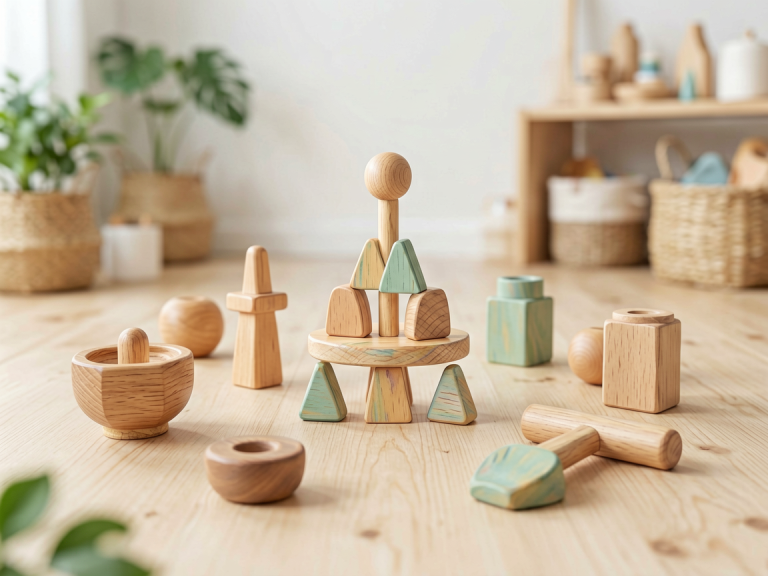
Wooden toys have long been celebrated for their sturdiness and safety. High-quality wooden toys, typically made from beech, maple, or rubberwood, are sanded smooth and finished with non-toxic, water-based paints or natural oils. For a five-year-old who is still prone to putting objects in their mouth or chewing on corners during teething transitions, the absence of harmful chemicals like BPA, phthalates, and lead is a significant advantage. Unlike some cheap plastic toys that may leach toxins when chewed or exposed to saliva, well-crafted wooden toys are biocompatible and inert.
Wooden toys are also remarkably durable. A solid wood block set can withstand years of dropping, stacking, and even being thrown across the room. However, there is a nuance: wooden toys can splinter if poorly manufactured or if they receive rough treatment (e.g., being deliberately smashed against concrete). For a five-year-old, the risk is relatively low because they have better control than toddlers, but it is still a consideration. Additionally, wooden toys are not waterproof. Leaving them outdoors in rain or submerging them in bathwater can cause warping, cracking, or mold growth. For typical indoor play, though, they last for decades and can be passed down to siblings or future generations.
The Case for Plastic Toys
Plastic toys dominate the market for good reason: they are lightweight, waterproof, and often cheaper. High-quality plastic toys (such as those made from ABS or polypropylene) are designed to be impact-resistant and free of sharp edges. For five-year-olds who love water play, sandboxes, or messy sensory activities, plastic is far more practical. You can wash plastic toys in the dishwasher, soak them in bleach solution for germs, or leave them in the garden without worry.
However, the safety of plastic toys heavily depends on the manufacturer’s standards. Low-cost plastic toys from unregulated sources may contain phthalates used to soften plastic, which are known endocrine disruptors. Even BPA-free plastics can leach other problematic chemicals under heat or wear. For a five-year-old who is still developing their immune and endocrine systems, minimizing exposure is wise. Furthermore, plastic toys often have small parts that break off—a five-year-old’s prying fingers can snap a flimsy plastic wheel from a toy car, creating a choking hazard. Wooden toys, by contrast, rarely have such breakable small components unless they are intentionally designed with detachable pieces.
Environmental Impact: From Production to Disposal
Wooden Toys: A Renewable, Biodegradable Choice
From an ecological perspective, wooden toys have a clear advantage when sourced responsibly. Wood is a renewable resource—especially if the manufacturer uses certified sustainable forestry (e.g., FSC-certified). The energy required to process raw wood into a toy is significantly lower than that needed to manufacture plastic from petroleum. Moreover, wooden toys are biodegradable. At the end of their life, they can be composted, burned for heat, or simply left to decompose naturally without leaving microplastics in the soil or water.
However, not all wood is equal. Some wooden toys are made from tropical hardwoods like mahogany or teak, which may involve deforestation or long-distance shipping carbon footprints. Additionally, the paints, glues, and varnishes used can contain volatile organic compounds (VOCs) if the manufacturer is not eco-conscious. For the most environmentally friendly choice, look for toys made from local hardwoods (e.g., European beech, North American maple) and finished with natural beeswax or linseed oil.
Plastic Toys: The High Cost of Convenience
Plastic toys are almost exclusively derived from fossil fuels—unsustainable, non-renewable resources. The manufacturing process is energy-intensive and emits greenhouse gases. Worse, plastic toys are virtually immortal in landfills. A typical plastic toy can take 400 years or more to decompose, breaking down into microplastics that contaminate ecosystems and enter the food chain. Recycling plastic toys is challenging because they are often made from mixed materials, brightly dyed, and contaminated with food or dirt. Most municipal recycling programs do not accept them.
There is a growing market for bioplastics (made from corn, sugarcane, etc.), but these are still rare in the toy industry and often require industrial composting facilities that most households do not have access to. For a five-year-old who might own dozens of plastic toys, the cumulative environmental cost is staggering. Parents who prioritize sustainability will find wooden toys to be the far superior option—provided they are purchased from ethical companies.
Educational Value and Creativity: The Open-Ended vs. The Pre-Scripted
Wooden Toys: Champions of Open-Ended Play
Five-year-olds are in a golden age of imagination. They are capable of complex pretend play, storytelling, and problem-solving. Wooden toys, particularly blocks, simple animal figures, train tracks, and dollhouses, excel at fostering open-ended play. A set of plain wooden blocks can become a castle, a spaceship, a bridge, a hospital, or a zoo—limited only by the child’s imagination. There are no pre-programmed sounds, no flashing lights, no specific story line imposed by the toy’s design. This freedom is crucial for cognitive development: it encourages divergent thinking, spatial reasoning, and the ability to create narratives independently.
Wooden puzzles (such as tangrams, pattern blocks, or peg puzzles) also offer significant educational value. They require fine motor control, hand-eye coordination, and logical sequencing. Unlike plastic puzzles that may have molded plastic pieces that snap together easily, wooden puzzles often have more precise tolerances, teaching children patience and careful manipulation.
Plastic Toys: The Double-Edged Sword of Interactivity
Plastic toys are often designed with a specific purpose: a plastic fire truck that makes siren sounds, a battery-operated robot that dances, a playset that comes with fixed accessories. These can be highly engaging and can teach cause-and-effect (press a button, hear a sound). For a five-year-old learning about the real world, a detailed plastic toy farm with animals and a tractor can be a useful educational tool.
However, the danger is that many plastic toys are overly prescriptive. A plastic toy that “does everything” may leave little room for the child’s own input. The child becomes a passive observer rather than an active creator. Studies in developmental psychology have shown that children engage in more sophisticated pretend play with simpler, less realistic toys. Moreover, battery-operated plastic toys often have a limited lifespan—once the batteries die, the charm fades, and the toy becomes a dead weight. The noise and lights can also overstimulate a child, leading to shorter attention spans and less deep play.
Sensory Development: Textures, Sounds, and Weight
The Rich Sensory Experience of Wood
Wood offers a unique sensory profile that is hard to replicate. Its natural grain, warmth to the touch, and subtle variations in color and pattern provide a tactile experience that is both calming and interesting. For a five-year-old, handling wooden toys can help develop proprioception and an understanding of weight and balance—a wooden block feels solid and has a satisfying heft compared to a hollow plastic one. The sound of wooden blocks clacking together is gentle and natural, unlike the high-pitched electronic beeps of plastic toys. Wood also has a faint, pleasant smell (if unfinished or lightly oiled) that contributes to a multisensory experience.
Plastic: Uniform and Predictable
Plastic toys are usually smooth, uniform, and cool to the touch. While this is not inherently bad, it offers less sensory variety. Many plastic toys are molded to have textured surfaces (e.g., a plastic dinosaur with scales), but the texture is often the same cold, hard feel. The sound of plastic toys tends to be hollow and clattery, which can be grating. On the positive side, plastic is lightweight, allowing children to carry larger toys easily. And for water or sand play, plastic’s non-porous surface is ideal.
For a five-year-old, sensory diversity is important for brain development. A play space that includes both wooden and plastic toys can provide a balanced sensory diet. However, if forced to choose only one material, wooden toys generally offer a richer, more natural sensory experience.
Social and Emotional Benefits: Fostering Patience and Cooperation
Wooden Toys: Encouraging Calm and Focus
Wooden toys often lend themselves to slower, more intentional play. A child building a block tower must concentrate, plan, and adjust. When the tower falls, they learn resilience and problem-solving. This type of play is inherently social: children typically build together, negotiate roles, and share resources. Wooden train sets or marble runs require cooperation and turn-taking. Because wooden toys are less flashy, they do not compete for attention in a distracting way; they invite the child to invest their own energy into the activity.
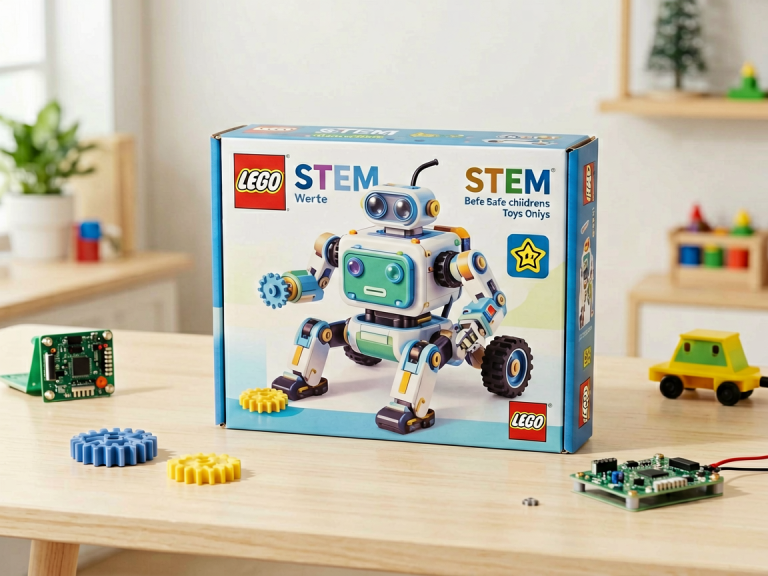
Plastic toys, particularly electronic ones, can sometimes lead to solitary play (the child interacts with the toy rather than with peers). Many plastic toy sets are also very thematic and come with a defined narrative (e.g., a pirate ship with a specific story), which can limit imaginative collaboration. That said, there are excellent plastic toys that promote social play, such as board games, construction sets like LEGO, or role-play costumes. But note that even LEGO has a plastic element and is often considered a hybrid.
The Role of Aesthetics and Durability in Emotional Attachment
Five-year-olds form strong attachments to their toys. A wooden toy, with its timeless beauty and durability, can become a cherished heirloom. The act of caring for a wooden toy—wiping it clean, storing it carefully—teaches responsibility. Plastic toys, especially cheap ones, tend to break easily, leading to frustration and disappointment. A child who loves a plastic toy that shatters after a few weeks may become disillusioned. Wooden toys, by contrast, feel “special” and can be passed down, creating a sense of history and permanence.
Cost-Effectiveness and Long-Term Value
Initial Cost: Wooden Toys Are Pricier
There is no escaping the fact that high-quality wooden toys are more expensive upfront. A set of wooden blocks may cost $30–$60, whereas a comparable plastic set might be $10–$20. For parents on a tight budget, plastic toys seem more accessible. However, consider the lifespan. Wooden toys can last for decades and be used by multiple children, while plastic toys often break within months. Many plastic toys are also part of rapidly changing fads (e.g., a TV show character), meaning they are quickly outgrown or become undesirable. Wooden toys, with their classic design, remain interesting across ages.
Hidden Costs of Plastic Toys
Beyond the purchase price, plastic toys often require batteries, which are an ongoing expense and an environmental hazard. Electronic plastic toys also tend to be less “open-ended,” so children may grow bored faster, leading to more purchases to keep them entertained. Some studies have shown that children with fewer toys (but higher quality) tend to engage in longer, more focused play sessions. Investing in a few excellent wooden toys may actually reduce the total number of toys needed.
Practical Considerations for Parents of Five-Year-Olds
Storage and Cleanup
Wooden toys are generally easier to organize because they come in simple shapes that stack neatly. Plastic toys, especially large playsets with many small pieces (e.g., a plastic shopping cart with fake food), can create clutter and lose pieces easily. A five-year-old can be taught to sort wooden blocks by size or shape, an educational activity in itself. For families who value minimalism, wooden toys align better.
Allergies and Sensitivities
Some parents worry about wood allergies, but true allergic reactions to finished wood toys are extremely rare. More common is sensitivity to dust mites on stuffed toys. Plastic toys can be wiped clean, but they can also harbor bacteria in crevices. Wooden toys that are sealed with varnish are also easy to wipe.
Conclusion: Striking the Right Balance
Neither wooden nor plastic toys are universally superior for five-year-olds. The ideal toy box should include a thoughtful mix that leverages the strengths of each material. Wooden toys should form the core of the collection: open-ended building sets, simple animal figures, puzzles, and classic dolls or cars. These provide the foundation for creativity, sensory richness, and durable play. Plastic toys can be reserved for specific purposes where their properties are advantageous: water play, outdoor use, electronic learning tools (in moderation), and highly thematic playsets that spark interest in a particular subject (e.g., a plastic dinosaur set for a paleontology enthusiast).
Above all, the most important factor is not the material but the quality of the play. A five-year-old will benefit far more from a single wooden block set that they use to build, destroy, and rebuild for hours than from a dozen cheap plastic toys that beep, blink, and break. As a conscious parent, evaluate each toy on its own merits: Is it safe? Is it durable? Does it encourage active, imaginative participation? With this guide, you are now equipped to make choices that will support your child’s development, protect the planet, and stand the test of time. The best toy is the one that invites endless possibilities—and both wood and plastic can, in their own ways, fulfill that promise when chosen wisely.