Wooden Toys vs Plastic Toys: A Timeless Debate in Child Development and Sustainability
Introduction
The toy industry has long been divided between two dominant materials: wood and plastic. As parents, educators, and environmentalists increasingly scrutinize the products that fill children’s playrooms, the debate over wooden toys versus plastic toys has grown more nuanced and urgent. Each material offers distinct advantages and drawbacks that affect not only a child’s developmental journey but also the planet’s ecological future. This article examines the key differences between wooden and plastic toys through the lenses of environmental impact, developmental benefits, safety, sensory experience, durability, cost, and modern innovation. By understanding these dimensions, caregivers can make more informed choices that align with their values and their children’s needs.
Environmental Impact: A Clear Divide
*Sustainability and Production*
Wooden toys, when sourced from responsibly managed forests, represent a renewable resource. Manufacturers often use FSC-certified wood, ensuring that for every tree harvested, another is planted. The production of wooden toys typically requires less energy and generates fewer greenhouse gases compared to plastic manufacturing, which relies heavily on fossil fuels. Moreover, wooden toys are biodegradable and can decompose naturally at the end of their life cycle, leaving minimal trace on landfills. In contrast, plastic toys are derived from petroleum or natural gas, non-renewable resources whose extraction and processing contribute significantly to carbon emissions. Most plastic toys are not biodegradable; they can persist in the environment for hundreds of years, breaking down into microplastics that contaminate soil and water.
*End-of-Life Considerations*
The disposal of plastic toys poses a serious challenge. Many are made from mixed materials or contain small electronic components, making them difficult to recycle. As a result, the vast majority end up in landfills or incinerators. Wooden toys, especially those finished with non-toxic paints or natural oils, can be safely composted or repurposed. Some companies even offer take-back programs to recycle or upcycle old wooden toys. This stark contrast in environmental footprint makes wooden toys the clear winner for eco-conscious families—provided the wood is sustainably harvested. However, it is worth noting that some plastic toys are made from recycled materials, and innovations in bioplastics may eventually narrow the gap.
Developmental Benefits: More Than Just Play
*Cognitive and Motor Skills*
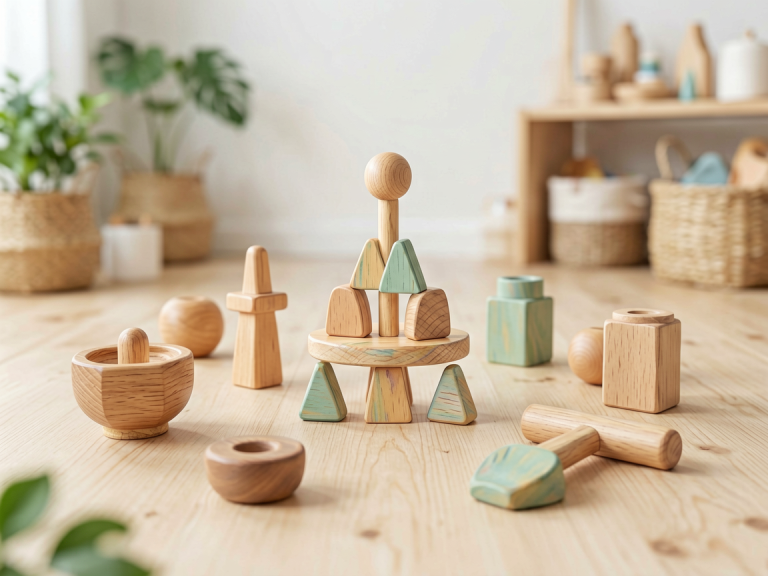
Wooden toys are often praised for their simplicity and open-ended nature. A set of wooden blocks, for example, can be stacked, sorted, balanced, and imagined into countless structures, encouraging creativity, problem-solving, and spatial reasoning. Without flashing lights or pre-programmed sounds, children must engage their own minds to generate play scenarios. Plastic toys, on the other hand, frequently come with batteries, lights, and sounds that can overstimulate a child and limit imaginative play. While some electronic plastic toys teach letters or numbers, studies suggest that excessive passive stimulation may hinder attention span and self-directed exploration. Wooden puzzles, train sets, and stacking rings also refine fine motor skills and hand-eye coordination through tactile manipulation.
*Social and Emotional Growth*
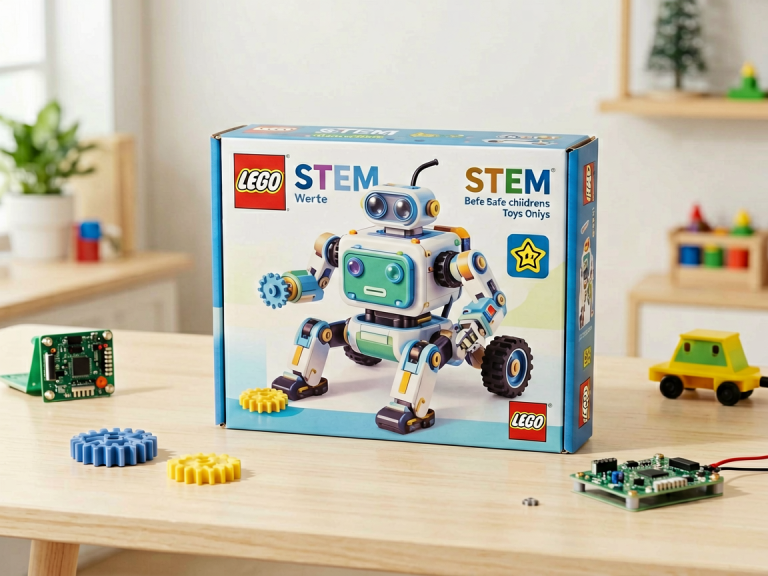
The simplicity of wooden toys often promotes cooperative play. Two children can negotiate roles with a wooden farm set, developing language and social skills. Plastic toys that are highly themed—such as branded action figures or licensed character playsets—may channel play into narrow scripts, potentially reducing opportunities for creative storytelling. Additionally, the natural aesthetic of wood can have a calming effect on children, contrasting with the bright, often jarring colors of plastic. Montessori and Waldorf educational philosophies strongly favor wooden toys for these reasons, as they align with child-led, unstructured learning. That said, plastic toys are not without developmental merit; construction sets like LEGO, though plastic, have been shown to enhance spatial reasoning and engineering thinking. The key lies in selecting plastic toys that prioritize active construction over passive consumption.
Safety and Durability: Weighing Risks
*Chemical Safety*
One of the most significant concerns with plastic toys is the potential presence of harmful chemicals. Many inexpensive plastic toys contain phthalates (used to soften PVC), bisphenol A (BPA), or other endocrine disruptors that have been linked to developmental and reproductive issues. Although regulations in many countries restrict these substances in toys for young children, enforcement is not always rigorous, especially for imported products. Wooden toys, when coated with non-toxic, water-based paints or natural oils, pose virtually no chemical risk. Parents can also choose unfinished wooden toys for teething infants, as they are safe to chew. However, not all wooden toys are created equal: some cheaper versions may use glues containing formaldehyde or paints with heavy metals, so it is crucial to buy from reputable brands that adhere to safety standards such as ASTM or EN71.
*Physical Durability*
Wooden toys are renowned for their longevity. A well-made wooden train or dollhouse can be passed down through generations, often becoming family heirlooms. They resist breakage under normal use and can be repaired more easily than plastic—a cracked wooden block can be sanded and re-oiled, while a cracked plastic car is usually thrown away. Plastic toys, especially those made from thin, brittle materials, are prone to shattering, which can create sharp edges or small pieces that pose choking hazards. Conversely, high-quality plastic toys (e.g., thick-walled LEGO bricks) are remarkably durable, but they still degrade over time when exposed to sunlight or heat, becoming brittle and releasing microplastics. For heavy-duty outdoor play, some plastic toys (like ride-on cars) may be more weather-resistant than untreated wood. Ultimately, wooden toys win on long-term durability and repairability, while plastic may offer better initial resistance to moisture if not properly sealed.
Sensory Experience: Touch, Sound, and Weight
Wooden toys provide a unique multisensory experience. The natural grain, warmth, and slight variation in texture engage a child’s sense of touch in ways that uniform plastic cannot. When two wooden blocks are knocked together, they produce a satisfying, resonant sound—not a hollow click or a jarring electronic noise. The heft of a wooden toy gives children a sense of weight and balance, which is important for proprioceptive development. Plastic toys, by contrast, often feel smooth, cold, and lightweight. They may have mold lines or seams that are uncomfortable to hold. While some plastic toys incorporate textures (e.g., rubberized grips), they lack the organic variability of wood. For infants and toddlers, who learn primarily through their mouths and hands, wooden teethers and rattles are especially beneficial because they offer a natural, varied tactile experience that stimulates neural connections.
Cost and Accessibility: A Practical Perspective
There is no denying that plastic toys are generally cheaper to produce and purchase. A plastic dump truck may cost a fraction of a comparable wooden one. This price difference makes plastic toys more accessible to lower-income families, and they dominate the mass market as a result. However, the lower upfront cost often comes with hidden expenses: plastic toys break more easily, need frequent replacement, and contribute to ongoing waste. In contrast, wooden toys are more expensive initially but can last for decades, making them a better long-term investment. Many families also find that wooden toys retain resale value, as they are sought after in second-hand markets. For caregivers on a budget, a hybrid approach can work: buy a few high-quality wooden toys for core play (blocks, puzzles, kitchen sets) and supplement with carefully selected plastic toys that encourage active learning.
The Role of Modern Innovation: Bridging the Gap
The toy industry is not static. Innovators are creating hybrid products that combine the durability and aesthetics of wood with the functionality of plastic. For instance, some building sets use wooden blocks with magnetic plastic connectors, offering the best of both worlds. Similarly, educational tablets encased in wooden frames aim to reduce the sensory overload of traditional screens. Meanwhile, advances in bioplastics—made from corn, sugarcane, or algae—are beginning to produce toys that are biodegradable and free from toxic chemicals. Yet these products remain niche and often more expensive. Another trend is the return of “plastic-free” toys, with small manufacturers specializing in all-natural wooden toys dyed with plant-based pigments. While plastic is unlikely to disappear from the toy aisle, the growing consumer demand for sustainability is pushing major brands to reduce packaging, use recycled materials, and design for disassembly.
Conclusion: Making an Informed Choice
The wooden versus plastic toy debate ultimately has no single right answer—it depends on priorities: environmental stewardship, child development, budget, and convenience. Wooden toys excel in sustainability, sensory richness, safety from chemicals, and long-term durability. They encourage open-ended, imaginative play that supports cognitive and social growth. Plastic toys offer affordability, variety, and sometimes specific educational features, but they carry environmental and health risks that cannot be ignored. The most thoughtful approach is to be a conscious consumer: choose wooden toys for core, long-lasting playthings; select plastic toys sparingly, favoring those made from recycled or bio-based materials; and always check safety certifications. By doing so, parents and educators can create a play environment that nurtures children while respecting the planet—a legacy that truly lasts beyond a single generation.