Wooden Toys vs. Plastic Toys for Birthday Gifts: A Thoughtful Guide for Parents
Introduction
Every birthday brings the same delightful dilemma: what gift will spark joy, encourage growth, and stand the test of time? Among the countless options, the debate between wooden toys and plastic toys has become a central consideration for parents, grandparents, and friends alike. On one side, wooden toys evoke nostalgia, craftsmanship, and a connection to nature. On the other, plastic toys boast bright colors, complex mechanisms, and affordability. But which truly serves a child’s best interests? This article delves into the nuances of both categories, exploring their impacts on child development, environmental footprint, safety, and long-term value. By the end, you will have a clearer framework for choosing the perfect birthday present that aligns with your values and the child’s needs.
—
Environmental Impact: Sustainability and Long-Term Footprint
Wooden Toys: A Natural, Renewable Choice
Wooden toys are often hailed as the eco-friendly alternative. High-quality wooden toys are typically made from sustainably sourced timber—such as birch, maple, or beech—from managed forests. They are biodegradable, meaning that at the end of their life cycle, they will decompose naturally without releasing toxic chemicals into the soil. Furthermore, many wooden toy manufacturers use non-toxic, water-based paints and finishes, reducing the release of volatile organic compounds (VOCs). The production process for wooden toys generally consumes less energy than the molding and assembling of plastic toys, especially when the wood is locally sourced. Additionally, wooden toys are often passed down through generations, significantly extending their usable life and reducing waste.
Plastic Toys: Convenience at a Cost
Plastic toys, on the other hand, are predominantly made from petroleum-based polymers such as polyethylene, polypropylene, or PVC. Their production is energy-intensive and contributes to greenhouse gas emissions. Most plastic toys are not biodegradable; they persist in landfills for hundreds of years, breaking down into microplastics that pollute ecosystems and waterways. While some plastic toys are recyclable, the reality is that the majority end up in the trash due to mixed materials (e.g., plastic combined with metal screws or electronic components). The convenience and low upfront cost of plastic toys often encourage a “disposable” mentality, leading to frequent replacements and more waste. However, it is worth noting that some companies now use recycled plastics or plant-based bioplastics, which can reduce environmental harm—though these options are still less common and often more expensive.
—
Safety and Health Considerations
Wooden Toys: Solid, Non-Toxic, and Low-Risk
Safety is a top priority for any gift, especially for infants and toddlers who explore the world by mouthing objects. Wooden toys, when finished with food-grade oils or non-toxic paints, pose minimal chemical risk. They do not leach harmful phthalates, BPA, or lead—substances sometimes found in lower-quality plastic toys. Moreover, wooden toys have no sharp edges or small, detachable parts if properly manufactured. Their weight and solidity also reduce the risk of choking (as long as pieces are larger than a standard choke-test cylinder). However, parents should always check for splinters or loose parts, and ensure the wood is sanded smooth. For children under three, avoid wooden toys with small magnets or batteries—these are rare in true wooden designs but can appear in hybrid toys.
Plastic Toys: Varied Quality and Chemical Concerns
Plastic toys can be perfectly safe if they meet rigorous safety standards, such as those set by the ASTM (American Society for Testing and Materials) or CE marking in Europe. However, the market is flooded with cheap, unregulated imports that may contain toxic additives. Soft plastics (vinyl) often contain phthalates, used to increase flexibility, which have been linked to endocrine disruption. Hard, shiny plastics may be treated with bisphenol A (BPA). Even toys labeled “BPA-free” may contain substitutes like BPS or BPF, which also raise concerns. Additionally, plastic toys with batteries or electronic components pose a risk of swallowed button batteries—a life-threatening hazard. On the positive side, plastic toys are lightweight and can be made with rounded edges, reducing the risk of injury from falls. Their bright colors and sounds can be highly stimulating for sensory development, but parents must remain vigilant about the source and quality.
—
Educational and Developmental Value
Wooden Toys: Encouraging Imagination and Fine Motor Skills
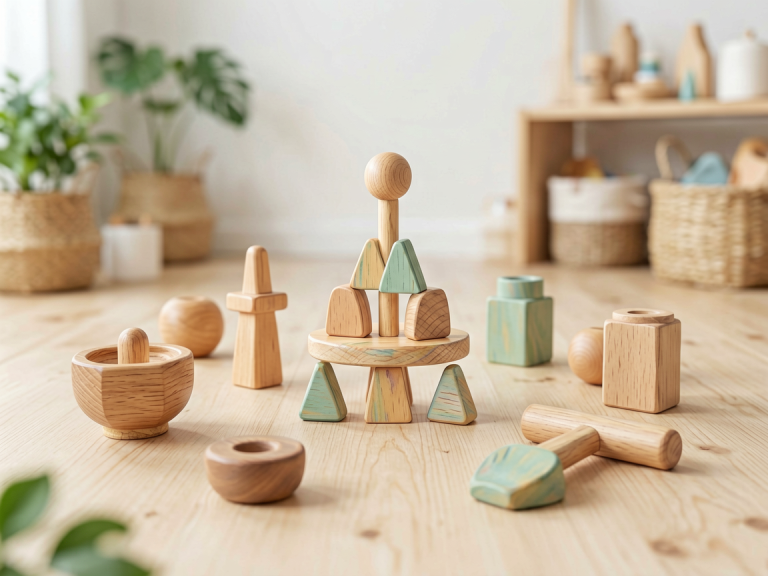
Wooden toys often embody a philosophy of open-ended play. A set of wooden blocks can become a castle, a spaceship, or a farm, depending on the child’s imagination. This simplicity fosters creativity, problem-solving, and spatial reasoning. Wooden puzzles with chunky pieces strengthen hand-eye coordination and grip strength. Stacking rings, shape sorters, and train sets teach early math concepts like size, order, and balance. The natural texture and weight of wood provide rich sensory feedback—children feel the grain, the warmth, and the resistance, which can be more grounding than the uniform coolness of plastic. Moreover, wooden toys tend to be quieter than plastic ones (no beeping, clicking, or whirring), which some research suggests can help children focus and reduce sensory overload.
Plastic Toys: Interactive Features and Modern Learning
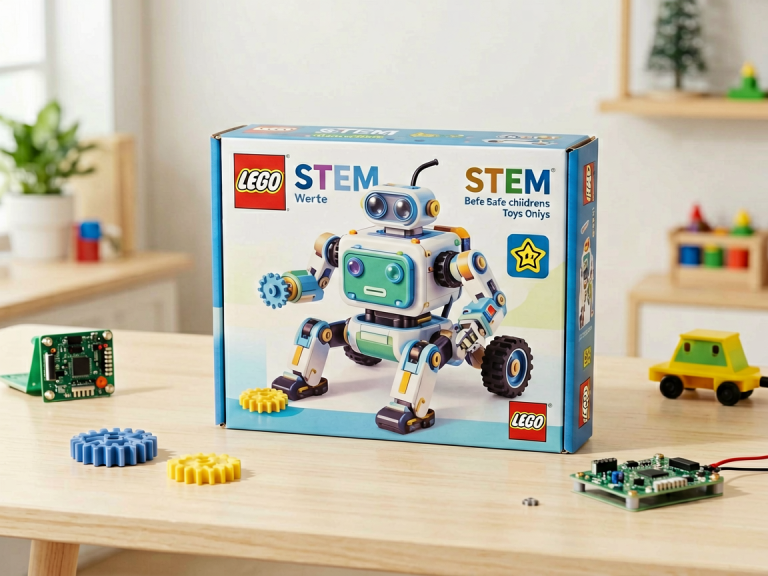
Plastic toys excel in delivering interactive and technologically enhanced play. Electronic plastic toys can teach letters, numbers, and songs through lights and sounds, appealing to children who respond well to auditory and visual stimuli. Construction sets like LEGO (made of ABS plastic) are legendary for developing engineering thinking, patience, and creativity. Plastic toy figures, vehicles, and playsets often include intricate details that spark storytelling and role-play. However, a potential drawback is that many plastic toys are designed for a single, prescribed function—press a button, and the toy does the work. This can limit the child’s active participation and imagination. The battery-operated features also fade quickly; once the batteries die or the novelty wears off, the toy may lose its appeal. For maximum developmental benefit, plastic toys that require assembly, manipulation, or creative combination (like magnetic tiles or building bricks) are far superior to those that merely entertain.
—
Durability and Longevity
Wooden Toys: Heirloom Quality with Proper Care
A well-made wooden toy can outlast a child’s entire childhood and even serve the next generation. Solid wood resists cracking and chipping far better than plastic under normal use. Wooden toys can be easily repaired—a coat of sanding and a dab of non-toxic glue can restore a broken piece. They do not fade in sunlight as quickly as some plastics, and they do not become brittle with age. The main enemies of wood are moisture and extreme dryness, so storing them in a stable environment is important. For families who value heirloom toys, wooden pieces from brands like Grimm’s, PlanToys, or Melissa & Doug are built to last decades.
Plastic Toys: Vulnerable to Breakage and Obsolescence
Plastic toys, particularly those with thin walls and snap-together parts, are prone to cracking, especially after repeated drops or rough play. Screw posts can strip, hinges can snap, and electronic components can fail. Even sturdy LEGO bricks can become scratched or lose clutch power over time. Moreover, plastic toys with licensed characters (e.g., from movies or TV shows) often become “outdated” as the child’s interests shift, making them less likely to be treasured long-term. The initial low cost may seem economical, but if a plastic toy must be replaced every few months, the total expense and waste can exceed that of a single durable wooden toy.
—
Cost and Accessibility
Wooden Toys: Higher Upfront Investment
High-quality wooden toys are generally more expensive than their plastic counterparts. A simple wooden baby gym might cost $50–$80, whereas a plastic equivalent could be $20–$30. The reasons include the cost of responsibly sourced wood, hand-finishing, non-toxic paints, and smaller production runs. For budget-conscious families, this can be a barrier. However, if considered over time, wooden toys may offer better value per use because they last longer and can be resold or gifted onward. Additionally, many wooden toys are available second-hand, which is both economical and eco-friendly.
Plastic Toys: Wide Range of Price Points
Plastic toys can be found at every price point, from dollar-store trinkets to premium brands like LEGO or Fisher-Price. The affordability of plastic makes it easy to give multiple gifts or to purchase toys that match a specific phase of development (e.g., a teething rattle for a 6-month-old that will only be used for a few months). However, the hidden cost lies in environmental impact and potential health risks from cheaper materials. For a birthday gift that is meant to be special, well-made plastic toys from reputable brands are a safer middle ground than no-name imports.
—
Aesthetic and Emotional Appeal
Wooden Toys: Timeless Beauty and Warmth
There is an undeniable charm in the simple, organic lines of a wooden toy. The natural grain, the soft earth tones, and the smooth, tactile surface invite touch and contemplation. Wooden toys often feature minimalist designs that do not overwhelm a child’s senses but rather encourage calm, focused play. Many adults report feeling nostalgic when handling such toys, connecting them to a slower, more intentional era. They also complement modern, natural home décor, making them visually pleasing even when left out in the living room.
Plastic Toys: Vibrant and Engaging
Plastic toys are masters of color and novelty. Their bright, saturated hues are designed to catch a child’s eye and hold their attention. They can mimic real-world objects with astonishing detail—a plastic fire truck with lights, sirens, and movable ladders is thrilling for a preschooler. The emotional appeal is immediate and often tied to popular culture (e.g., a Paw Patrol or Mickey Mouse plastic figurine). For a child who adores a specific character, a plastic toy can be the most cherished gift of all. The downside is that such appeal can be fleeting, as the toy’s value is tied to external trends rather than the child’s internal imagination.
—
Recommendations for Birthday Gift Givers
After weighing all these factors, the “best” choice depends on the specific child, the parents’ values, and the context of the gift. Here are practical guidelines:
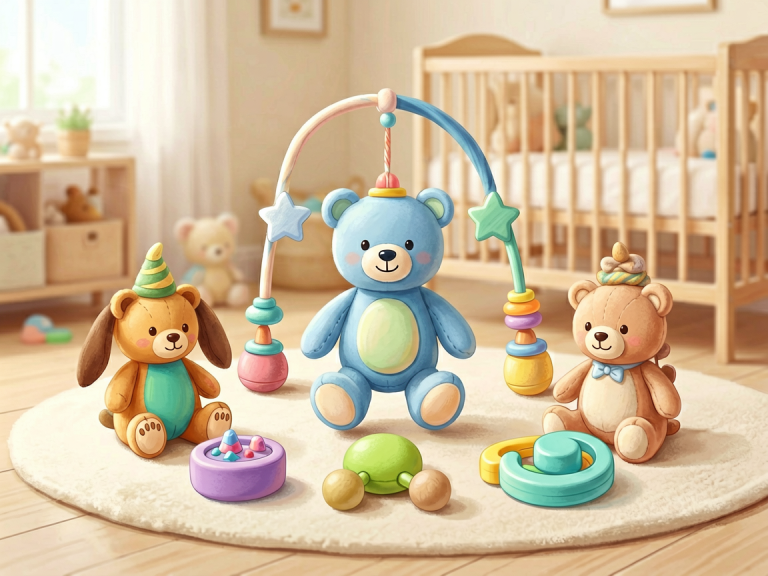
- For infants and toddlers (0–2 years): Prioritize wooden toys. They are safer, nontoxic, and excellent for sensory and motor development. Choose large blocks, stacking rings, and wooden rattles. Avoid plastic toys with small parts or harsh sounds.
- For preschoolers (3–5 years): A mix works well. Wooden train sets, dollhouses, and puzzles build problem-solving skills. Plastic construction sets (like DUPLO) and interactive toys can be added for variety. Ensure any electronic toys have volume control and a parent-friendly off switch.
- For school-age children (6+): Consider the child’s interests. LEGO, plastic engineering kits, and board games with plastic components can be highly educational. Wooden craft sets, marble runs, and high-quality wooden board games offer a nice balance. If the child loves nature and quiet play, wooden toys may be especially appreciated.
- For eco-conscious families: Choose FSC-certified wooden toys or plastic toys made from recycled materials. Avoid excessive packaging. Second-hand toys—wooden or plastic—are a wonderful, sustainable option.
- For the special occasion: A beautiful, handcrafted wooden toy can become a keepsake, while a well-designed plastic toy that aligns with the child’s current passion can bring immediate joy. The thought and intention behind the gift matter most.
—
Conclusion
The wooden vs. plastic debate is not about declaring a universal winner; it is about understanding the trade-offs and matching the gift to the child’s stage, personality, and environment. Wooden toys offer durability, safety, and timeless creativity, but at a higher cost and with less interactive stimulation. Plastic toys provide affordability, color, and modern features, yet pose environmental and health concerns if not chosen carefully. By staying informed and mindful, you can select a birthday gift that not only delights the child today but also supports their growth and the planet for tomorrow. Whether you choose a smooth wooden block or a snapping plastic gear, the most important ingredient is your love and thoughtfulness—and that is the one thing no toy can replace.